Appliances · Buying Guide
Best Rice Cooker Options for Reheating Rice Safely

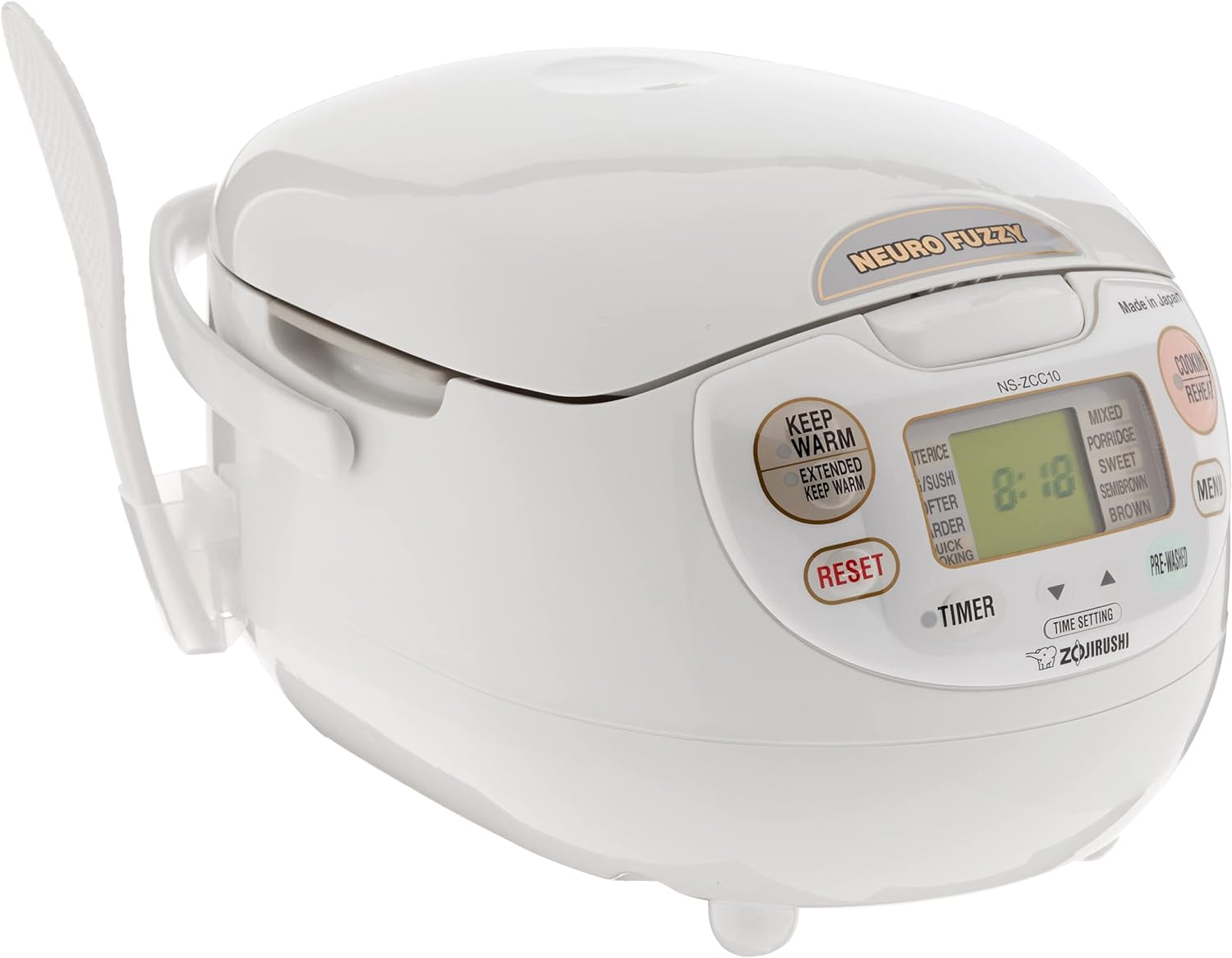
Reheating leftover grains requires steady heat control to restore proper texture without drying out the food. Modern kitchen appliances integrate specialized warming cycles and dedicated reheat functions designed specifically for this routine task. When you want to bring cold grains back to a piping hot, fluffy state, selecting a machine with automated micro computerized fuzzy logic or direct reheat programs provides consistent results across different grain types, reducing guesswork and preventing uneven temperature spots throughout the pot.
Choosing the right model depends heavily on household size, available countertop dimensions, and your preferred cooking programs. Micom and fuzzy logic technologies help manage internal temperature adjustments automatically during both initial cooking and subsequent warming or reheating cycles. Evaluating physical capacities, power ratings, and included accessories ensures you find an appliance that fits your daily routine while reliably handling everything from morning oats to evening side dishes.
As an Amazon Associate, StacyLaughs earns from qualifying purchases.
Buying guide
Understanding Capacity and Household Needs
Selecting the correct capacity ensures your appliance matches your daily cooking volume without taking up unnecessary space. Smaller households often thrive with compact three-cup models, while larger families benefit from ten-cup variants that easily handle bulk preparation. Matching your typical serving size prevents overflowing pots and ensures efficient heat distribution during the entire reheating process.
Consider how much leftover storage and batch cooking you require on a regular basis. Purchasing a unit that is too large wastes valuable counter space, whereas an undersized pot forces you to cook in multiple batches. Evaluating these physical constraints beforehand guarantees long-term satisfaction with your kitchen appliance choice.
Evaluating Fuzzy Logic and Temperature Control
Micro computerized fuzzy logic technology transforms how modern kitchen appliances manage internal temperatures. Instead of applying uniform heat blindly, these advanced systems sense moisture levels and adjust cooking parameters dynamically. This internal intelligence prevents scorching and ensures that leftover grains regain their original fluffy texture during dedicated warming cycles without drying out the food surface.
Advanced programming significantly reduces the need for constant manual monitoring by adapting to different grain varieties automatically. Whether you are warming white rice, brown rice, or complex mixed grains, computerized regulation maintains optimal heat levels safely and consistently over extended periods of time.
Assessing Inner Pot Materials and Durability
The construction material of the inner pot directly influences heat retention, thermal distribution, and overall product longevity. Nonstick surfaces prevent starches from adhering tightly, making food retrieval effortless and simplifying routine post-cooking cleaning tasks. Units featuring ultra-thick designs or specialized carbon infusions further concentrate heat to improve cooking consistency across diverse grain types and complex recipes.
Ceramic coatings offer another reliable surface alternative, providing smooth nonstick performance while supporting convenient dishwasher-safe maintenance routines for busy home cooks every day. Always inspect the inner pot specifications carefully to ensure the chosen material completely aligns with your preferred cleaning habits, storage limits, and daily durability expectations.
Power Ratings and Electrical Specifications
Electrical wattage and voltage ratings dictate how quickly your appliance heats up and how much electrical power it draws from standard household circuits. Higher wattage models frequently support rapid cooking modes, whereas standard wattages balance energy consumption efficiently during extended warming cycles. Verifying these electrical details prevents circuit overloads in busy kitchens operating multiple running appliances simultaneously throughout the day.
Always match the appliance voltage requirements to your local power supply specifications carefully before initial operation. Reviewing these technical parameters ensures safe daily use and prevents unexpected compatibility issues when plugging your device into standard kitchen wall outlets for the very first time.
Maintenance and Cleaning Requirements
Keeping your rice cooker clean preserves its functional performance and extends the lifespan of internal heating components over extended time periods. Modern units often feature dishwasher-safe inner pots and removable accessories, minimizing manual scrubbing effort after busy mealtimes. Others require careful hand washing or gentle damp cloth wiping to protect delicate exterior finishes and specialized nonstick coatings.
Following manufacturer maintenance guidelines strictly prevents accidental damage and ensures hygienic food preparation over years of regular heavy use. Evaluating these cleaning routines beforehand helps you choose a machine that matches your lifestyle and willingness to perform manual upkeep every single week without frustration.
Included Accessories and Versatile Settings
Included accessories such as dedicated measuring cups, serving spatulas, and stainless steel steamer baskets add immediate practical value and expand your daily cooking capabilities significantly in home kitchens. Using the exact measuring cup supplied by the manufacturer ensures accurate grain-to-water ratios, preventing texture issues during both initial cooking and subsequent reheating cycles.
Diverse program settings ranging from slow cooking and porridge to cake baking provide incredible kitchen versatility far beyond basic grain preparation routines. Selecting an appliance with multi-menu options allows you to experiment freely with varied recipes while maintaining reliable everyday performance across multiple meal types throughout the busy week without complicated adjustments.
Frequently asked questions
Can I use a rice cooker specifically to reheat cold leftover rice?
Yes, many modern appliances feature a dedicated reheating cycle or automatic keep-warm functions designed to bring cold grains back to a serving temperature. When using these features, the internal heating system gently warms the food without scorching the bottom of the pot. It helps restore moisture and fluffiness, making it convenient to enjoy leftovers without needing a stovetop or microwave. Always check your specific user manual for recommended instructions on reheating different grain types effectively.
Why must I use the measuring cup that comes with the product?
Manufacturers include a specific measuring cup because rice cooker capacities and liquid ratios are calibrated to that exact volumetric size rather than standard kitchen measuring units. A traditional US cup differs slightly in volume from standard rice cooker cups, which typically measure around six ounces or one hundred eighty milliliters. Using the provided cup ensures that your water-to-grain ratio remains precise, preventing undercooked or overly mushy results during both initial cooking and subsequent warming cycles.
What is the difference between a standard rice cooker and a fuzzy logic model?
Standard rice cookers generally apply uniform heat until a thermostat detects that liquid has evaporated, whereas fuzzy logic models utilize micro computerized intelligence to adjust temperature and cooking time dynamically. These intelligent systems sense internal moisture levels throughout the process, ensuring more consistent and fluffy results across various grain types. Fuzzy logic technology also excels at managing delicate temperature adjustments during automated warming and reheating cycles, reducing the likelihood of burned spots.
How should I clean my rice cooker after cooking and reheating meals?
Cleaning requirements vary depending on the specific model and materials used in its construction. Some appliances feature dishwasher-safe inner pots and removable accessories that simplify post-cooking cleanup significantly. Other units require gentle hand washing or wiping down the exterior and interior surfaces with a damp cloth to protect specialized nonstick coatings. Always consult the manufacturer care instructions included with your specific device to maintain proper hygiene and avoid damaging delicate parts.
Can I cook other grains or dishes besides white rice in these cookers?
Most modern multi-function rice cookers offer extensive versatility beyond basic white rice preparation. Depending on the specific model features, you can often prepare brown rice, quinoa, oatmeal, mixed grains, slow-cooked soups, steamed vegetables, and even baked cakes. Programable settings automatically adjust internal heating parameters to accommodate the unique needs of different foods, expanding your daily meal options while using a single countertop appliance for multiple cooking tasks.