Appliances · Buying Guide
Best Rice Cooker Choices for Everyday Kitchens
Choosing the right appliance for preparing grains can greatly simplify your daily kitchen routine. Different models offer various capacities, heating methods, and digital functions to match your household needs without requiring complicated manual adjustments. Selecting an appropriate cooker ensures that your side dishes and main meals turn out consistently every time you cook, freeing up your attention for other kitchen tasks while the appliance manages the heating cycle automatically.
Evaluating options based on physical dimensions, inner pot materials, and preset cooking menus helps ensure you select a device that fits your exact cooking style and countertop space. A clear understanding of these built-in features guides your purchasing decision effectively, allowing you to compare high-capacity multi-cookers with compact single-batch units based purely on practical suitability and your regular grain consumption habits.
As an Amazon Associate, StacyLaughs earns from qualifying purchases.
Buying guide
Understanding Capacity Requirements
Assessing your household size is the primary step when selecting a grain cooker for your kitchen. Models range from compact two-quart units designed for modest daily portions up to large ten-cup appliances built for busy families. Matching the capacity to your typical meal size prevents food waste and ensures you never run short of side dishes during dinner preparation or family gatherings.
Keep in mind that manufacturers typically measure capacity in uncooked cups or quarts, which doubles or triples once the grains absorb water and cook fully. Consider how often you host guests, prepare lunches ahead of time, or cook multiple ingredients together when choosing between small single-batch variants and high-capacity multi-cookers.
Evaluating Heating Technologies and Fuzzy Logic
Modern cookers employ different heating mechanisms, ranging from traditional bottom-heating plates to advanced three-dimensional thermal systems that distribute warmth evenly. Units featuring fuzzy logic technology automatically monitor and adjust temperature variables throughout the entire cooking cycle. This computerized oversight compensates for minor variations in water temperature and grain amounts without requiring manual intervention from the cook.
Choosing a model with intelligent temperature sensing helps eliminate guesswork, ensuring that white rice, brown rice, and mixed grains achieve fluffy textures consistently without burning or remaining undercooked at the center. While simpler thermal plates offer straightforward operation, computerized fuzzy logic systems provide superior texture regulation for diverse grain types and complex recipes.
Comparing Inner Pot Materials and Coatings
The internal cooking pot plays a crucial role in heat distribution and food release during operation. Many modern appliances feature specialized non-stick coatings that prevent grains from adhering to the surface, simplifying the serving process and subsequent cleanup. Ceramic coatings provide an alternative durable surface that resists scratching while maintaining reliable non-stick properties for everyday family meals.
Pot thickness also varies across models, with thicker walled vessels retaining heat more effectively to support uniform cooking results across multiple grain types. Reviewing the material construction helps you select a pot that withstands daily use, protects against wear, and fits your preferred cleaning routine whether hand-washing or running automated dishwasher cycles.
Maintenance and Cleaning Considerations
Keeping your appliance clean ensures long-term reliability and hygienic food preparation across all your daily kitchen tasks. Check whether the inner pot, steamer basket, measuring cups, and associated accessories are rated for automated dishwasher use or require careful hand-washing with mild soap and soft cloths. Removable steam vents and inner lid components also simplify routine maintenance tasks significantly.
Following manufacturer maintenance guidelines protects specialized non-stick and ceramic coatings from premature wear and scratching over years of frequent use in the kitchen. Selecting a model with easily detachable parts minimizes the physical effort required to eliminate stubborn starch buildup and food residue after preparing sticky grains, morning oatmeal, or rich slow-cooked soups.
Preset Functions and Control Panels
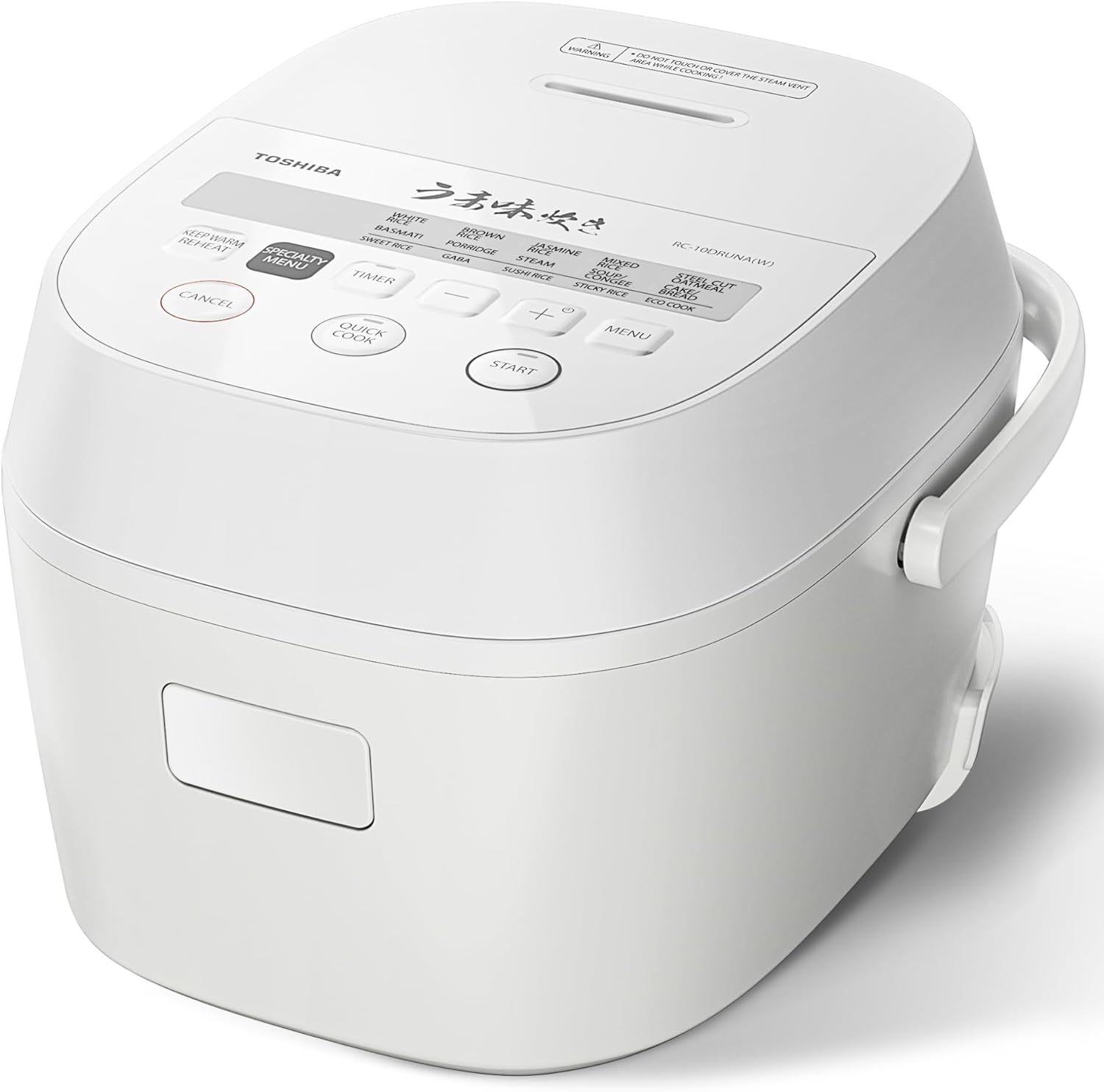
Modern electric cookers offer diverse preset functions that extend far beyond basic white rice preparation for family meals. Advanced units feature dedicated programs for brown rice, quinoa, oatmeal, steaming, slow cooking, and even baking cakes or boiling eggs. Evaluating these presets helps determine if an appliance matches your specific dietary preferences and varied weekly cooking habits.
Control panel layouts range from simple mechanical switches to clear digital LED or LCD screens featuring intuitive one-touch programming options. Features like programmable delay timers and automatic keep-warm modes add valuable scheduling flexibility, allowing you to time meals accurately and keep food warm for hours without requiring constant manual oversight.
Included Accessories and Versatility
The accessories bundled with your cooker can significantly enhance its everyday utility in the busy kitchen environment. Many models include specialized measuring cups designed specifically for correct grain-to-water ratios, serving spoons that protect delicate non-stick surfaces, and sturdy stainless steel or plastic steaming baskets for comprehensive multi-part meal preparation routines.
These versatile steaming baskets enable you to cook fresh vegetables, fish, or poultry simultaneously above the boiling grains, effectively transforming a single-purpose appliance into a multi-functional meal station for busy families. Reviewing included extras ensures you have everything necessary right out of the box without needing to purchase separate utensils or specialized cookware components separately.
Frequently asked questions
How do I choose the correct rice cooker capacity for my household?
Choosing the correct capacity depends heavily on how many people you regularly cook for and whether you prepare meals in advance. Compact models holding two to four cups of uncooked grains are ideal for single individuals or couples who want modest side dishes without cluttering their counters. For larger families or individuals who frequently entertain guests, high-capacity models yielding five-and-a-half to ten cups of uncooked rice provide the necessary volume to feed multiple people comfortably in a single batch.
What is fuzzy logic technology in rice cookers?
Fuzzy logic technology refers to a computerized micro-chip system built into advanced cookers that monitors and adjusts temperature and heating duration automatically throughout the cooking process. Unlike basic thermal plates that apply constant heat regardless of conditions, fuzzy logic systems compensate for minor fluctuations in water volume and grain temperature. This intelligent oversight ensures that various types of white rice, brown rice, and mixed grains achieve evenly fluffy textures without burning or remaining undercooked at the center.
Are inner pots dishwasher safe?
Dishwasher safety varies depending on the specific model and manufacturer instructions. Some cookers feature fully dishwasher-safe inner pots and accessories, making cleanup straightforward after meals. Other models, particularly those featuring specialized ceramic or non-stick coatings, explicitly require manual hand-washing with mild soap and a soft cloth to protect the surface coating from premature wear and scratching. Always consult the specific product manual provided by the manufacturer before placing any components into an automated dishwasher cycle.
Can rice cookers prepare foods other than rice?
Yes, many electric cookers are designed as multi-functional appliances that handle a wide variety of dishes beyond standard rice. Depending on the specific model's preset programs, you can use a cooker to prepare quinoa, oats, slow-cooked soups, steamed vegetables, fish, stews, and even baked cakes. Built-in steaming baskets allow users to steam proteins and vegetables simultaneously while grains cook below, adding substantial versatility to everyday meal preparation routines without requiring extra cookware.
How does the keep-warm function work?
The automatic keep-warm function activates as soon as the primary cooking cycle finishes, transitioning the heating element to a lower temperature designed to maintain serving heat without continuing to cook or burn the grains. Many models sustain this warm state for twelve to twenty-four hours, ensuring your food stays ready to serve whenever you sit down to eat. This feature eliminates the need for immediate serving and helps keep side dishes at an optimal temperature throughout meal times.