Appliances · Buying Guide
Best Rice Cooker Inner Pot Replacements for Your Kitchen
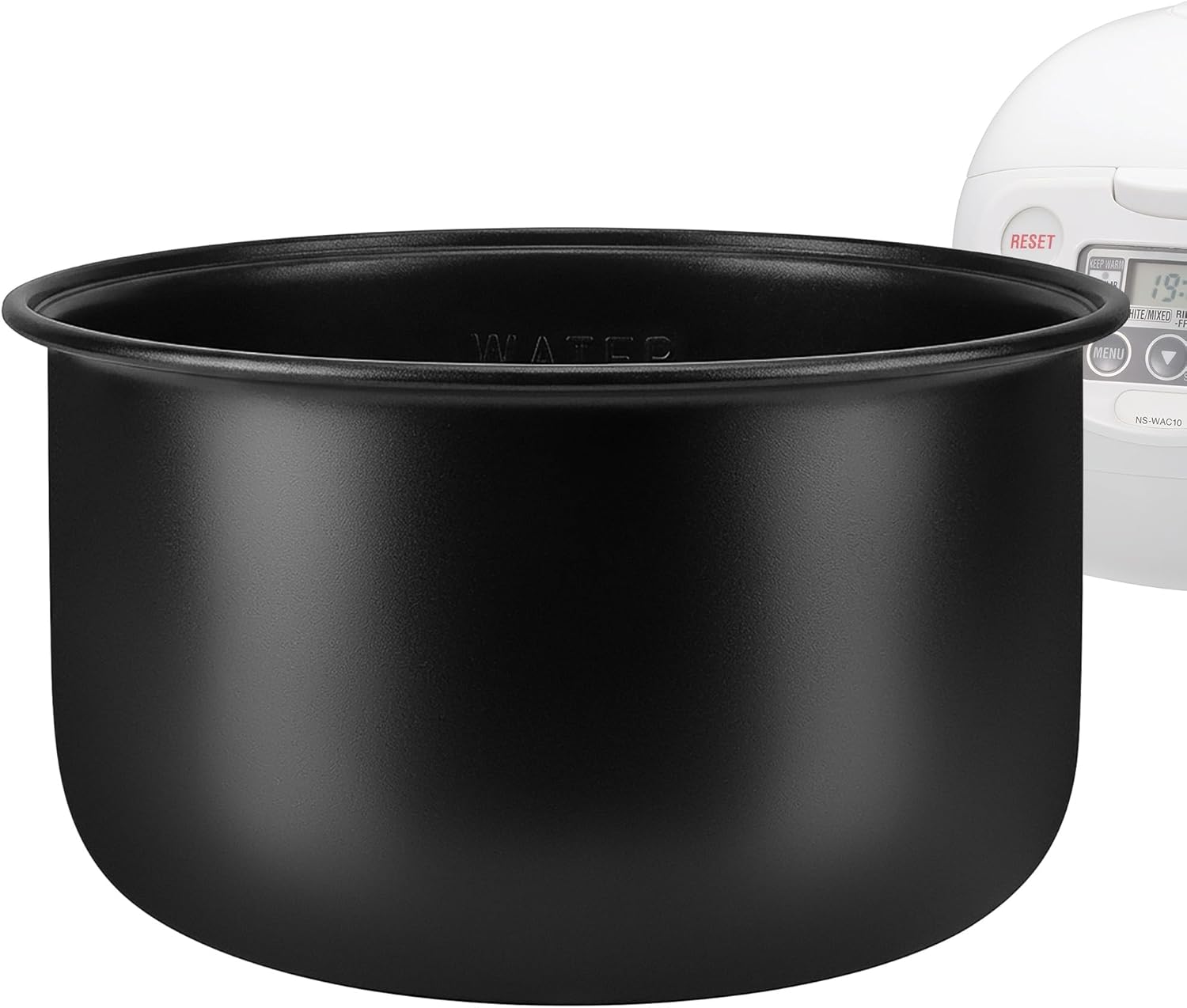
Finding the right replacement rice cooker inner pot can breathe new life into a well-loved kitchen appliance without forcing you to buy an entirely new machine. When your original cooking bowl eventually shows scratches, sticking, or everyday wear, swapping it out for a compatible insert quickly restores your daily meal preparation routine for grains, soups, and stews.
Different cookers require precise matches in capacity, diameter, and depth to ensure proper contact with the internal heating element. Carefully verifying your specific appliance model helps you select a dependable aluminum or stainless steel bowl tailored to your exact kitchen setup, keeping your favorite multi-cooker running smoothly for upcoming family meals.
As an Amazon Associate, StacyLaughs earns from qualifying purchases.
Buying guide
Model Compatibility and Exact Dimensions
Checking your appliance manufacturer and full model number is the most crucial step when selecting a replacement inner pot. Rice cookers often feature subtle variations in base width, rim shape, and overall depth that prevent cross-brand interchangeability. Even pots designed for the same brand can differ significantly between product lines. Always consult the manufacturer specifications before ordering any bowl.
Measuring your existing pot with a ruler helps confirm that depth and diameter match the intended replacement insert. An improper fit can leave gaps between the bowl and the heating plate, resulting in unevenly cooked rice or extended cooking times. Taking a few extra minutes to verify measurements protects your investment and ensures seamless appliance operation.
Material Selection: Aluminum Versus Stainless Steel
Choosing between aluminum and stainless steel depends heavily on your daily cooking habits and cleaning preferences. Aluminum models generally feature nonstick coatings that prevent delicate grains from adhering to the bottom surface. These pots distribute heat quickly and uniformly across the base, making them popular for standard white rice preparation and quick cleanup routines.
Stainless steel alternatives provide a robust, uncoated cooking surface that resists scratching, denting, and warping over years of high-temperature use. While they lack chemical nonstick layers, they offer long-term durability and peace of mind regarding flaking coatings. Consider whether you prefer the effortless food release of aluminum or the rugged longevity of steel.
Capacity Requirements for Household Meals
Selecting the correct capacity ensures your replacement pot matches your household meal preparation volumes accurately. Smaller 5.5-cup options easily accommodate standard family dinners, side dishes, and everyday grain batches without taking up excessive storage space. These sizes align closely with common countertop multi-cookers found in many residential kitchens.
Larger 10-cup and 5-quart choices cater to bigger families, hosting events, or meal-prepping enthusiasts who routinely cook in much higher volumes. Matching the exact capacity to your cooker base prevents messy overflows and ensures proper heat transfer during long simmering cycles. Evaluate your typical serving sizes and recipe types carefully before choosing a compact or high-capacity replacement bowl.
Cleaning and Maintenance Preferences
Maintenance routines vary significantly depending on whether your replacement inner pot features a nonstick coating or an uncoated metal build. Nonstick aluminum bowls typically require gentle hand washing with soft sponges to preserve the protective layer against scratching and peeling. Avoiding abrasive scrubbers extends the useful life of these coated cooking surfaces.
Stainless steel alternatives frequently offer dishwasher-safe convenience, allowing you to place the heavy-duty bowl directly onto the top rack after meals. While stainless steel withstands vigorous scrubbing, stubborn starchy residues may occasionally require a brief ten-minute soak in warm soapy water. Balance your willingness to hand wash against your preference for automated cleanup.
Coating Safety and Material Composition
Understanding the material composition of your replacement pot gives you peace of mind during everyday meal preparation. Many modern nonstick aluminum inserts are manufactured completely free of harmful chemicals such as BPA, PFOA, and PFOS. These safety standards ensure that your cooking surface remains inert and reliable over regular use.
Alternatively, food-grade 304 stainless steel offers a completely coating-free cooking environment, eliminating worries about flaking or peeling layers entirely over years of service. This pure metal approach appeals to cooks who prioritize long-lasting durability over chemical nonstick convenience. Reviewing product material disclosures helps you select an insert that closely aligns with your specific household preferences.
Versatility Beyond Standard Rice Cooking
Modern replacement inner pots often support much more than just basic white or brown rice preparation across daily meal routines. A durable bowl allows you to simmer hearty soups, cook savory stews, steam fresh vegetables, and prepare morning oatmeal using your appliance's existing menu settings. Choosing a versatile pot unlocks the full cooking potential of your multi-cooker.
Consider how well the replacement material handles acidic ingredients like tomatoes or broths during long simmering cycles. Stainless steel naturally resists corrosion from diverse recipes, while aluminum options provide even heat for grains and porridges. Selecting an adaptable insert ensures your appliance transitions smoothly between side dishes and main courses.
Frequently asked questions
Can I use any 5.5-cup inner pot in my branded rice cooker?
No, you should never buy a replacement pot based solely on capacity or general brand name alone. Different rice cooker models feature unique base diameters, rim shapes, and overall heights that dictate how the bowl sits on the heating element. Even pots made by the same manufacturer can vary significantly between product lines. Always verify your complete appliance model number before ordering an insert to ensure a secure, functional fit inside your specific machine housing.
Are stainless steel inner pots dishwasher safe?
Many stainless steel replacement inner pots are fully dishwasher safe, allowing you to place them directly onto the top rack for easy cleanup after family meals. Their durable 304 stainless steel construction resists rust, warping, and high temperatures without degrading. However, you should always check the specific product care instructions provided by the manufacturer. While metal pots withstand vigorous cleaning, soaking stubborn starchy rice residue in warm soapy water beforehand can make manual or automated washing even easier.
How do I prevent rice from sticking to an uncoated stainless steel pot?
Uncoated stainless steel pots lack chemical nonstick layers, which means starchy foods like white rice can sometimes adhere to the bottom surface during cooking cycles. To minimize sticking, you can soak the pot in warm soapy water for about ten minutes before cleaning, allowing residue to loosen naturally. Additionally, ensuring your cooker's heating plate makes direct contact with the flat bottom of the pot helps promote even cooking and reduces burnt spots.
What are the benefits of choosing an aluminum non-stick replacement pot?
Aluminum non-stick replacement pots offer excellent heat distribution characteristics that help cook grains quickly and evenly across the base. The non-stick coating prevents starchy foods from adhering firmly to the interior, making everyday hand washing much simpler and faster. Furthermore, many quality non-stick inserts are manufactured without harmful chemicals like BPA, PFOA, or PFOS, providing a safe cooking surface for your daily meals while breathing new life into your worn-out appliance.
Can I cook soups and stews in a rice cooker inner pot?
Yes, many replacement inner pots are designed to support versatile meal preparation beyond simple rice, including hearty soups, stews, quinoa, oatmeal, and steamed vegetables. Using your appliance's existing menu settings with a compatible replacement bowl expands your daily cooking options. Whether you choose aluminum or stainless steel, a sturdy insert lets you transition smoothly between preparing grain side dishes and simmering warm, comforting main courses for your household.