Appliances · Buying Guide
Best Rice Cooker Reddit Recommendations for Everyday Kitchens
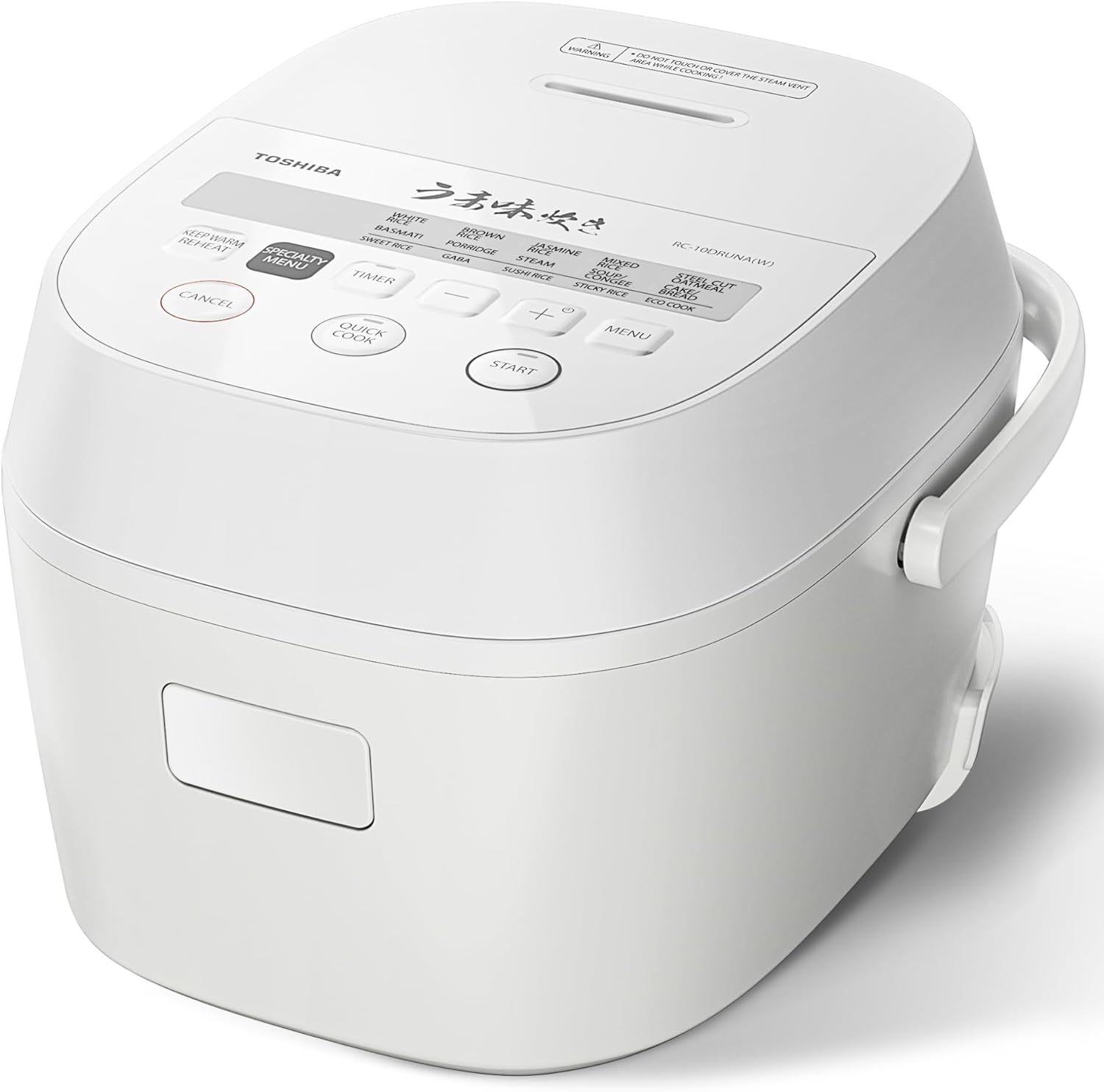
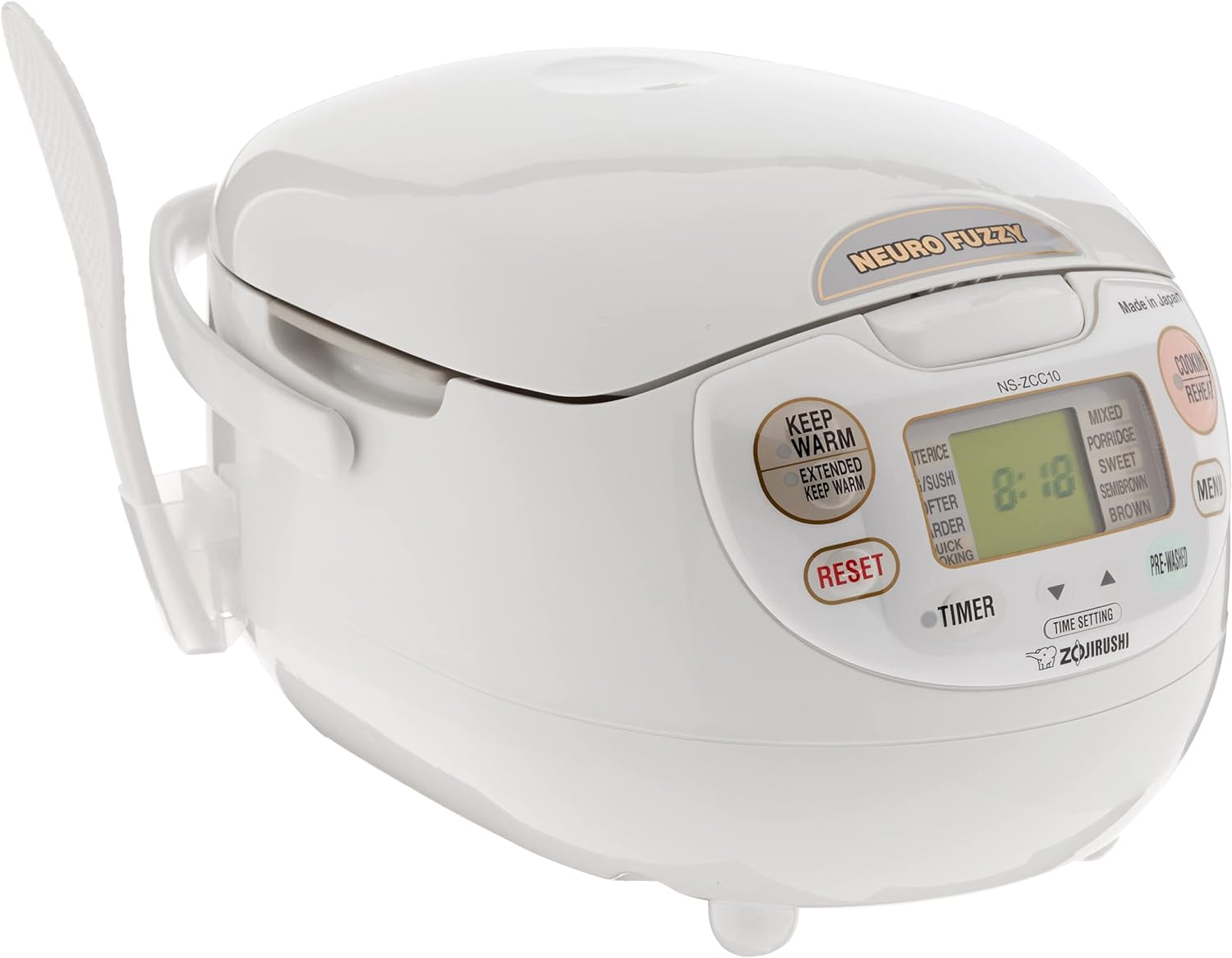
Navigating online discussions for reliable kitchen hardware often guides buyers toward specific countertop appliances designed to simplify daily meal preparation. Community threads frequently highlight practical features like automated mechanical switches, advanced heating technology, and durable inner pots, helping users sort through countless options to find dependable equipment for regular cooking routines and simple family dinners.
Choosing the right model requires carefully weighing your typical serving sizes against the physical footprint on your kitchen counter. From basic one-touch operations to complex computerized logic systems, evaluating these core hardware differences ensures you select a machine tailored precisely to your everyday preferences, dietary needs, and household meal demands.
As an Amazon Associate, StacyLaughs earns from qualifying purchases.
Buying guide
Inner Pot Materials and Coatings
Selecting the right inner pot material significantly impacts your daily cooking experience and long-term hardware durability in the kitchen. Stainless steel options provide a robust, coating-free cooking surface that appeals directly to users wanting to avoid synthetic non-stick layers entirely. These solid metallic pots withstand vigorous daily use and handle kitchen utensils better than coated alternatives.
Conversely, non-stick and ceramic-coated pots prevent starches from adhering tightly, making routine cleanup much faster after cooking sticky white rice or thick porridges. However, coated surfaces demand gentle hand washing with soft sponges to prevent scratching or surface degradation over time. Weighing your personal preference for chemical-free metal against effortless food release guides your ideal material choice.
Capacity and Physical Footprint
Evaluating cooking capacity requires looking beyond simple cup measurements to understand how much food you actually prepare during regular family meals. A standard five-to-six-cup model easily satisfies multi-person households or individuals who enjoy hosting frequent dinners. Matching your typical batch size requirements prevents ingredient overcrowding while ensuring your appliance does not sit completely underutilized on your kitchen counter.
Physical dimensions dictate exactly where the machine lives when not in active cooking use. Taller units featuring complex digital displays require ample vertical clearance under low-hanging wall cabinets, while wider bases demand more counter estate. Measuring your available kitchen space beforehand ensures seamless integration without creating cramped and frustrating workspaces.
Heating Technology and Fuzzy Logic
Modern thermal engineering transforms how grains cook by distributing heat evenly across the entire inner cooking chamber. Advanced computerized fuzzy logic systems monitor internal temperature fluctuations continuously, making minute adjustments in real time to guarantee proper grain texture. This smart automated intelligence eliminates everyday cooking guesswork, preventing burnt bottoms or unevenly cooked centers.
Basic mechanical switches rely on simple thermal cutoffs, which suit straightforward white rice preparations well but lack adaptive capabilities for complex multi-grain recipes. Choosing between basic mechanical thermostats and intelligent microprocessors depends heavily on how adventurous your daily cooking habits are and how much precision you demand from your countertop hardware.
Programmable Presets and Timers
Built-in cooking programs expand an appliance's utility far beyond simple grain preparation, turning a single device into a versatile multi-use kitchen workstation. Specialized settings for porridge, oatmeal, cakes, and brown rice optimize heat profiles for specific ingredients. Meanwhile, digital delay timers let you load ingredients hours ahead and schedule finished meals precisely around your busy daily routine.
Simpler machines omit these advanced digital menus, offering straightforward operation without confusing control screens to navigate. Deciding whether you need specialized multi-cooking modes or a simple one-touch lever depends entirely on your daily meal variety and your personal desire for automated schedule planning throughout the busy week.
Cleaning and Maintenance Requirements
Maintenance demands vary significantly depending on inner pot materials, exterior housing finishes, and removable component designs. Non-stick and ceramic pots require gentle hand washing with mild soap and soft cloths to preserve their delicate protective coatings over time. Traditional stainless steel options withstand tougher cleaning efforts but still require regular manual washing to keep cooking surfaces spotless and sanitary.
Removable steam vents, inner lid components, and built-in condensation collectors simplify deep cleaning by letting you wash trapped starches away easily. Reviewing strict manufacturer care instructions ensures you select an appliance matching your personal willingness to perform necessary routine maintenance tasks after every single cooking session finishes.
Power Ratings and Energy Usage
Electrical ratings dictate how quickly your appliance heats up and how efficiently it manages automated cooking cycles. Units operating between three hundred and four hundred watts offer efficient, low-draw performance ideal for smaller batches or simpler recipes. Higher wattage models deliver faster thermal recovery times when processing dense grains or large family meals efficiently across varied menus.
Balancing wattage requirements with your kitchen electrical setup ensures stable operation without overloading household wall circuits during heavy daily use. Evaluating power specifications helps you understand overall energy consumption while choosing a machine that matches your expected cooking frequency and daily meal batch sizes throughout the entire week.
Frequently asked questions
How do I choose between stainless steel and non-stick inner pots?
Choosing between stainless steel and non-stick inner pots depends entirely on your cleaning preferences and cooking priorities. Stainless steel pots provide a durable, coating-free cooking surface that eliminates worries about synthetic non-stick layers peeling over time. However, they require careful manual washing to remove stubborn starches. Non-stick and ceramic-coated pots offer effortless food release and quick cleanup after cooking sticky grains or porridges, but they demand gentle handling with soft sponges to prevent surface scratching. Consider whether chemical-free durability or effortless food release matters most to your kitchen routine.
What capacity rice cooker do I need for a family of four?
For a typical household of four people, a five-to-six-cup cooked capacity model is generally the most practical choice. This size handles enough grain to feed a family comfortably during dinner without taking up excessive counter space. If you frequently cook larger batches for gatherings or prefer preparing extra portions for weekly meal prep, a five-and-a-half-cup uncooked model provides generous headroom. Conversely, if your household eats smaller portions or has limited counter space, a compact three-cup uncooked version may satisfy your daily requirements more efficiently.
What is fuzzy logic technology in modern rice cookers?
Fuzzy logic technology utilizes micro computerized processors to monitor and adjust temperature and cooking duration dynamically throughout the cycle. Instead of relying on a simple fixed thermostat, a fuzzy logic cooker responds to internal heat changes in real time. This adaptability ensures that different grain varieties, from white rice to brown rice and mixed grains, cook evenly without burning or remaining undercooked. It removes the guesswork from grain preparation, delivering consistent results automatically regardless of minor variations in water or ambient temperature.
Can I cook grains other than rice in these electric cookers?
Yes, many modern electric cookers feature versatile multi-cooking presets designed to handle a wide range of ingredients beyond standard white rice. Models equipped with specialized menus can prepare brown rice, oats, quinoa, porridge, soups, stews, and even baked cakes. However, simpler mechanical models with basic one-touch levers are primarily optimized for basic grain boiling and may require closer manual monitoring if used for alternative recipes. Always review your specific appliance feature set and manufacturer guidelines before experimenting with non-rice dishes.
How should I clean and maintain my electric rice cooker?
Cleaning and maintenance procedures depend heavily on your specific appliance design and manufacturer instructions. Coated inner pots and stainless steel bowls generally require gentle hand washing with mild soap and soft cloths rather than aggressive dishwasher cycles. Many advanced units include removable inner lids, steam vents, and condensation collectors that should be washed regularly to prevent sticky starch buildup and odors. Wiping down the exterior housing with a damp cloth keeps the control panel clean. Always verify care guidelines to preserve your machine longevity.