Appliances · Buying Guide
Best Rice Cooker White Rice Options for Every Kitchen
Finding the right appliance to prepare fluffy white grains can simplify daily meal preparation. Whether you need a compact pot for small side dishes or an advanced digital cooker with programmable timers, choosing a suitable model depends on your daily routine. Different capacities and automated functions help streamline cooking without requiring constant kitchen supervision.
Modern countertop units offer varied heating technologies, from basic one-touch operations to precise fuzzy logic systems. Reviewing the physical dimensions, wattage, and included accessories helps match a machine to your specific household needs. Exploring these features ensures you select a reliable device for preparing daily meals.
As an Amazon Associate, StacyLaughs earns from qualifying purchases.
Buying guide
Capacity and Batch Size
Choosing the correct capacity is essential when selecting an appliance to prepare white grains. Models measure capacity by cups of uncooked or cooked output. Small units holding three cups uncooked suit single individuals or couples making compact side dishes. Larger versions handling 5.5 to 8 cups accommodate growing families. Matching physical size to your household habits prevents wasted food and ensures adequate portions.
Grains double in volume during cooking, meaning a three-cup raw capacity yields six cooked cups. Evaluating available counter space alongside standard batch requirements helps determine the ideal physical footprint. Compact models tuck easily into tight corners, while higher-capacity variants demand broader surfaces. Assessing these dimensional factors guarantees the selected device integrates smoothly into your kitchen layout.
Heating Technology Options
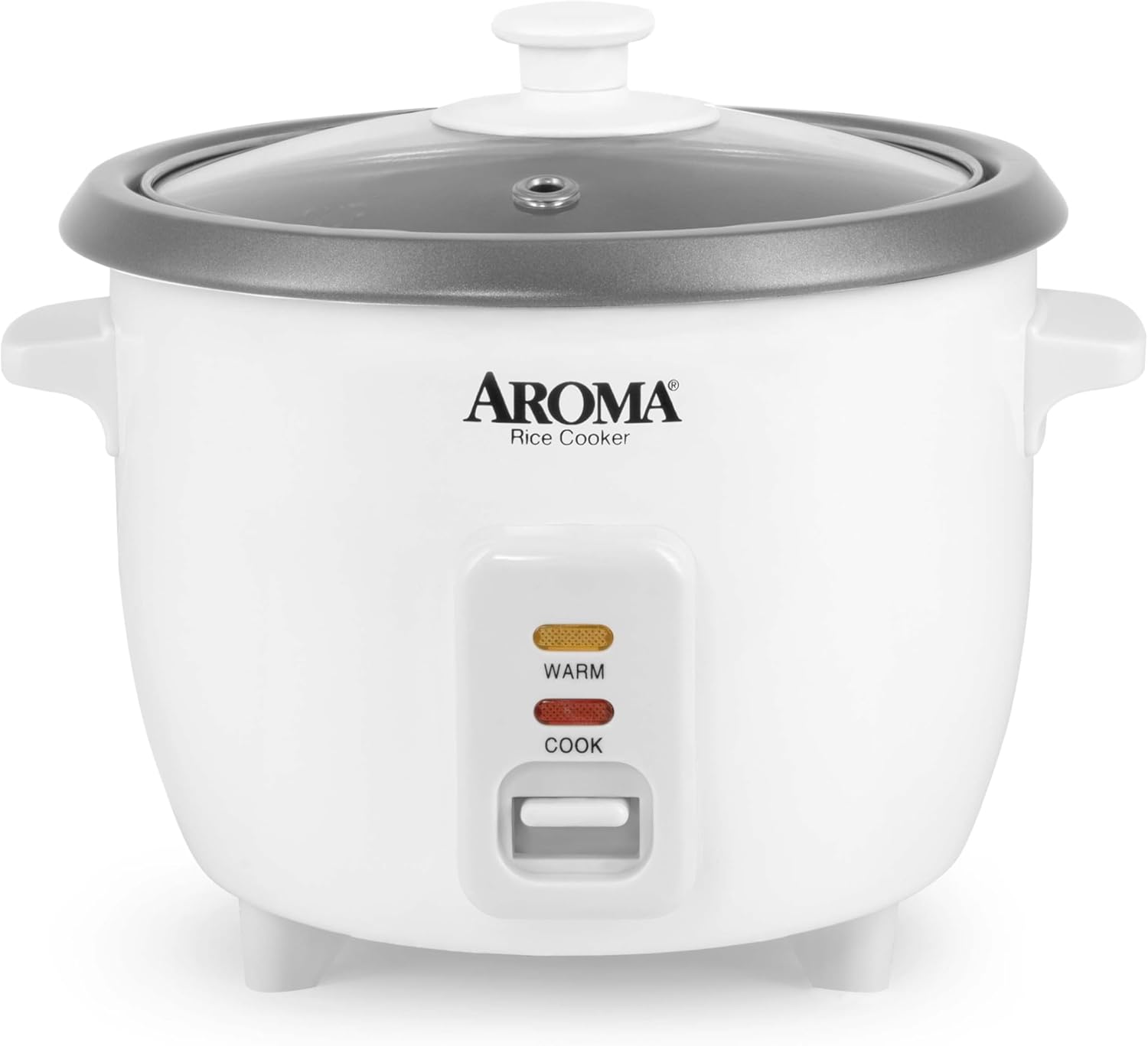
Heating mechanisms significantly influence how evenly your grains cook. Basic models utilize standard bottom heating elements combined with simple one-touch switches. These units offer straightforward operation for everyday white grain preparation without complex programming steps. They heat up quickly and handle basic side dish duties reliably, making them a popular choice for straightforward cooking tasks that require minimal attention from the user.
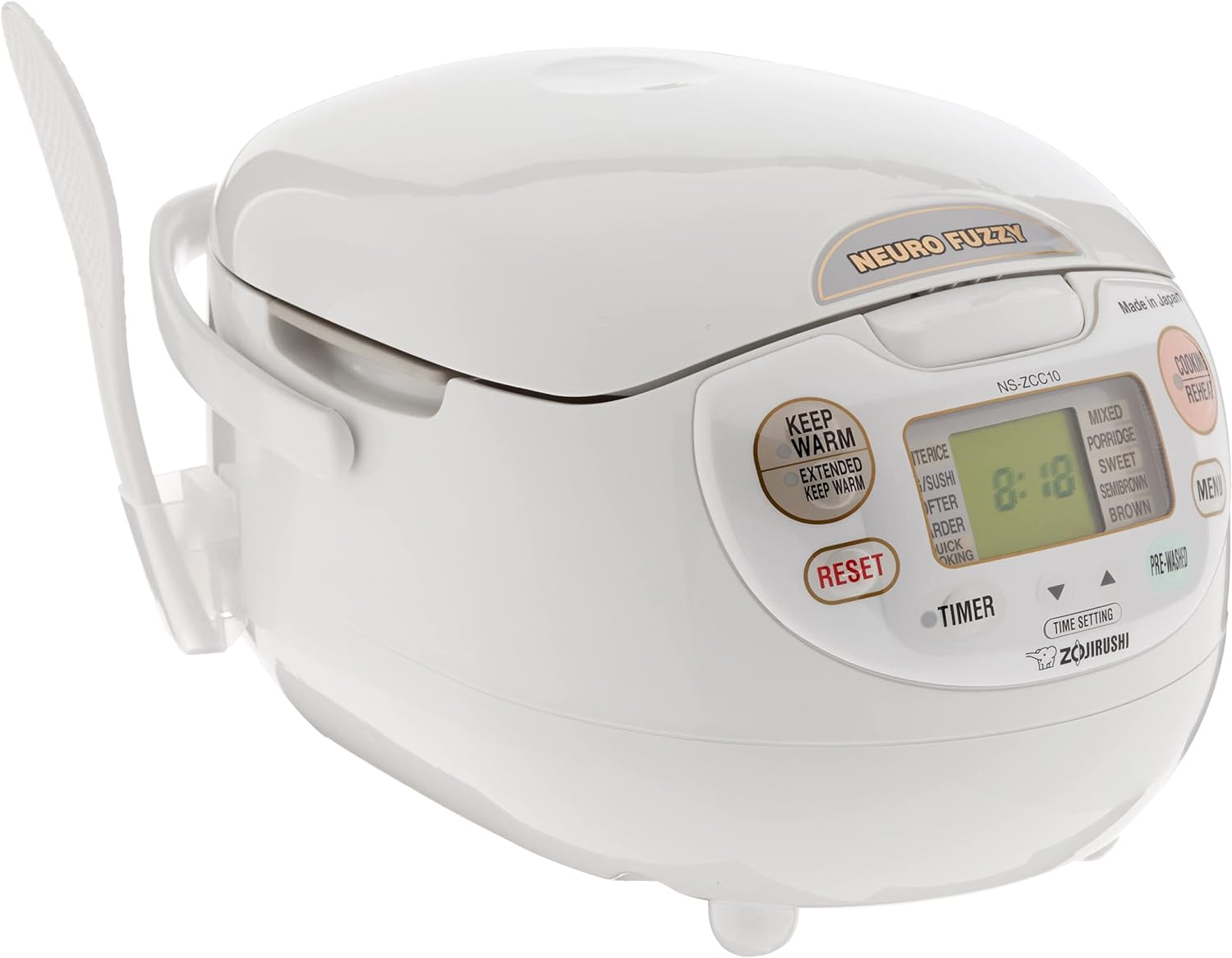
Advanced appliances incorporate fuzzy logic or three-dimensional heating technologies. These computerized systems automatically adjust temperature and cooking duration based on real-time sensor feedback. Such technology prevents scorching and ensures uniform texture whether you prepare white, brown, or mixed grains. Selecting between basic bottom heat and computerized fuzzy logic depends entirely on your desire for automated precision versus simple manual operation.
Inner Pot Materials and Coatings
The internal pot material affects heat retention, durability, and cleaning convenience. Many modern cookers utilize aluminum or steel bases paired with nonstick coatings. Ceramic coatings manufactured without PFAS provide a slick surface for food release and straightforward hand washing. A thicker inner pot wall, such as 3.1 millimeters, enhances heat distribution and durability during daily use, contributing to more consistent culinary results across various recipes.
Maintaining the inner pot requires following specific manufacturer care instructions. Most nonstick and ceramic inner pots mandate hand washing with mild soap and soft cloths rather than automated dishwasher cycles. Protecting the nonstick coating from abrasive utensils preserves its longevity and food release properties. Evaluating pot construction materials helps buyers select a reliable vessel that withstands frequent cooking routines while remaining easy to clean.
Programmable Functions and Timers
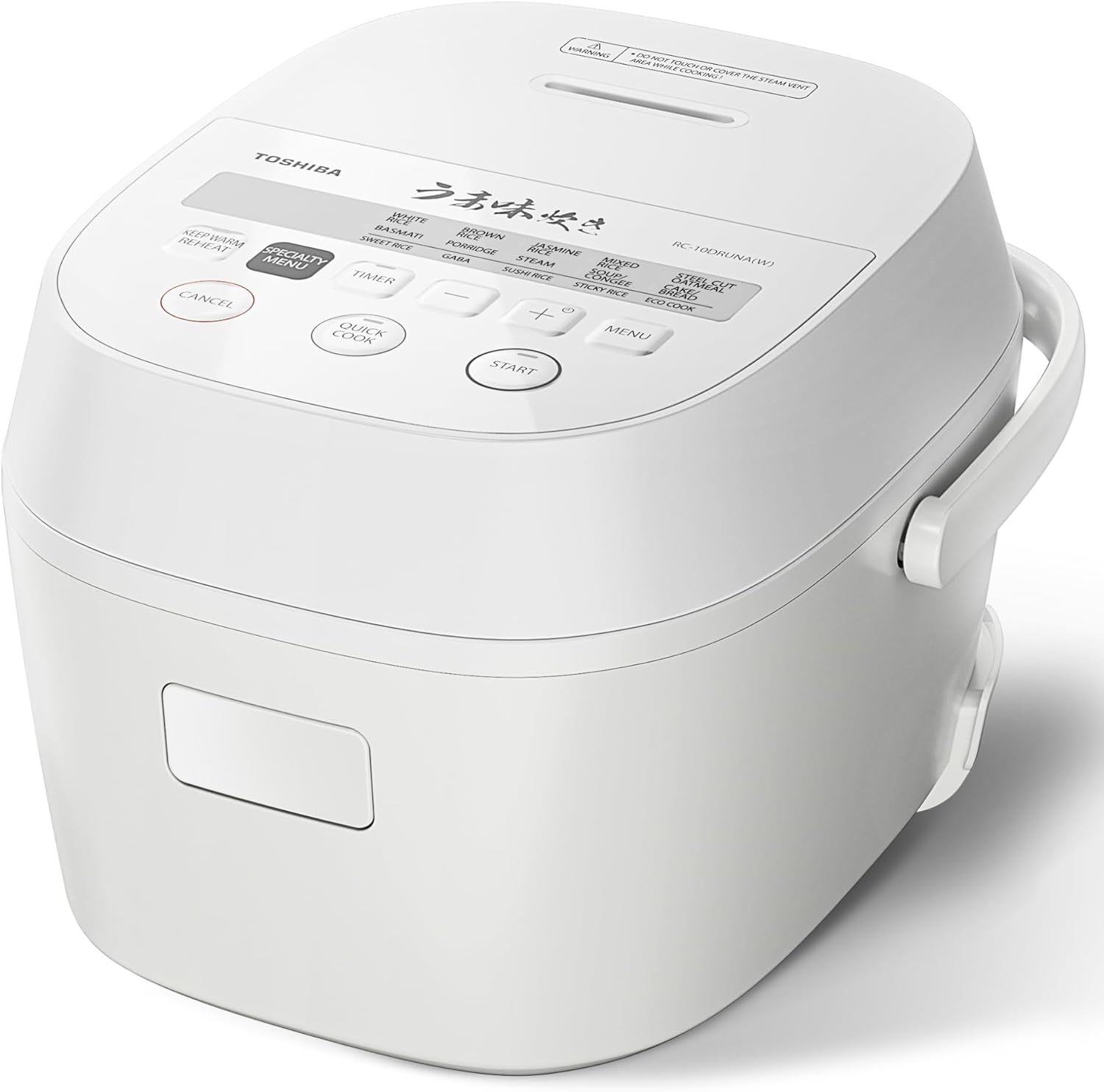
Modern digital appliances offer extensive menu selections and programmable features that extend far beyond basic white grain preparation. Preset options often include quick cooking, brown rice, porridge, soups, and specialized settings for sushi or mixed grains. A fifteen to twenty-four-hour delay timer allows users to load ingredients in advance and schedule completion times to match busy daily schedules, ensuring fresh meals are ready upon arrival.
Selecting a model with multiple preset functions provides valuable versatility for households with diverse tastes. However, simpler interfaces with one-touch buttons appeal to users who prioritize speed over menu customization. Assessing your cooking habits clarifies whether you need advanced multi-function programming or a streamlined single-purpose device. Matching control complexity to your lifestyle ensures you actually utilize the built-in technological capabilities.
Included Accessories and Attachments
Many appliances arrive with practical accessories designed to streamline food preparation. Standard inclusions frequently feature a specialized measuring cup, a nonstick serving spatula or scoop, and a steam tray. The steam tray is particularly useful for simultaneous cooking, allowing you to steam vegetables or meats in the upper section while grains cook below, saving both time and kitchen counter space during busy meal prep.
Using the provided measuring cup is critical for maintaining correct ingredient ratios, especially with computerized fuzzy logic models that rely on precise water lines. Spatulas constructed from nonstick-friendly materials prevent scratching the delicate interior pot surface during serving. Reviewing included attachments ensures you have the necessary tools right out of the box to begin preparing various dishes without purchasing separate kitchen utensils.
Cleaning and Maintenance Requirements
Proper maintenance ensures the longevity and reliable performance of your countertop cooking appliance. Most manufacturers specify hand washing for inner pots, removable lids, and steam valves using mild soap and soft cloths. Avoiding abrasive scouring pads protects nonstick and ceramic coatings from premature wear. Removable steam vents and inner lids also simplify cleaning tasks by allowing easy access to areas prone to starchy residue buildup.
Reviewing appliance care guidelines before purchase prevents unexpected cleaning frustrations later. While some basic components feature dishwasher-safe construction, many advanced ceramic and nonstick pots require gentle manual cleaning. Establishing a regular maintenance routine keeps the heating plate free of debris and ensures proper thermal contact. Choosing a model with accessible, removable parts makes post-cooking cleanup straightforward and efficient for daily household routines.
Frequently asked questions
Can I cook brown rice in a standard white rice cooker?
Many modern appliances include dedicated settings or general instructions for preparing brown varieties alongside standard white grains. Because brown grains require longer cooking times and more water due to their fibrous outer bran layer, checking the manual or selecting a model with a specific brown grain function yields the best texture. If your chosen appliance features a basic one-touch switch, you may need to adjust liquid ratios or run an additional cycle to achieve optimal tenderness for harder grains.
Why is using the provided measuring cup important?
Manufacturer-supplied measuring cups are specifically calibrated to match the internal water lines and preset cooking algorithms of the appliance. Standard kitchen measuring cups vary in volume, which can lead to incorrect liquid-to-grain ratios and poor cooking results. Computerized fuzzy logic models depend heavily on exact measurements to regulate temperature and timing accurately. Using the exact cup included in the box ensures your white or mixed grains achieve the intended fluffy texture every single time.
How does the automatic keep-warm function operate?
The automatic keep-warm function activates immediately after the primary cooking cycle finishes, maintaining a safe serving temperature for your prepared grains without requiring manual monitoring. This feature prevents food from cooling down too quickly if dinner is delayed. While convenient for holding meals over a short period, leaving grains in warm mode for excessive hours can alter their texture or dry them out. Reviewing specific appliance guidelines helps determine safe holding times for different grain varieties.
Are ceramic coated inner pots difficult to clean?
Ceramic coated inner pots are designed for natural food release, which generally makes cleaning starchy residue straightforward after cooking. Most manufacturers recommend washing these pots by hand using mild soap and a soft cloth rather than placing them in a dishwasher. Avoid using abrasive metal scouring pads or harsh chemical cleaners, as these can damage the nonstick coating. Following these simple maintenance guidelines helps preserve the integrity of the ceramic surface for long-term kitchen use.
What is the benefit of a simultaneous steam tray?
A simultaneous steam tray allows you to cook proteins or vegetables in the upper section while grains prepare in the inner pot below. This dual-layer approach saves valuable time and reduces the number of dirty pots and pans used during meal preparation. The steam generated from boiling the grains cooks the upper food items efficiently. It provides a convenient way to create balanced meals using a single compact appliance occupying minimal counter space.