Appliances · Buying Guide
Best Rice Cooker Choices for Fluffy Grains and Easy Cleanup
Selecting the best rice cooker involves carefully matching physical capacity, programmable settings, and internal heating technologies to your daily household cooking habits. Whether you need a compact countertop model for quick weeknight grains or a larger multi-function appliance for versatile family meals, modern kitchen options offer precise digital controls and automated temperature adjustments designed for everyday use.
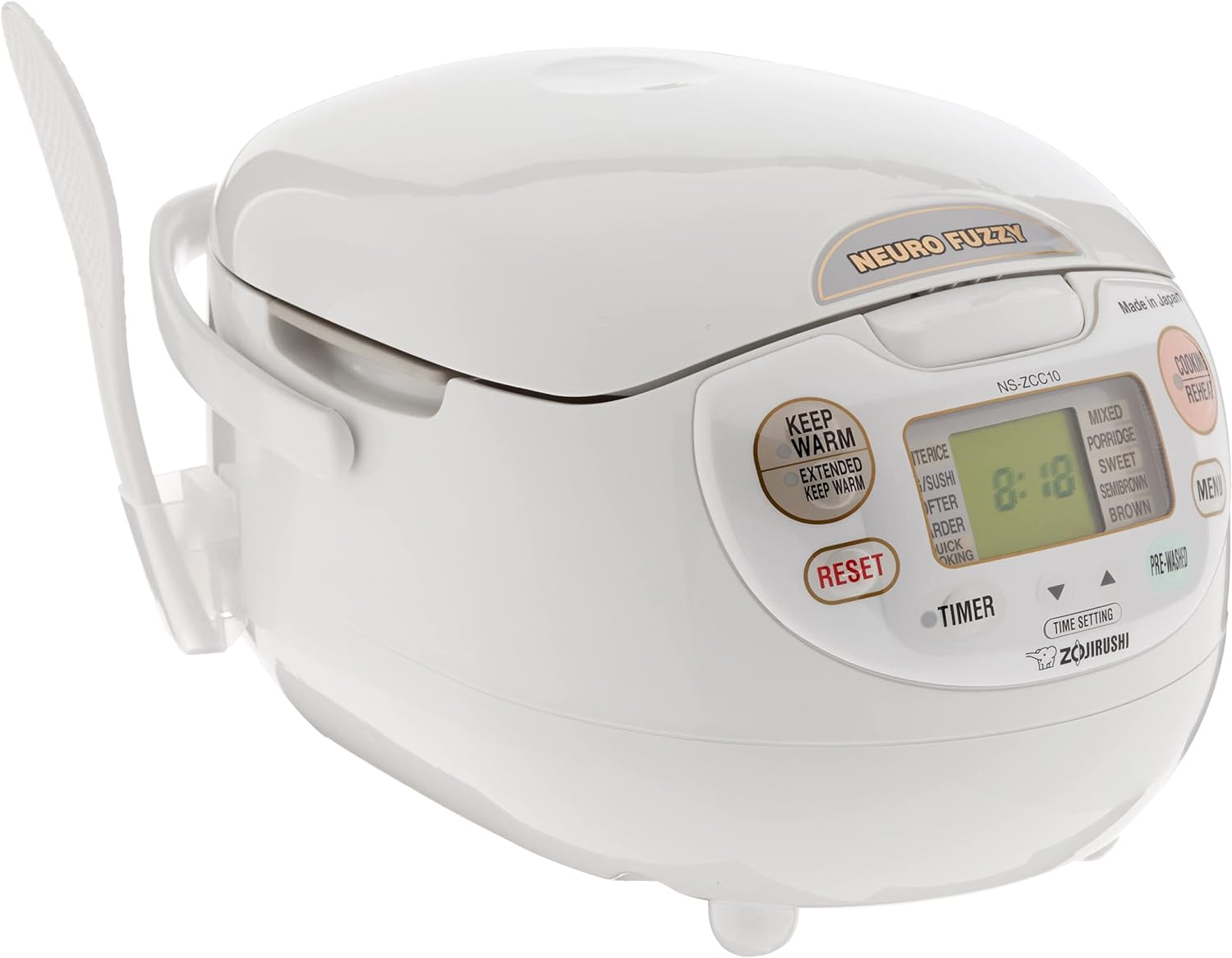
Advanced computerized systems and micro-fuzzy logic algorithms regulate cooking cycles automatically to prevent burning and ensure consistent textures across various white, brown, and specialty grains. Reviewing physical dimensions, electrical power ratings, and included accessories helps determine how a specific heating appliance integrates cleanly into your kitchen storage space and meal preparation routine.
As an Amazon Associate, StacyLaughs earns from qualifying purchases.
Buying guide
Capacity and Household Size
Choosing the correct rice capacity ensures your appliance matches your household cooking volume without wasting valuable counter space or falling short during family meals. Manufacturers typically measure capacity in cups of uncooked grain, which roughly double in physical volume once fully cooked. Compact models holding three cups uncooked suit single users or couples preparing modest daily portions.
Larger households or individuals who enjoy hosting guests should look toward six-cup or ten-cup capacities. Assessing your typical batch size prevents buying an oversized unit that dominates kitchen storage or an undersized pot that requires running multiple batches for dinner parties. Always match the listed uncooked measure to your actual dining habits and storage constraints.
Heating Technologies and Fuzzy Logic
Internal heating mechanisms significantly influence how evenly your grains cook and whether delicate varieties achieve optimal textures during every single meal preparation session. Advanced models incorporate micro computerized fuzzy logic or specialized algorithms that monitor internal cooking temperatures continuously. These sophisticated systems adjust heating levels dynamically throughout the entire cooking cycle to prevent scorching and raw centers.
Simpler digital cookers rely on basic thermostats that execute standardized heating profiles without algorithmic temperature adjustments. While basic units handle standard white and brown rice adequately, fuzzy logic variants excel at managing specialized grain types like porridge, sushi rice, or multi-grain blends. Evaluate your regular culinary preferences when selecting between advanced algorithmic precision and basic heating control for your kitchen.
Wattage and Power Requirements
Electrical wattage ratings dictate how quickly your appliance can heat water and process different grain types during busy cooking sessions. High-wattage models often exceed one thousand watts, providing rapid cooking speeds and powerful performance for specialized features like quick-rice settings. These powerful heating units require stable circuit capacity to operate safely without tripping older household electrical breakers.
Lower-wattage cookers consume less electricity and operate efficiently on standard kitchen circuits, though they typically require longer cooking times to complete a standard batch of grains. Balancing your desire for rapid meal preparation against your kitchen electrical constraints helps determine the appropriate wattage level. Review your outlet locations and breaker loads before purchasing high-wattage cooking appliances.
Cleaning and Maintenance Care
Maintaining your appliance according to strict manufacturer care instructions preserves non-stick coatings and extends the operational lifespan of internal components over years of regular use. Some modern models feature dishwasher-safe pots and removable steamer accessories that significantly simplify post-cooking cleanup routines. Others specify hand washing or wiping down surfaces with a damp cloth to protect delicate exterior finishes.
Removable inner lids and built-in self-cleaning settings further reduce the daily effort required to eliminate stubborn starch buildup and food residue after preparing sticky meals. Assess whether you prefer the convenience of automated dishwasher cycles or do not mind manual hand washing routines. Following specific manufacturer maintenance guidelines prevents premature wear on non-stick cooking surfaces and heating elements.
Dimensions and Countertop Footprint
Physical dimensions and exterior footprints dictate how easily an appliance fits into your existing kitchen layout and dedicated storage spaces. Measuring your available counter space, depth clearance, and overhead cabinet height prevents purchasing a machine that blocks upper cabinetry or crowds everyday food prep areas. Compact units suit tight kitchens with limited workspace.
Larger multi-function cookers demand substantial surface area and stable placement due to their broader dimensions and heavier structural builds. Consider whether you plan to store the unit inside a pantry cabinet between uses or leave it permanently on the counter surface. Retractable power cords and manageable unit weights ease the process of moving larger appliances safely.
Preset Functions and Accessories
Program options and included accessories expand an appliance's daily utility far beyond basic grain preparation into versatile multi-course meal cooking. Look for preset menus catering to brown rice, oats, soups, and steamed vegetables if you enjoy cooking diverse recipes. Built-in delay timers also let you program cooking cycles hours in advance for ultimate schedule flexibility.
Included measuring cups, serving spatulas, and stainless steel steamer baskets provide immediate practical value and ensure accurate ingredient ratios required for proper cooking results. Reviewing which accessories come packaged with the unit saves you from purchasing supplementary tools separately. Matching bundled features to your specific cooking habits ensures a satisfying long-term kitchen experience.
Frequently asked questions
Do I need to use the specific measuring cup included with the rice cooker?
Yes, manufacturers explicitly note that rice must be measured using the specific cup provided with the product package. Rice cooker measuring cups are calibrated to exact volumetric standards used by the appliance's internal heating sensors and fuzzy logic algorithms. Using standard kitchen measuring cups can alter the correct grain-to-water ratio, leading to undercooked or overly soggy results because the internal computer relies on these proprietary measurements to calculate proper steam times and absorption rates.
What is the difference between standard digital cookers and fuzzy logic models?
Standard digital cookers typically rely on basic thermostats and fixed heating profiles to process grains at uniform temperatures. In contrast, fuzzy logic and micro-computerized models incorporate advanced microprocessors that monitor and adjust internal temperature and cooking time dynamically throughout the entire cycle. This algorithmic adaptability prevents scorching, compensates for minor measuring variations, and ensures consistent texture results across a wider variety of specialized grains like brown rice, porridge, and sushi rice.
Can I steam vegetables and meat while cooking rice at the same time?
Many rice cookers include a dedicated steam tray or basket specifically designed to sit above the inner cooking pot while grains prepare below. As the water heats and generates steam to cook the rice, that same steam passes upward through the tray to cook meats, vegetables, and other ingredients simultaneously. This dual-cooking capability saves time and countertop space during meal preparation, allowing you to complete multiple dish components within a single compact appliance footprint.
How do keep-warm and delay timer features work?
Automatic keep-warm modes activate immediately after a cooking cycle finishes, maintaining safe serving temperatures for hours without drying out the grains. Extended keep-warm and reheating cycles provide additional temperature management options. Meanwhile, delay timers let you program the appliance hours in advance, allowing the cooker to finish its cycle at your preferred mealtime. These automated timing functions streamline daily meal scheduling for busy individuals and families managing tight daily routines.
Are rice cooker pots dishwasher safe or do they require hand washing?
Cleaning requirements vary significantly depending on the specific model and manufacturer guidelines. Some appliances feature dishwasher-safe inner pots, ceramic coatings, and removable steamer baskets that simplify post-cooking cleanup. Other units specify hand washing or wiping down surfaces with a damp cloth to protect delicate exterior finishes and non-stick properties. Always check the product specifications and manual instructions for your specific appliance to maintain proper hygiene and extend its operational lifespan.