Appliances · Buying Guide
Best Rice Cooker with Steamer Basket Options for Versatile Meal Prep
Finding the right appliance to streamline daily cooking routines often leads home cooks toward a reliable rice cooker with steamer basket. These versatile kitchen tools handle grain preparation while simultaneously steaming vegetables, fish, seafood, or dumplings in an upper tray, making weeknight cooking much simpler and far more organized across various household needs.
Evaluating available options involves looking closely at specific capacity requirements, digital programmable controls, heating technologies, and cleaning preferences. Whether preparing large meal batches for a busy household or cooking compact portions for a small kitchen space, matching device specifications to everyday culinary routines ensures efficient meal preparation, simple maintenance, and consistently reliable grain textures.
As an Amazon Associate, StacyLaughs earns from qualifying purchases.
Buying guide
Capacity and Yield Considerations
Choosing the correct capacity for a rice cooker with steamer basket depends heavily on your typical household size and regular meal preparation habits. Manufacturers typically measure capacity in terms of uncooked rice cups, a volume that nearly doubles when grains absorb water and cook completely. Smaller models holding two cups uncooked suit single users or couples preparing side dishes.
Larger households requiring extensive meal prep or family dinners benefit from units boasting five to ten cups of uncooked capacity. Matching your kitchen appliance size to your daily serving needs prevents the inefficiency of cooking multiple small batches while avoiding oversized units that consume unnecessary counter space in compact kitchens.
Heating Technology and Cooking Logic
Advanced heating technologies significantly influence how evenly grains cook and how reliably the appliance maintains desired textures. Standard heating elements warm the bottom of the pot directly, while advanced fuzzy logic systems and sensor technology monitor internal cooking temperatures continuously throughout the cycle. These intelligent systems adjust heat output dynamically to prevent scorching or uneven moisture distribution.
Some models incorporate three-dimensional heating structures that surround the inner pot with thermal energy from multiple angles. This comprehensive approach promotes uniform results across various grain types while optimizing energy and water consumption. Evaluating these internal heating mechanisms helps buyers select equipment matching their expectations for dependable everyday culinary consistency.
Preset Functions and Versatility
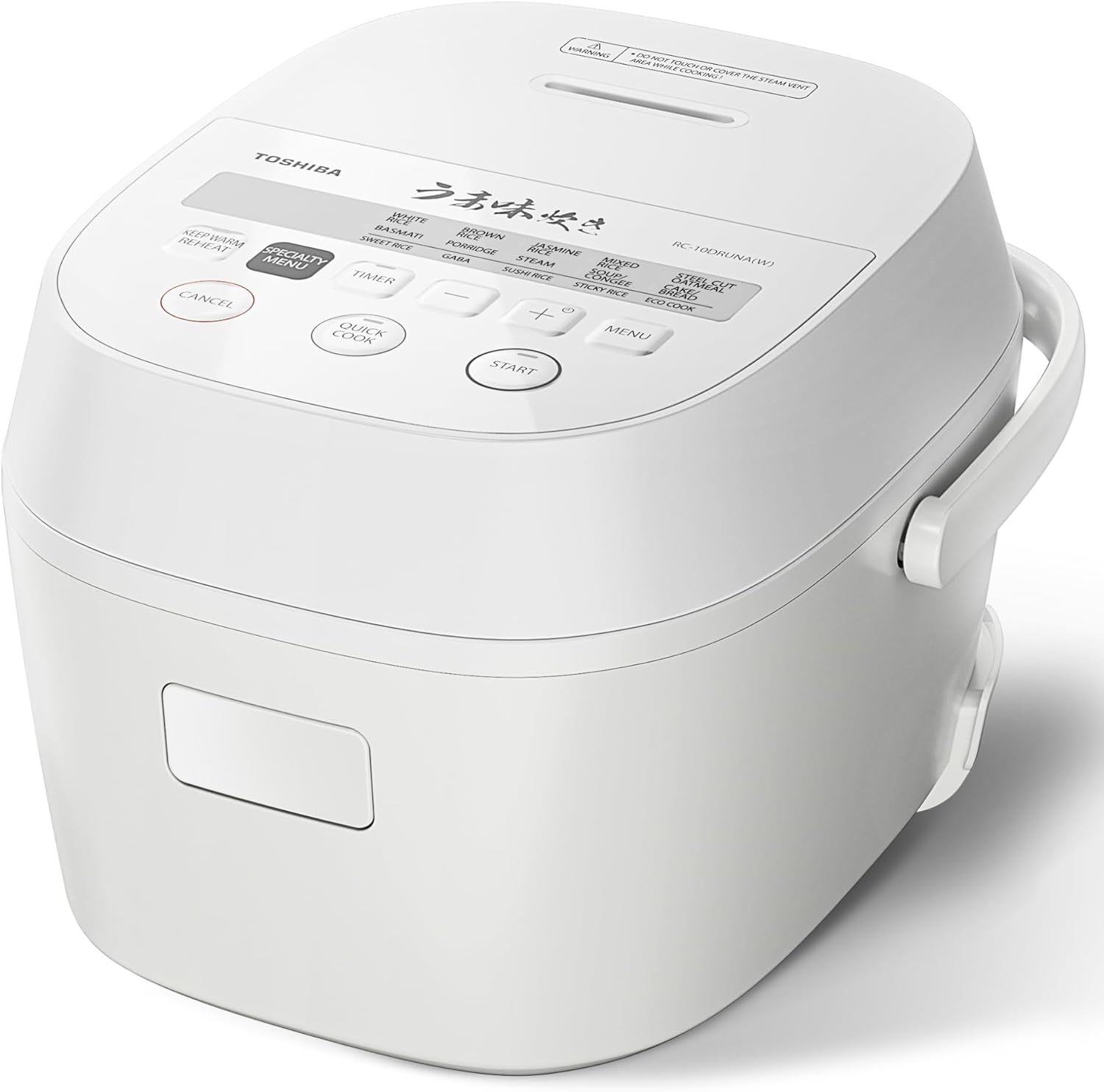
Modern electric cookers offer diverse preset functions extending far beyond basic white rice preparation. Many units include dedicated preset programs for brown rice, quinoa, oatmeal, slow-cooked soups, steaming vegetables, and even baking small cakes. These specialized presets automatically calibrate time and temperature parameters, taking the guesswork out of preparing complex multi-ingredient recipes during busy weeknights.
Assessing your household cooking style reveals which preset programs deliver the highest practical value for your daily routines. If your diet relies heavily on whole grains, mixed varieties, or steamed proteins, selecting a multi-functional appliance with tailored settings streamlines meal preparation significantly without requiring constant manual monitoring of traditional stovetop burners or separate cookware items.
Material Construction and Inner Pot Coatings
The physical materials used in constructing a rice cooker with steamer basket impact long-term durability and daily heat retention. Stainless steel exteriors provide robust housing that resists normal wear and wipes down easily, while alternative housing components offer lightweight handling. Inner cooking pots frequently feature ceramic or non-stick coatings designed to prevent cooked grains from sticking to the base.
Examining the thickness of the inner pot also matters greatly for overall thermal performance. Thicker metal pots distribute heat more evenly during cooking cycles across various grain types. Reviewing manufacturer specifications regarding material composition ensures you select an appliance built to withstand frequent use while matching your personal kitchen aesthetic preferences.
Cleanup and Maintenance Requirements
Maintaining kitchen appliances efficiently depends heavily on whether removable components are rated dishwasher safe or require manual hand washing. Many modern cookers feature dishwasher-safe inner pots, steam baskets, and measuring accessories, significantly reducing post-meal cleanup effort after busy dinners. Other specialized models specify gentle hand washing with mild soap and soft cloths to preserve delicate non-stick ceramic coatings over time.
In addition to the main pot and steaming basket, checking features like removable steam valves and vent caps simplifies deep cleaning routines. Following manufacturer maintenance guidelines prevents stubborn residue buildup and ensures the appliance operates reliably over years of regular family meal preparation without unexpected mechanical issues or surface degradation.
Timing and Programmable Controls
Programmable timing controls offer exceptional scheduling flexibility for busy households through built-in delay timers and automatic keep-warm modes. Delay timers allow users to load dry ingredients and water hours in advance, programming the device to complete the cooking cycle right before mealtime. Automatic keep-warm features then maintain optimal serving temperatures safely without overcooking or burning the grain.
These timing functions eliminate the pressure of rushing dinner preparation immediately after returning from a long workday. Evaluating the maximum duration of delay timers and keep-warm cycles ensures the appliance fits your specific scheduling requirements, whether you need food held warm for a brief period or ingredients timed many hours ahead.
Frequently asked questions
Can I steam vegetables at the same time I cook rice?
Yes, you can steam vegetables, fish, seafood, or dumplings simultaneously using the included steam basket while your rice or grains cook in the inner pot below. As the water boils and heats the main chamber, the rising steam cooks the items placed in the upper basket without requiring separate cookware. This simultaneous method saves valuable time during busy weeknight meal preparation, allowing you to complete multiple components of your dinner in a single appliance footprint.
How do I clean a rice cooker with a ceramic or non-stick inner pot?
Cleaning your inner pot depends heavily on the manufacturer's specific maintenance guidelines provided for that model. Some units feature dishwasher-safe inner pots and accessories that simplify cleanup, while others explicitly recommend hand washing with mild soap and a soft cloth to protect delicate non-stick ceramic coatings. Always allow the pot to cool before washing, and avoid abrasive scouring pads that might scratch or degrade the specialized surface coatings over extended periods of regular use.
What is the difference between cooked and uncooked rice capacity?
Uncooked capacity measures the dry volume of grain added to the pot using the specialized measuring cup provided with the appliance. Cooked capacity represents the final volume after the grains absorb water and expand during the heating cycle, which typically doubles the initial dry measurement. When reviewing appliance specifications, understanding this distinction ensures you select a model capable of yielding sufficient portions for your family size without overflowing the inner cooking pot.
What do fuzzy logic and sensor technologies do in a rice cooker?
Advanced fuzzy logic and sensor technologies automatically monitor and adjust internal cooking temperatures and heating cycles throughout the entire preparation process. Instead of relying on a simple fixed timer, these intelligent systems respond dynamically to moisture levels and grain absorption rates. This precise control optimizes the texture and flavor of white rice, brown rice, and other grains, helping deliver consistently fluffy results whether you are a cooking novice or an experienced home cook.
Can these appliances cook grains other than white rice?
Yes, many modern electric cookers feature specialized presets designed for a wide variety of grains and meals beyond basic white rice. Depending on the specific model, you can find programmed settings for brown rice, quinoa, mixed grains, oatmeal, slow-cooked soups, porridge, and steamed proteins. These dedicated programs automatically adjust temperature and time parameters to accommodate the unique cooking requirements of different ingredients, greatly expanding the culinary versatility of your countertop appliance.