Appliances · Buying Guide
Best Rice Cooker With Timer Options For Flexible Meal Planning
Finding the right kitchen appliance can transform how you handle daily meal preparation, especially when balancing a busy work schedule and active family life. A reliable rice cooker with timer capabilities allows you to prep grains and other ingredients well ahead of schedule, ensuring a hot meal is ready right when you walk through the door after a long day.
These modern multi-cookers offer various preset functions, precise digital controls, and compact footprints designed to fit neatly on your kitchen countertop. Reviewing specific capacities, wattages, and programmable delay timers helps you match a dedicated device to your exact household needs without relying on guesswork or complex manual adjustments during cooking cycles.
As an Amazon Associate, StacyLaughs earns from qualifying purchases.
Buying guide
Capacity and Household Size
Selecting the correct capacity is essential when shopping for a rice cooker with timer functions. Smaller models hold three cups of uncooked grains, yielding up to six cooked portions, which suits single occupants or couples perfectly. Larger ten-cup units accommodate twenty cooked cups, easily feeding big families or meal-prepping enthusiasts. Matching the physical volume to your typical dining habits prevents wasted ingredients and ensures your appliance remains practical for daily use.
Consider how often you host guests or cook extra batches for future lunches. Oversized cookers take up unnecessary counter space if you only prepare small side dishes. Conversely, compact machines leave you running multiple batches if you try to feed a crowd. Assessing your standard household portion requirements before purchasing guarantees that your chosen machine matches your cooking frequency and storage availability without daily frustration.
Heating Technology and Fuzzy Logic
Advanced heating technologies significantly influence how evenly your grains cook. Models featuring micro computerized fuzzy logic automatically monitor internal temperatures through multiple cooking stages, adjusting heat output to guarantee fluffy textures. Traditional basic thermostats rely on simpler thermal sensors, which work adequately for white rice but lack the nuanced adaptability required for mixed grains, sticky rice, or delicate oatmeal preparations.
Multi-element heating systems, such as those embedded in the lid, sides, and base, distribute thermal energy uniformly across the inner pot. This multi-directional approach eliminates cold spots and prevents scorching at the bottom of the vessel. Investing in an appliance with sophisticated heating logic provides consistent culinary outcomes, reducing trial and error when experimenting with unfamiliar grain varieties during busy weeknight dinners.
Timer and Scheduling Flexibility
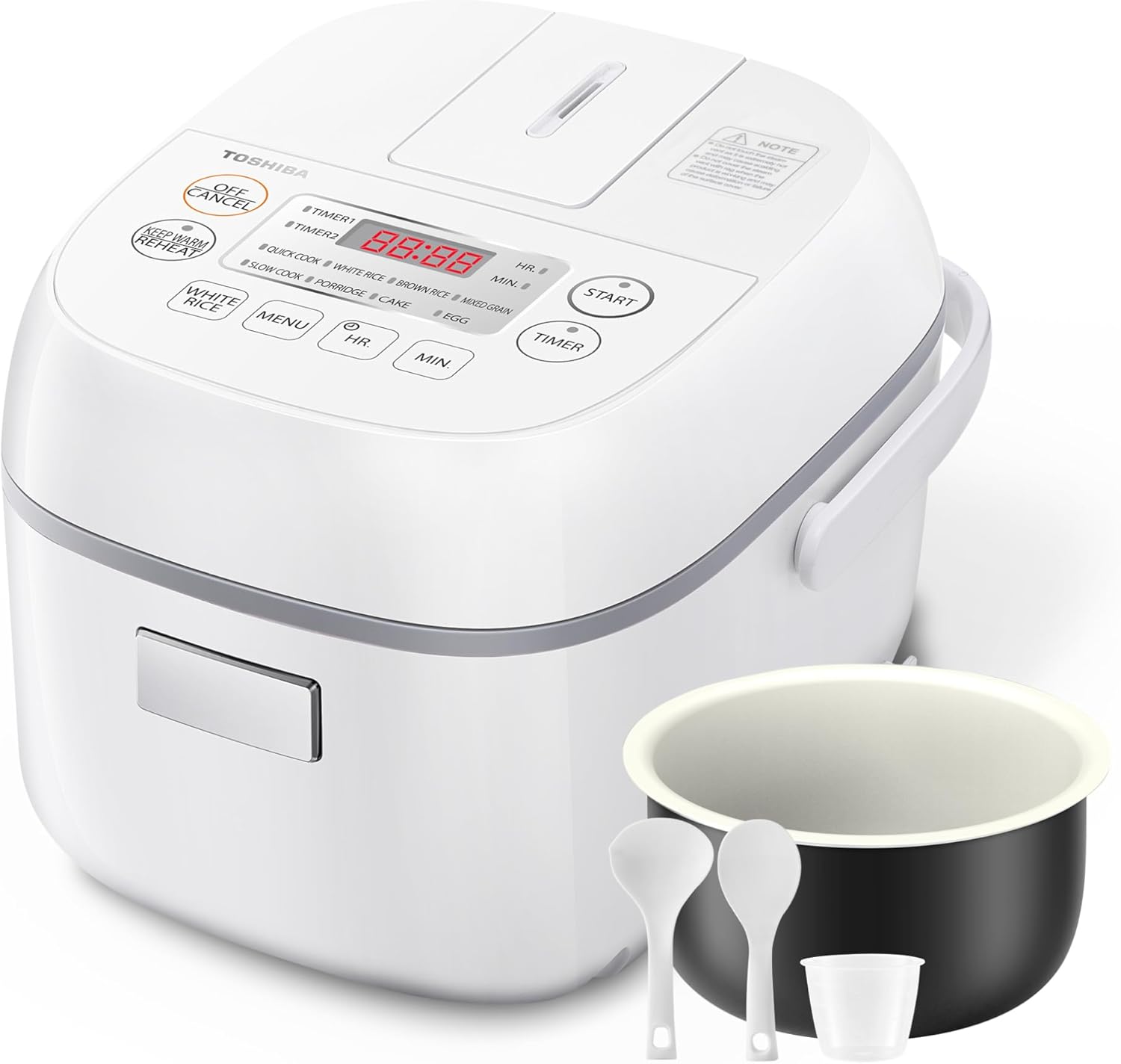
A programmable delay timer transforms how you approach daily meal planning by allowing you to load ingredients hours in advance. Units typically offer delay windows ranging from twelve to twenty-four hours. This feature enables you to set your cooker in the morning and return home to freshly steamed rice without active monitoring. Matching the timer range to your daily schedule ensures maximum convenience throughout the workweek.
Keep-warm modes frequently complement delay timers, automatically shifting to a low-heat holding state once the primary cooking cycle concludes. This dual functionality prevents grains from cooling down or drying out if your arrival home is slightly delayed. Evaluating how long a machine maintains safe serving temperatures helps accommodate unpredictable schedules without sacrificing food quality or requiring manual reheating steps later in the evening.
Cleaning and Maintenance Requirements
Post-cooking cleanup varies drastically depending on the materials and construction of your chosen rice cooker. Models featuring dishwasher-safe ceramic inner pots and removable stainless steel steamer baskets simplify maintenance routines significantly. Non-stick coatings prevent starches from baking onto the bottom surface, allowing food residues to rinse away effortlessly under running water without requiring aggressive scrubbing or soaking periods.
Conversely, units requiring hand wash care demand careful manual cleaning of their stainless steel exteriors and specialized inner components. Detachable steam vents and inner lids also contribute to hygiene by letting you access hard-to-reach condensation channels. Reviewing manufacturer maintenance guidelines before buying ensures you select an appliance whose cleaning demands align comfortably with your household chores and preferred sanitation habits.
Preset Programs and Versatility
Modern rice cookers function as versatile multi-cookers equipped with specialized preset programs for diverse culinary tasks. Beyond basic white and brown rice settings, options often include dedicated modes for quinoa, oatmeal, slow cooking, steaming meats, and baking cakes. Selecting an appliance with a broad menu selection expands your cooking capabilities beyond simple grains, letting you prepare soups, stews, and steamed vegetables within one single countertop footprint.
Quick cooking presets utilize higher wattage to shorten standard cooking times by up to fifty percent when you are in a rush. However, specialized programs should align with your actual eating habits to avoid paying for complex menus you rarely utilize. Evaluating the specific button layouts and digital panel interfaces ensures you can easily navigate between different cooking modes without sorting through confusing instruction manuals every time.
Countertop Footprint and Storage
Physical dimensions and weight dictate how easily a rice cooker integrates into your existing kitchen layout. Large ten-cup models possess wider and deeper profiles that demand permanent countertop placement, while compact three or four-cup mini units slip easily into standard cabinets when not in use. Measuring your available counter space and overhead clearance before making a final selection prevents frustrating storage conflicts in cramped kitchens.
Additional design elements like built-in retractable power cords help maintain an organized workspace by eliminating messy wire clutter around your counters. Weight also matters if you plan to move the appliance frequently between pantry shelves and prep stations. Balancing physical capacity against your storage constraints ensures the chosen machine remains accessible and convenient rather than becoming an unwieldy obstacle during routine meal preparation tasks.
Frequently asked questions
How does the delay timer work on a digital rice cooker?
The delay timer allows you to program your appliance to finish cooking at a specific time in the future. You measure out your rice and water, place them into the inner pot, and select your desired delay duration or completion time using the digital control panel. The internal computer calculates when to start the heating cycle so that your grains finish cooking right as the timer reaches zero. This feature lets you load ingredients in the morning and return home to a warm meal without active supervision.
Can I cook other foods besides rice using a programmable multi-cooker?
Yes, many modern rice cookers feature versatile preset programs designed for preparing alternative foods. You can utilize specialized modes for cooking quinoa, oats, soups, stews, and steaming various meats or vegetables using an included steam tray. Some advanced models even feature specific settings for baking cakes or cooking porridge. Reviewing the available digital programs on a specific model helps determine what types of dishes you can successfully prepare beyond standard white or brown rice varieties.
What is the difference between hand wash and dishwasher safe components?
Dishwasher safe components are engineered to withstand the high water temperatures and strong detergents found in automatic dishwashers without sustaining damage or degrading non-stick coatings. This designation allows you to place inner pots, steamer baskets, and accessories directly into the machine for effortless cleanup. Hand wash requirements mean you must clean those same parts manually using a sponge and mild soap. Following manufacturer care instructions protects protective coatings and prevents premature wear on delicate surfaces.
How do I choose the correct rice cooker capacity for my household?
Choosing the right capacity depends entirely on how many people you regularly cook for and whether you enjoy keeping leftovers. Small mini cookers holding three cups of uncooked rice yield up to six cooked portions, making them ideal for single occupants or couples. Mid-sized two-quart models handle up to eight cooked cups for small families. Large ten-cup appliances produce twenty cooked portions, suiting large households and heavy batch cooking. Matching capacity to your daily portions prevents wasted ingredients.
Why do some rice cookers use fuzzy logic technology?
Fuzzy logic technology utilizes an internal computer chip to monitor and adjust internal cooking temperatures dynamically throughout the entire cycle. Instead of following a rigid heating pattern, the appliance responds to subtle temperature changes inside the pot, optimizing heat delivery for different grain types. This intelligent adjustment ensures that white rice, brown rice, and mixed grains achieve optimal texture and flavor consistently. It removes guesswork from the cooking process, resulting in evenly prepared dishes every time.