Appliances · Buying Guide
Best Sandwich Makers and Panini Presses for Quick Home Grilling
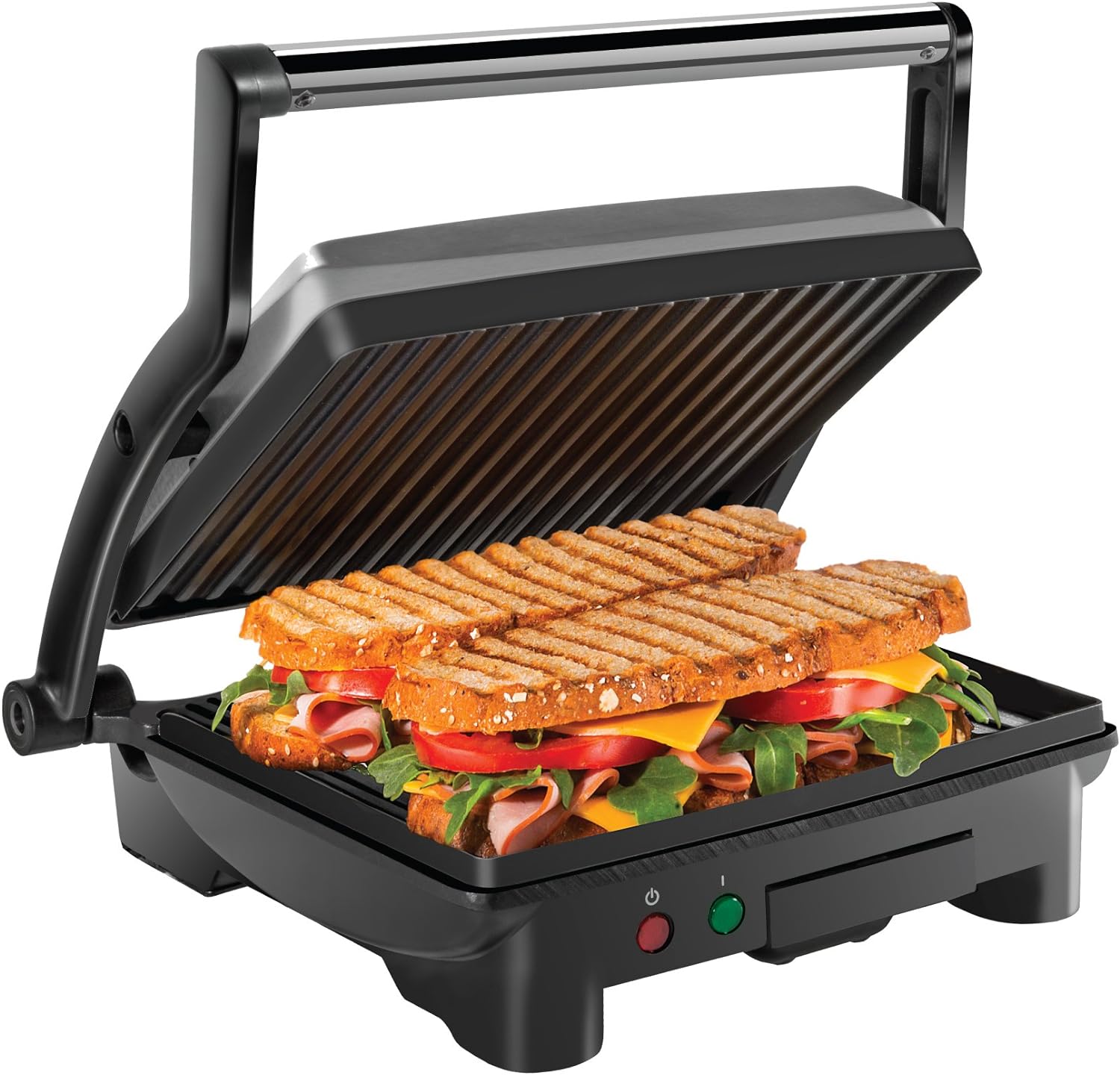
Choosing the right countertop appliance for toasted sandwiches and grilled meals depends heavily on your available kitchen space and daily cooking style. Modern kitchen tools range from compact single-purpose presses to versatile multi-surface units capable of handling everything from pressed paninis to full breakfast spreads with minimal effort.
Evaluating these options requires looking closely at plate dimensions, wattage ratings, hinge designs, and cleaning mechanisms. Whether you need a simple machine for quick lunches or an adjustable multi-functional press for family gatherings, understanding core specifications helps match the hardware directly to your routine. Comparing physical footprints, power draws, and surface materials ensures you select a reliable device suited to your exact culinary preferences.
As an Amazon Associate, StacyLaughs earns from qualifying purchases.
Buying guide
Plate Surface Materials and Nonstick Coatings
Selecting the right plate material impacts both cooking performance and long-term cleanup ease. Modern sandwich presses and panini machines commonly utilize ceramic nonstick coatings free of harmful chemicals like PFOA, lead, and PFAS. These advanced surfaces allow bread and cheese to release smoothly without requiring excess cooking sprays, which prevents stubborn residue buildup over time and supports straightforward maintenance.
Removable plates offer a distinct maintenance advantage because they can be lifted out of the base and placed directly into a dishwasher for thorough washing. Fixed plates instead require manual wiping with a damp cloth once the unit has fully cooled. Evaluating how frequently you plan to cook sticky or cheesy ingredients helps determine whether removable dishwasher-safe plates are necessary for your kitchen routine.
Wattage Ratings and Power Requirements
Power output directly influences how quickly your appliance heats up and maintains consistent cooking temperatures. Units ranging from 750 watts suit light, single-serving tasks in dorm rooms or small apartments, but they may take longer to recover heat between batches. Higher-wattage models reaching 1400 to 1500 watts deliver faster preheating and maintain steady temperatures for dense, heavily loaded paninis.
When operating high-wattage appliances, you must consider your kitchen electrical circuit capacity. Running a 1500-watt press alongside other heavy countertop devices on the same circuit can cause power overloads. Checking your kitchen outlet layout and understanding your device power draws ensures safe, uninterrupted cooking performance during busy meal preparation sessions throughout the week.
Hinge Mechanisms and Food Thickness Accommodation
The hinge design dictates how effectively the appliance handles various food thicknesses without crushing your carefully assembled ingredients. Floating hinges are particularly valuable because the top plate rises automatically to match the height of thick sandwiches, ensuring an even press from front to back. Without a floating mechanism, thick Reubens or loaded subs may slide out or cook unevenly.
Some advanced models also feature hinges that open completely flat to 180 degrees, effectively doubling your available cooking surface. This capability transforms a standard sandwich press into an open griddle suitable for eggs, pancakes, or vegetables. Assessing whether you need standard vertical pressing or flat-surface dual grilling helps narrow down the ideal hinge configuration for your culinary needs.
Countertop Footprint and Storage Versatility
Available kitchen space heavily dictates the physical size of the appliance you should purchase. Compact models take up minimal counter space and often feature upright storage capabilities, allowing them to tuck neatly into narrow cabinets or tight pantry shelves when not in use. These smaller footprints are ideal for studio apartments, office breakrooms, or shared dorm environments.
Larger multi-functional griddles offer expansive cooking areas but demand permanent countertop placement or dedicated wide storage space. Before buying, measure your available counter depth and vertical cabinet clearance to ensure the unit fits comfortably. Choosing a machine with a built-in storage latch also helps keep the housing securely closed during vertical placement.
Temperature Controls and Preset Options
Temperature management varies significantly across different sandwich maker and panini press models. Simple machines rely on a single preset temperature tuned for basic sandwich toasting, eliminating any learning curve for users who want quick results. However, this fixed approach limits your ability to fine-grain cooking levels for delicate ingredients that might burn under high, uncontrolled heat.
Advanced indoor grills feature dual temperature controls or adjustable dials ranging from warm to high sear settings. These controls let you tailor thermal output specifically for pancakes, grilled meats, or pressed paninis. Matching the control complexity to your cooking habits ensures you get precise results without paying for features you will never use.
Grease Management and Cleanup Systems
Cooking hot sandwiches and grilled meats inevitably produces grease and melted cheese runoff that requires effective management. Well-designed presses incorporate slanted plates or tilt-up feet that direct liquids away from the cooking food and toward a dedicated drip tray located at the back or side of the unit. This prevents grease pooling directly on the hot surface.
Removable drip trays that lift out independently make emptying and washing collected oils much simpler. When combined with dishwasher-safe ceramic plates, these grease management features drastically reduce post-meal cleanup time. Reviewing how drip trays and drainage channels are integrated helps you select a machine that keeps kitchen counters clean and hassle-free.
Frequently asked questions
Do I need to use cooking spray on non-stick panini press plates?
Most modern sandwich makers and panini presses feature advanced ceramic non-stick coatings designed to release food smoothly without the addition of oils or cooking sprays. In fact, manufacturers often advise against using aerosol cooking sprays because propellant residues can build up over time and damage the non-stick surface integrity. Instead, let your unit preheat thoroughly according to the manual instructions so the natural release properties function effectively. If your bread is dry or you prefer an extra crispy crust, lightly brushing the exterior of the bread with butter or oil is generally preferred over spraying the bare hot plates directly.
Can I cook foods other than sandwiches in a panini press?
Many versatile countertop presses are engineered to handle much more than standard sandwiches. Units that open flat to 180 degrees transform into open griddles suitable for cooking eggs, bacon, pancakes, burgers, and sliced vegetables. Even models with fixed closing covers can typically accommodate quesadillas, personal pizzas, omelets, French toast, and open-face bruschetta. Always check your specific product design and hinge capabilities before attempting non-sandwich meals, and use a floating hinge when pressing thicker items to ensure even heat distribution across the entire top and bottom cooking surfaces without crushing your ingredients.
How should I clean my electric sandwich maker after use?
Cleaning methods depend heavily on whether your appliance features removable plates. For units with removable ceramic non-stick plates and a detachable drip tray, you can safely lift them out and place them in the dishwasher once cooled completely. For models with fixed plates, unplug the unit and let it cool down before wiping the surfaces with a soft, damp cloth or sponge. Avoid using abrasive scouring pads or metal utensils that can scratch the delicate non-stick coating. Always ensure the appliance is completely cool and dry before storing it upright or placing it inside a kitchen cabinet.
What does a floating hinge do on a panini press?
A floating hinge is a mechanical feature that allows the top cooking plate to rise and adjust automatically to the height of whatever food you place inside. This ensures uniform contact across both thick specialty paninis, heavy Reubens, and thin flatbreads alike. Without a floating hinge, thick sandwiches might get unevenly crushed at the back while remaining unpressed at the front. The hinge keeps the top plate parallel to the bottom surface regardless of sandwich thickness, ensuring even toasting and proper cheese melting across the entire meal without requiring manual pressure adjustments during your cooking cycle.
Why does my sandwich maker have a preheat light?
The preheat light acts as an essential visual indicator to let you know when the internal heating elements have reached the proper cooking temperature. Putting bread and ingredients onto cold plates can result in soggy textures and uneven toasting because the surfaces lack sufficient thermal energy to sear the bread properly. Waiting for the indicator light to illuminate or turn off signaling readiness ensures the plates are hot enough to create immediate grill marks and crisp the exterior crust. Always review your manufacturer guidelines for specific preheating times, which typically range from a few minutes to ensure optimal results.