Appliances · Buying Guide
Best Single Burner Induction Cooktop Options for Compact Kitchens
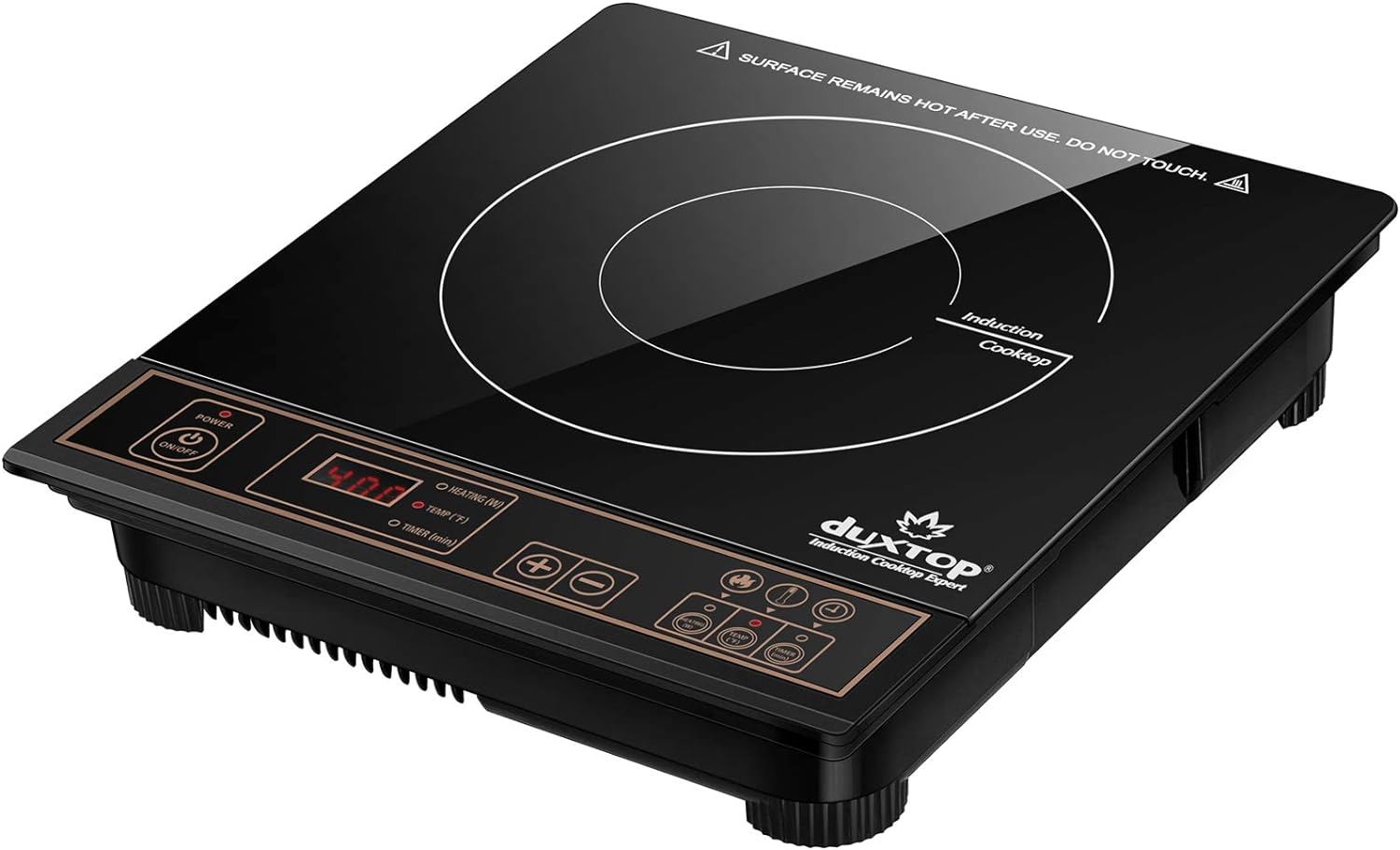
Finding a reliable single burner induction cooktop can greatly simplify meal preparation in restricted environments like RVs, cabins, studio apartments, or crowded kitchen countertops. These versatile portable appliances transfer electromagnetic energy directly to compatible metal cookware, offering rapid heating capabilities and responsive temperature adjustments without ever requiring a traditional full-sized range setup during busy daily routines.
Because induction technology relies strictly on magnetic interaction, understanding cookware material requirements is essential before starting any routine cooking task. Selecting the right countertop burner depends heavily on electrical power requirements, available surface dimensions, and desired control preferences, ensuring safe and efficient daily performance across various compact living spaces and modern households.
As an Amazon Associate, StacyLaughs earns from qualifying purchases.
Buying guide
Understanding Power Ratings and Wattage
Single burner induction cooktops typically range from 1400 to 1800 watts, directly influencing heating speed and boiling efficiency. Higher wattage models deliver faster energy transfer to compatible cookware, reducing wait times for boiling water or searing meats. When selecting a unit, evaluate your electrical circuit capacity to ensure standard household outlets support the continuous power draw without tripping breakers.
Lower wattage options still provide reliable simmering and gentle heating for smaller portions or delicate sauces. Matching the power capacity to your typical cooking habits ensures satisfactory performance without paying for unnecessary electrical overhead. Always review appliance specifications against your kitchen layout and intended usage frequency before finalizing a purchase decision.
Evaluating Cookware Compatibility Requirements
Induction cooking relies entirely on electromagnetic fields, meaning standard non-magnetic aluminum or copper cookware will not function unless equipped with a magnetic stainless steel base. Traditional cast iron, enameled iron, and specialized magnetic stainless steel pans work seamlessly with these cooktops. Checking your existing kitchen inventory beforehand prevents frustrating compatibility issues and ensures the appliance functions correctly right out of the box.
Manufacturers frequently specify compatible pan bottom diameters, such as flexible ranges between four and ten inches. Using cookware that falls outside these recommended size boundaries can result in poor heating efficiency or trigger auto-shutoff safety mechanisms. Verifying both material composition and base dimensions guarantees smooth, uninterrupted meal preparation sessions across your chosen cooktop model.
Temperature and Power Level Precision
Precise temperature control distinguishes advanced induction burners from basic electric hot plates. Models offering fifteen to twenty adjustable power levels or fine-grained temperature increments allow cooks to dial in exact heats for simmering, frying, or boiling. This granular control prevents delicate sauces from scorching and ensures meats achieve proper searing temperatures without endless guesswork.
Reviewing the available temperature range, such as broad spans from 100 to 500 degrees Fahrenheit, helps determine if the unit suits specialized culinary techniques. Digital interfaces with responsive touch controls make on-the-fly adjustments straightforward during active cooking routines. Selecting a model with sufficient adjustment steps provides greater versatility for diverse daily recipes and cooking styles.
Safety Features and Automated Protection
Safety mechanisms are critical when operating high-wattage countertop appliances in confined living spaces. Look for built-in child locks to prevent accidental setting changes, residual heat indicators to warn against surface burns, and automatic pan detection systems that shut off power when cookware is removed. These safeguards minimize common kitchen hazards during busy meal preparation windows and family routines.
Overheat protection and voltage warning systems further safeguard the appliance against electrical irregularities and internal component damage. Units featuring auto-pause functions add daily convenience when you need to step away briefly from the kitchen counter. Prioritizing models equipped with comprehensive safety protocols ensures peace of mind for everyday household users and guest cooks alike.
Portability and Physical Dimensions
The primary advantage of a single burner cooktop lies in its compact, lightweight design suited for RVs, dormitories, offices, and small studio apartments. Reviewing physical dimensions and weight ensures the unit fits designated cabinet storage spaces and leaves adequate surrounding counter room. Slim profiles and lightweight builds under six pounds make transport effortless for outdoor cooking or travel use.
Countertop footprint considerations also involve necessary ventilation clearances and placement surface requirements, such as avoiding metal tabletops entirely. Ensuring your workspace accommodates the exact width and depth of the selected cooktop prevents workspace overcrowding and maintains safe airflow around internal cooling fans during extended cooking sessions across various residential environments.
Maintenance and Cleaning Guidelines
Ceramic glass and tempered glass cooktop surfaces simplify post-cooking cleanup routines by resisting stuck-on food debris and liquid spills. Wiping the cooled glass surface with a damp cloth after each meal prevents stubborn residue buildup. Following manufacturer guidance regarding surface care ensures the glass panel remains durable and free from unsightly scratches over years of regular kitchen use.
Avoid using abrasive scouring pads or harsh chemical cleaners that can compromise the protective finish of the glass panel. Keeping digital touch control panels clean and free of grease accumulation maintains highly responsive sensor input during operation. Proper routine maintenance preserves both the aesthetic appearance and functional reliability of your countertop induction burner.
Frequently asked questions
What kind of cookware do I need for a single burner induction cooktop?
Induction cooktops require cookware with magnetic bottoms. Compatible materials include cast iron, enameled iron or steel, and specialized stainless steel pots or pans featuring a magnetic stainless steel layer. Standard aluminum, copper, or glass cookware will not generate heat on an induction surface unless outfitted with a magnetic base adapter. You can easily test your existing pans by holding a refrigerator magnet against the bottom; if it clings firmly, the cookware is induction-ready and suitable for use.
Can I use an induction cooktop on any kitchen countertop surface?
Most induction cooktops operate safely on standard kitchen countertops made of laminate, granite, wood, or composite materials. However, certain manufacturer instructions explicitly advise against placing the active appliance directly on metal surfaces to prevent electrical interference and protect internal components. Additionally, you should always ensure there is adequate surrounding clearance for ventilation fans to expel heat properly during operation, avoiding cramped corners, walls, or cluttered spaces that might restrict necessary airflow and cause overheating.
Why is my induction burner making a high-pitched sound?
High-pitched sounds or buzzing noises on induction cooktops typically stem from the interaction between the electromagnetic coil and specific types of cookware. Clad cookware featuring multiple sandwiched metal layers in the base frequently produces these acoustic vibrations during high-power operation. This noise is a normal characteristic of electromagnetic energy transfer rather than an equipment defect. Switching to single-layer cast iron or heavy-bottomed magnetic stainless steel pans often reduces or eliminates these high-frequency sounds entirely.
Are portable induction cooktops safe to use in RVs and small apartments?
Portable induction cooktops serve as excellent alternative cooking solutions for RVs, cabins, dormitories, and studio apartments where full-sized kitchen ranges are completely unavailable. They operate on standard household electrical voltages and provide rapid heating without open flames, making them exceptionally well-suited for confined living spaces. Integrated safety mechanisms such as child locks, auto-pan detection, overheat protection, and automatic shutoff features further enhance their security and suitability for residential environments with limited space constraints.
How do I clean and maintain the glass surface of my induction cooktop?
Cleaning the ceramic or tempered glass surface of an induction cooktop is straightforward because the surrounding glass panel does not get as hot as traditional electric burners, preventing severe baked-on spills. You should always allow the unit to cool down completely before wiping the glass panel with a damp microfiber cloth and mild soap. Avoid abrasive scouring pads, steel wool, or harsh chemical cleaning agents that could scratch the protective glass finish over time and affect touch controls.