Appliances · Buying Guide
Best Sous Vide Cooker Options for Home Kitchen Precision Cooking
Achieving exact internal temperatures for meats, fish, and vegetables relies on precise thermal control rather than traditional high-heat stovetop methods. Modern immersion circulators clamp directly onto standard kitchen pots, heating and moving water continuously to maintain steady temperatures throughout the cooking vessel for consistent, edge-to-edge results without risking overcooking your food.
Selecting the right model depends on your available kitchen space, preferred control methods, and maximum water volume requirements. From compact units designed for everyday stockpots to high-powered heavy-duty circulators built for large containers, options vary in wattage, display styles, and smartphone connectivity features to match different cooking habits, pot sizes, and recipe routines.
As an Amazon Associate, StacyLaughs earns from qualifying purchases.
Buying guide
Evaluating Heating Wattage and Water Capacity
Heating wattage directly dictates how quickly your immersion circulator brings a water bath up to target temperature. Models featuring 800 to 1000 watts handle standard stockpots efficiently for everyday meals. Higher-wattage units reaching 1100 or 1200 watts heat larger volumes faster and maintain stability across expansive containers. Matching the wattage to your typical cooking volume ensures reliable thermal performance without unnecessary energy consumption.
Container capacity limits determine the maximum amount of food you can prepare in a single batch. Smaller circulators support water baths up to 15 liters, making them ideal for family dinners and single proteins. Heavy-duty options expand capacity significantly, accommodating up to 50 liters for large gatherings or commercial tasks. Reviewing manufacturer capacity guidelines prevents overloading the heating element and maintains consistent water circulation.
Understanding Connectivity and Control Interfaces
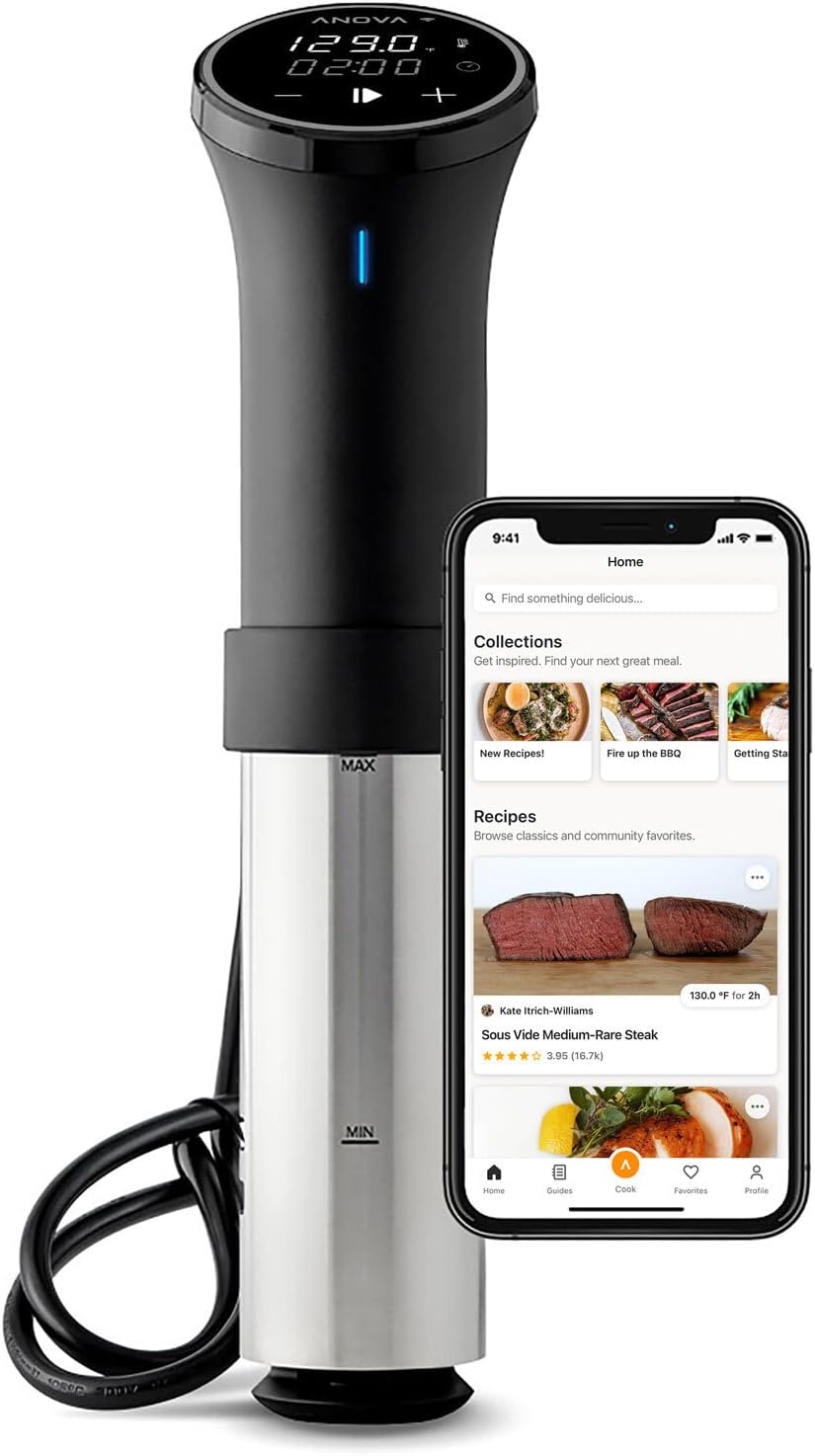
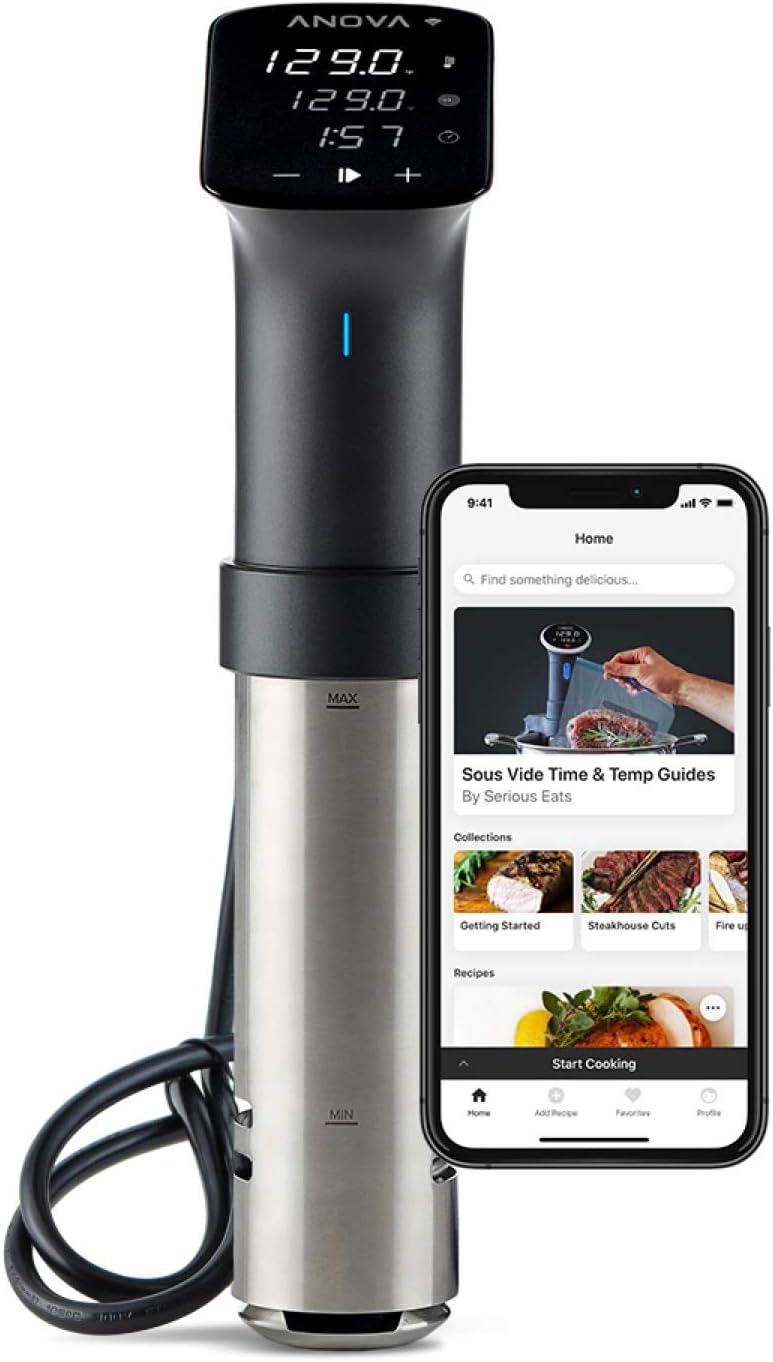
Control interfaces range from straightforward physical dials to touch screens and smartphone applications. Units with manual twist dials allow you to set temperatures and timers directly on the device without pairing devices or navigating wireless networks. Touch screen displays offer clear visual feedback right on the unit. Selecting a physical control style keeps kitchen workflows simple and eliminates reliance on external routers or software accounts.
Wireless connectivity options introduce remote monitoring capabilities through companion applications on your mobile device. Dual-band WiFi or 2.4GHz connections let you check water status, adjust temperatures, or receive alerts while moving around your home. Some apps also provide access to professional recipes and guided cooking steps. Evaluating whether you prefer standalone physical knobs or app-driven remote management helps align the appliance with your daily kitchen habits.
Assessing Physical Dimensions and Pot Compatibility
Physical dimensions dictate how much vertical clearance and counter space your setup requires during operation. Immersion circulators vary in total height, requiring pots deep enough to satisfy minimum water level markings without overflowing. Measuring your existing stockpots against the minimum depth requirements ensures the unit mounts securely and operates safely without triggering low-water safety shut-offs or running dry.
Clamp styles also influence pot compatibility across different kitchen vessels. Adjustable clamps fit a wider variety of pot rims, wall thicknesses, and depths, while fixed clamps offer simple attachment on standard stockpots. Reviewing the physical dimensions and mounting mechanisms prevents compatibility issues and guarantees the circulator fastens firmly to the specific cooking containers you already own in your kitchen.
Cleaning Mechanisms and Maintenance Requirements
Regular maintenance keeps your immersion circulator functioning properly over years of meal preparation. Many models feature removable stainless steel skirts or lower housings that detach with a simple twist. This detachable design lets you rinse the metal sleeve under the tap or place it in the dishwasher, making it easy to remove mineral deposits and food residue after cooking sessions.
Following manufacturer guidance regarding cleaning protects internal heating elements and circulating impellers from damage. Plastic components and sealed housings generally require simple wiping with a damp cloth rather than complete submersion unless rated waterproof. Prioritizing models with detachable parts simplifies routine upkeep and ensures hygienic operation for every subsequent meal you prepare.
Operating Noise Levels and Motor Performance
Motor performance and internal circulation design influence how much noise your appliance generates during long cooking cycles. Brushless motors and high-end thermal circulators often operate quietly, maintaining water movement below forty decibels. This whisper-quiet performance ensures the appliance does not produce distracting mechanical hums while running overnight or during quiet evening hours in open-concept living spaces.
Consistent water movement is equally vital for distributing heat evenly across every packaged ingredient in the bath. A powerful internal pump circulates water continuously in multiple directions, eliminating hot or cold spots in the container. Evaluating motor specifications helps you select an immersion circulator that balances quiet operation with reliable thermal circulation for precise cooking results.
Safety Features and Automated Alarms
Built-in safety mechanisms protect your appliance and kitchen environment during extended unattended cooking sessions. Low-water detection sensors monitor the liquid level in your pot, triggering an automatic shut-off and audible or visual alarms if the water drops below the minimum fill line. These safety protocols prevent the heating element from overheating or damaging the internal components when liquid evaporates over time.
Audible alerts and visual status lights also notify you when your water bath reaches target temperature or when the cooking timer finishes. Color-coded indicator lights provide immediate feedback from across the room, letting you monitor progress at a glance. Reviewing these built-in alert systems ensures you choose a circulator that supports safe, stress-free cooking routines throughout your busy day.
Frequently asked questions
Do I need a special container to use a sous vide circulator?
Most immersion circulators are designed to attach directly to standard stockpots you likely already own, provided the pot is deep enough to meet minimum water depth requirements. However, you can also use dedicated plastic containers or insulated tubs if you prefer cooking larger volumes or want a transparent view of your food packages. The adjustable or fixed clamp on the circulator secures it firmly to the rim of almost any rigid vessel, meaning specialized containers are entirely optional depending on your kitchen setup and batch size.
Can I operate an immersion circulator without a smartphone or WiFi?
Yes, many immersion circulators feature onboard control panels with physical dials, touch screens, or buttons that let you set temperatures and cooking times directly on the device. Models without WiFi or app requirements allow you to complete your meal preparation entirely offline without downloading software, creating accounts, or pairing wireless networks. This standalone operation provides a straightforward experience for cooks who prefer traditional appliance controls over smartphone management and remote mobile monitoring features.
How do I clean and maintain a sous vide circulator after use?
Cleaning typically involves detaching the removable stainless steel skirt or lower housing from the main body of the circulator. Many stainless steel sleeves are dishwasher safe or can be washed by hand with warm soapy water to remove mineral deposits and food residues. The upper body containing electrical components should be wiped clean with a damp cloth and never fully submerged unless explicitly rated waterproof. Following manufacturer guidelines ensures your device remains hygienic and functional.
What is the purpose of the minimum and maximum water fill lines?
The minimum and maximum fill lines marked on the immersion circulator ensure safe and efficient operation during cooking. The water level must remain above the minimum line so the heating element does not overheat and trigger safety shut-offs or damage internal components. Conversely, the water level must stay below the maximum line to prevent liquid from splashing into the upper electrical housing during active circulation. Respecting these boundaries guarantees proper thermal performance and extends appliance lifespan.
How does water wattage affect cooking performance?
Wattage determines how rapidly the immersion circulator can heat a cold body of water up to your target cooking temperature. Lower wattage models around 800 to 1000 watts work efficiently for standard stockpots and smaller meal batches, taking slightly longer to reach temperature. Higher wattage units ranging from 1100 to 1200 watts heat water much faster and maintain thermal stability across larger liquid volumes or covered containers. Choosing the right wattage depends on your container size and desired heating speed.