Appliances · Buying Guide
Best Sous Vide Machine Options for Precise Home and Commercial Cooking
Achieving consistent results in the kitchen often depends on maintaining exact water temperatures during the cooking process. A thermal immersion circulator takes the guesswork out of preparing meats, vegetables, and other ingredients by moving heated water continuously through a container. This method surrounds food with steady heat from every direction, preventing overcooking while locking in natural flavors and textures.
Modern immersion circulators offer a variety of control methods, ranging from direct physical dials and touch screens to remote smartphone applications. Selecting the right device involves matching power levels, water capacity limits, and physical dimensions to the pots and containers you already own. Reviewing the available specifications helps you find a reliable machine tailored to your specific meal preparation habits.
As an Amazon Associate, StacyLaughs earns from qualifying purchases.
Buying guide
Evaluating Wattage and Heating Speed
Wattage directly influences how quickly an immersion circulator brings a water bath up to the desired target temperature. Units operating around 1000 to 1100 watts generally manage standard pots holding up to 15 liters efficiently for everyday meals.
Higher wattage models exceeding 1200 watts heat larger volumes of water much faster and maintain stable temperatures across bigger containers. Matching the power rating to your typical batch size ensures efficient preparation without unnecessary energy consumption.
Understanding Water Capacity Limits
Every immersion circulator specifies a maximum water capacity that its pump and heating element can effectively regulate. Smaller household models handle baths up to 15 liters, which accommodates standard family portions of meat and vegetables easily.
Commercial or heavy-duty circulators support significantly larger liquid volumes reaching up to 60 or 100 liters inside covered containers. Verifying capacity specifications prevents overloading the motor and ensures uniform water circulation throughout the vessel.
Comparing Control Interfaces
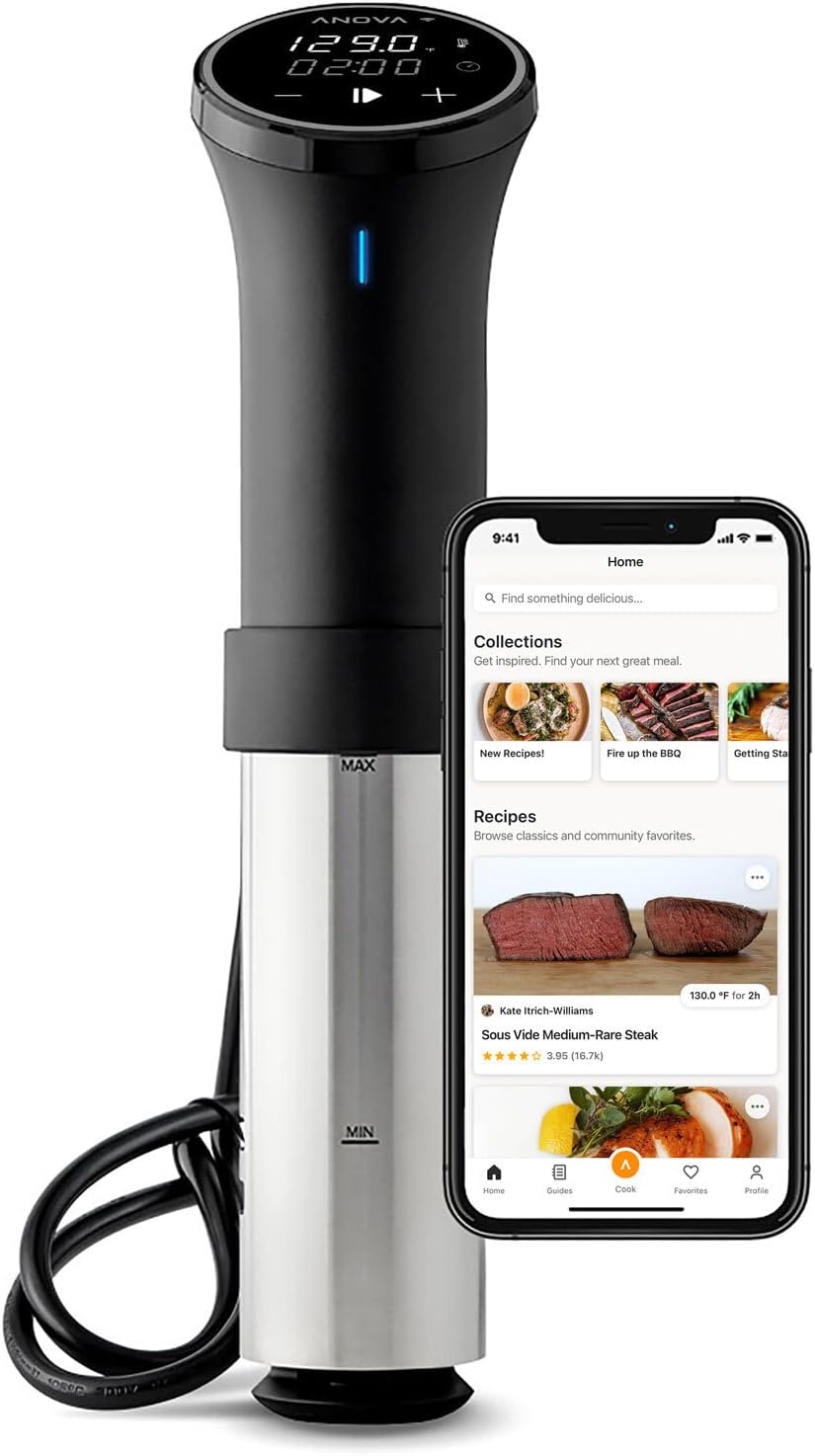
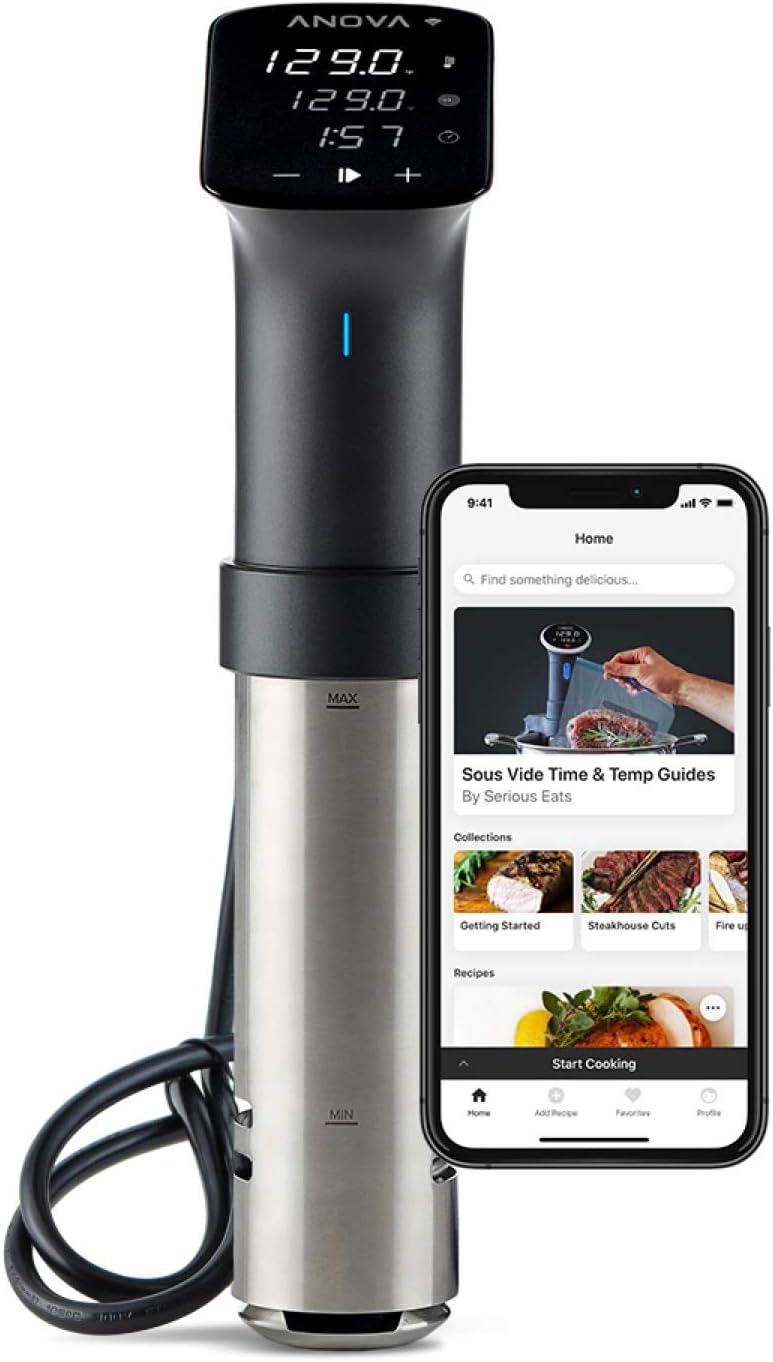
Control methods vary between physical dials, touch screens, and companion smartphone applications connected via wireless networks. Physical dials and touch screens allow immediate adjustments right at the counter without requiring external devices or accounts.
App-enabled circulators provide remote monitoring and access to preset recipes directly from mobile phones. Choosing between manual interfaces and connected software depends entirely on your personal preference for managing cooking parameters.
Assessing Physical Dimensions and Clearance
Physical dimensions such as depth, width, and overall height dictate how the device attaches to various pots and storage spaces. Taller circulators require adequate vertical clearance above your cooking area and sufficient depth to meet minimum water lines.
Compact models fit more easily inside standard kitchen drawers and smaller pots, making them convenient for limited storage areas. Checking the physical measurements beforehand ensures compatibility with your existing cookware collection.
Reviewing Circulator Construction Materials
Construction materials affect durability, heat retention, and ease of cleaning after finishing a meal preparation session. Stainless steel lower skirts and columns resist rust and withstand frequent immersion in heated water baths over long periods.
Many modern units feature detachable lower sleeves that twist off quickly for washing by hand or in a dishwasher. Selecting corrosion-resistant materials simplifies routine maintenance and helps preserve the appearance of the appliance.
Monitoring Noise Levels and Safety Features
Operating noise varies depending on the internal motor design, with brushless pumps offering exceptionally quiet performance below standard background sounds. Low noise output is particularly helpful during long multi-hour cooking cycles kept running overnight.
Built-in safety features like automatic low-water shutoff alarms and overheat protection help prevent damage if liquid levels drop too low. Verifying these protective mechanisms adds operational reassurance during unattended cooking tasks.
Frequently asked questions
What container types work best with an immersion circulator?
Most immersion circulators attach securely to standard metal pots, stainless steel stockpots, or specialized food-grade plastic containers using adjustable clamps. The primary requirement is that the vessel must be deep enough to satisfy the minimum water line marked on the device while leaving enough room to submerge your sealed food bags completely without overflowing the rim.
Do I need a smartphone app to operate a sous vide machine?
A smartphone application is not required for all models, as many circulators feature onboard touch screens or physical control dials for setting temperature and time directly. App connectivity is entirely optional for users who prefer remote monitoring and digital recipe libraries, while manual models function completely independently without network pairing or accounts.
How do I clean and maintain a thermal immersion circulator?
Maintenance typically involves detaching the removable stainless steel skirt or lower sleeve after the unit cools completely. Many manufacturers design these lower components to be washed by hand or placed safely in a dishwasher, while the upper housing containing electrical parts should only be wiped down with a damp cloth according to manual instructions.
What is the purpose of the minimum and maximum water fill lines?
Fill lines stamped onto the body of the circulator indicate the safe operating range for liquid immersion. The water level must stay above the minimum line so the heating element and water pump function correctly, and stay below the maximum line to prevent liquid from splashing into internal electrical components during active circulation.
Can an immersion circulator run continuously for long cooking times?
Many immersion circulators are engineered to run continuously for extended periods, supporting long cooking schedules that span multiple hours or days for specific recipes. Reviewing the product specifications helps confirm that the motor and heating element are built to handle prolonged operation safely without overheating or experiencing performance drops.