Appliances · Buying Guide
Best Sous Vide Machine Choices for Home Kitchens
Precision water ovens and immersion circulators have completely transformed how modern home kitchens handle meats, vegetables, and delicate proteins. By locking in natural moisture through a steady thermal bath, these immersion heating devices take the guesswork out of achieving consistent, predictable textures right on your countertop without ever risking overcooking your favorite weekly family meals.
Finding the right circulator involves carefully balancing heating wattage, maximum container capacity, and personal control preferences. Whether you prefer advanced smartphone app connectivity with guided recipes or a simple physical manual dial, our curated product selection highlights top models designed to match diverse everyday cooking styles and household kitchen storage configurations.
As an Amazon Associate, StacyLaughs earns from qualifying purchases.
Buying guide
Heating Wattage and Power
Choosing the correct heating wattage determines how quickly your water bath reaches target cooking temperatures. Immersion devices generally range from one thousand watts for standard family meals up to sixteen hundred watts for heavy-duty commercial demands. Higher wattage heats larger volumes much faster, saving precious preparation time when cooking large cuts of meat or preparing meals for big groups of dinner guests.
Carefully consider your typical batch size and container dimensions when evaluating these power ratings. Standard home pots require moderate electrical output, while massive fifty-liter commercial containers need robust heating elements to maintain stable, edge-to-edge thermal precision without experiencing significant heat loss during long multi-hour cooking sessions.
Water Bath Capacity
Matching the immersion circulator capacity rating to your cooking vessels prevents uneven heating and thermal strain on the internal heating element. Smaller circulators efficiently manage fifteen to sixteen liters of water, making them ideal for everyday home use with standard kitchen stockpots or dedicated plastic tubs for family dinners.
Larger commercial models easily handle fifty to sixty liters of water when paired with insulated or covered containers for massive cooking batches. Always ensure your chosen vessel accommodates the minimum and maximum water fill lines clearly marked on the appliance housing to prevent automatic safety shutoffs or operational errors during long cooking cycles.
Control Interface Options
Control methods vary widely from straightforward manual physical dials to advanced smartphone applications featuring comprehensive wireless connectivity options. Manual interfaces let you twist and press directly on the device housing, offering immediate operation without ever relying on wireless home networks, software updates, or online user accounts for everyday home cooking tasks.
App-enabled models provide convenient remote monitoring, customizable timer alerts, and access to curated guided recipes directly from your mobile devices anywhere inside the home. Choose carefully based on whether you prefer interacting directly with countertop hardware or tracking cooking progress from another room via wireless signals during busy kitchen routines.
Maintenance and Cleaning
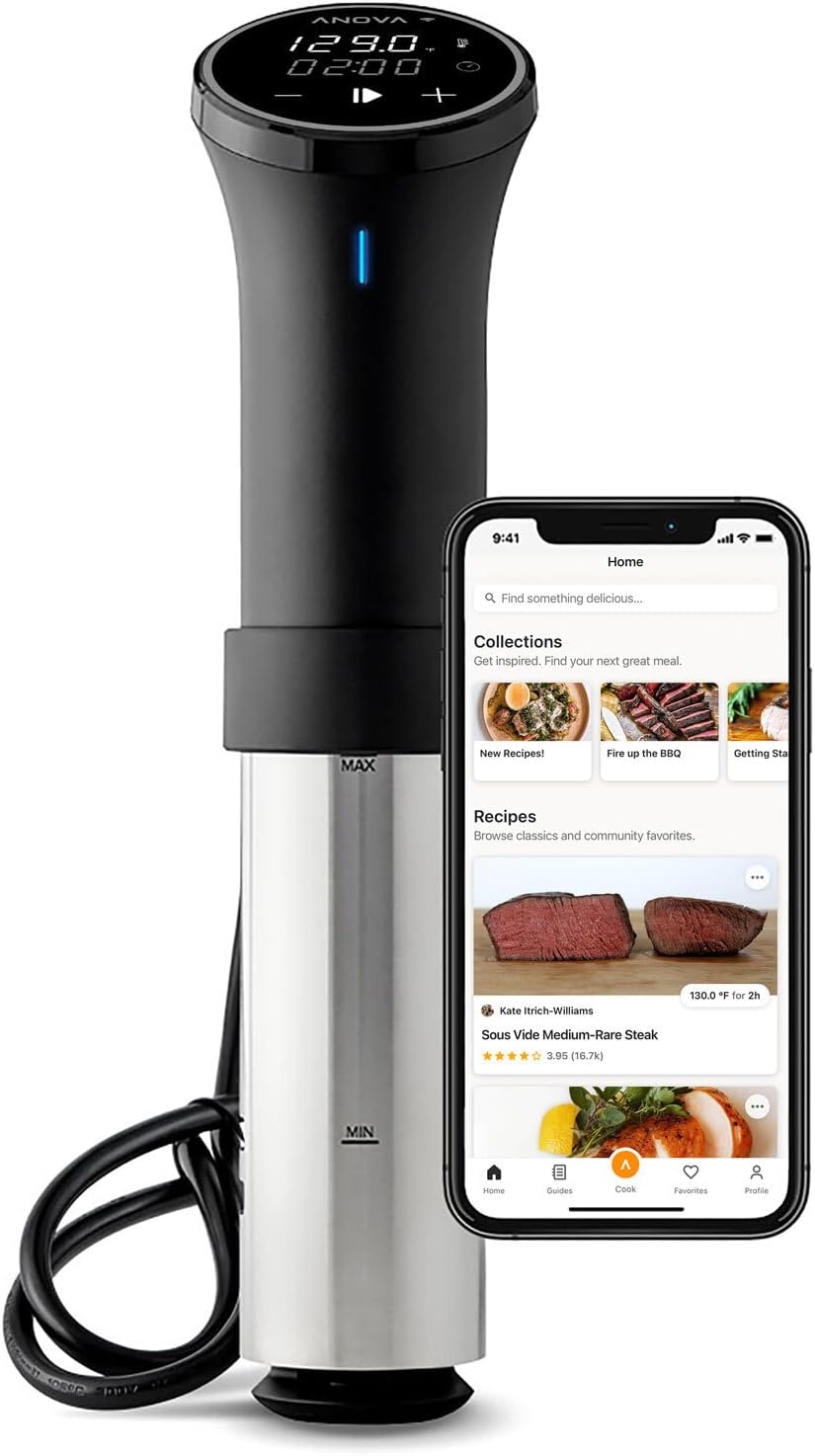
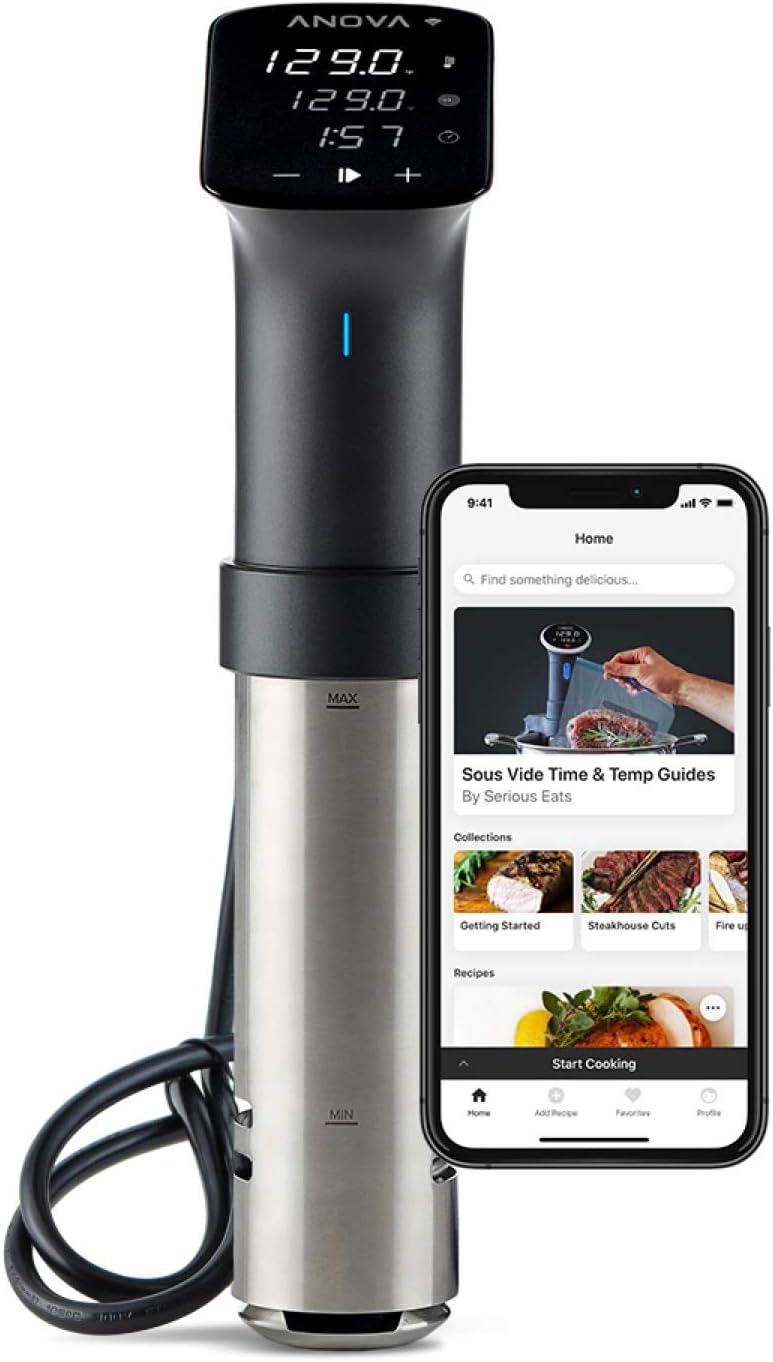
Keeping your immersion circulator clean ensures long-term operational longevity and hygienic food preparation routines in your busy home kitchen. Most modern models feature a detachable stainless steel skirt or lower housing that twists off easily for thorough manual washing or convenient placement in a household dishwasher after dinner finishes successfully.
Regularly rinsing the submerged metal column prevents mineral and calcium buildup derived from hard tap water over extended use periods. Always follow specific manufacturer guidelines regarding cleaning frequency and avoid submerging electronic upper display components to protect internal circuits from accidental water damage during routine maintenance chores and seasonal storage.
Safety and Water Level Safeguards
Modern immersion circulators incorporate essential safety mechanisms, such as low-water auto-shutoff sensors that trigger immediate audible alarms if water levels drop below the designated minimum indicator line marked on the shaft during operation. This crucial feature prevents overheating damage to the internal heating element when liquid evaporates during extended multi-hour cooking sessions.
Built-in thermal protections and multi-colored status indicator lights help monitor appliance operation safely from across the counter without constant physical hovering by the cook. Paying close attention to these integrated safeguards ensures your equipment operates reliably without posing unexpected safety hazards in busy residential kitchen environments over extended daily use.
Noise Levels and Motor Design
The acoustic footprint of your immersion circulator matters significantly, especially if your kitchen opens directly into family living areas in your house. Models equipped with brushless motors or advanced pump structures operate remarkably quietly, often staying well below forty decibels during continuous water circulation and active heating tasks throughout the entire residential home environment.
Quiet operation ensures the appliance will never interrupt family conversations, television viewing, or normal household routines while running overnight or during lengthy weekend meal preparation tasks. Reviewing motor specifications carefully helps select a peaceful circulator tailored for modern open-concept homes where noise control is highly appreciated by all residents.
Frequently asked questions
Do I need a special container to use a sous vide machine?
You do not necessarily need a specialized container, as most immersion circulators feature adjustable clamps designed to fit standard kitchen stockpots you likely already own. However, many home cooks prefer dedicated plastic tubs or insulated containers because they offer greater water capacity and better thermal retention during long cooking cycles. If you choose to use your existing pots, ensure the vessel is deep enough to meet the minimum water fill lines indicated on the device while leaving enough clearance for your sealed food bags.
Can I operate a sous vide circulator without Wi-Fi or a smartphone?
Yes, several immersion circulators are specifically designed for manual operation without requiring Wi-Fi networks, smartphone applications, Bluetooth pairing, or user accounts. These models typically utilize physical dials or touch screens directly on the device housing, allowing you to set time and temperature parameters quickly right from your kitchen counter. While app-enabled models offer remote monitoring and digital recipe libraries, manual circulators provide a straightforward, hassle-free cooking experience for users who prefer keeping their kitchen routine entirely offline and independent of wireless devices.
How do I clean and maintain my sous vide immersion circulator?
Cleaning your immersion circulator is generally straightforward because most models feature a detachable stainless steel skirt or lower housing that twists off effortlessly. You can wash this removable sleeve by hand with soap and water or place it in the dishwasher depending on manufacturer instructions. It is important to regularly rinse the internal metal column to prevent mineral buildup from hard tap water. Always avoid submerging the upper electronic display housing in water to protect internal electrical components from moisture damage during maintenance.
What safety features should I look for in a sous vide machine?
Essential safety features include low-water auto-shutoff sensors that detect when water levels fall below the minimum operational line on the device shaft. When triggered, these sensors automatically stop the heating element and sound an audible alarm to prevent overheating and potential equipment damage. Additionally, built-in thermal protections and status indicator lights help you monitor the appliance status from across the room. These integrated safety safeguards provide peace of mind during unattended multi-hour cooking sessions for meats and roasts.
How does water circulation affect cooking consistency?
Continuous water circulation is fundamental to achieving edge-to-edge cooking consistency because it keeps heated water moving steadily throughout the entire container and around your sealed food bags. Without proper circulation, hot and cold spots can develop in the water bath, leading to unevenly cooked proteins. Advanced models utilize 360-degree water flow or powerful brushless motor pumps to distribute thermal energy evenly. This constant movement ensures that every item in the bath receives identical heat exposure for precise, predictable results every single time.