Appliances · Buying Guide
Best Sous Vide Circulators for Precise Home and Commercial Cooking
Cooking meats, vegetables, and other delicate ingredients to exact target temperatures requires reliable thermal immersion circulators designed for standard pots and large containers. Water bath cooking has steadily evolved from professional restaurant kitchens into everyday home setups, giving home cooks steady heat control without the risk of overcooking sensitive proteins.
Selecting the right immersion circulator depends directly on your available container capacity, preferred connectivity choices, and required wattage levels. Whether you prefer a straightforward manual control dial or remote smartphone app monitoring, examining the physical attributes, power outputs, and water volume ratings of each machine helps match your kitchen setup accurately and effectively for daily use across various recipes.
As an Amazon Associate, StacyLaughs earns from qualifying purchases.
Buying guide
Wattage and Heating Speed
Wattage dictates how quickly an immersion circulator brings cold water up to your precise target cooking temperature. Higher wattage models, such as 1200W or 1600W units, heat large volumes much faster than standard 1000W or 1100W devices. Selecting the appropriate wattage depends heavily on whether you routinely cook in oversized containers or standard kitchen pots.
Evaluating your typical batch size helps determine your exact power requirements for everyday meal preparation. While lower-wattage circulators easily handle standard family meals, high-output heaters reduce waiting times significantly when managing deep pots or commercial cooking vessels. Matching power output to your usual cooking habits ensures efficient thermal performance without causing unnecessary electrical strain on kitchen circuits.
Container Capacity and Volume
Container capacity specifies the maximum volume of water a thermal immersion circulator can effectively heat and circulate. Home models typically support 15 to 16 liters, fitting standard pots found in most household kitchens comfortably. Commercial or heavy-duty units can manage up to 60 or 100 liters of water when paired with appropriately sized covered containers.
Choosing the correct capacity rating prevents overloading the internal heating element and ensures completely even temperature distribution around your vacuum-sealed food bags. If you only prepare meals for a small household, standard pots and lower capacity circulators are entirely sufficient. Hosting larger gatherings requires matching high-volume circulators with dedicated tubs to maintain steady thermal consistency.
Control Methods and Connectivity
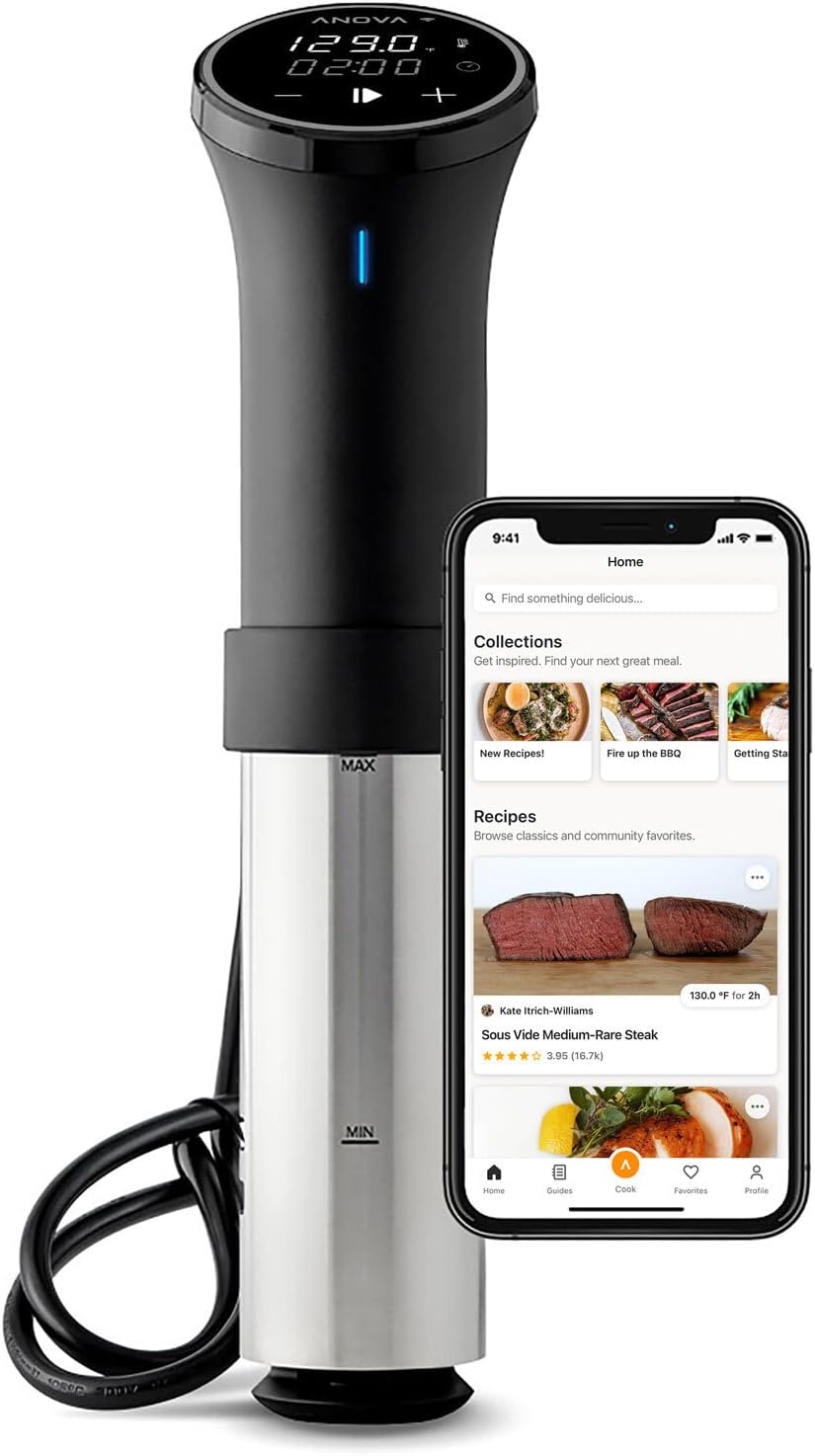
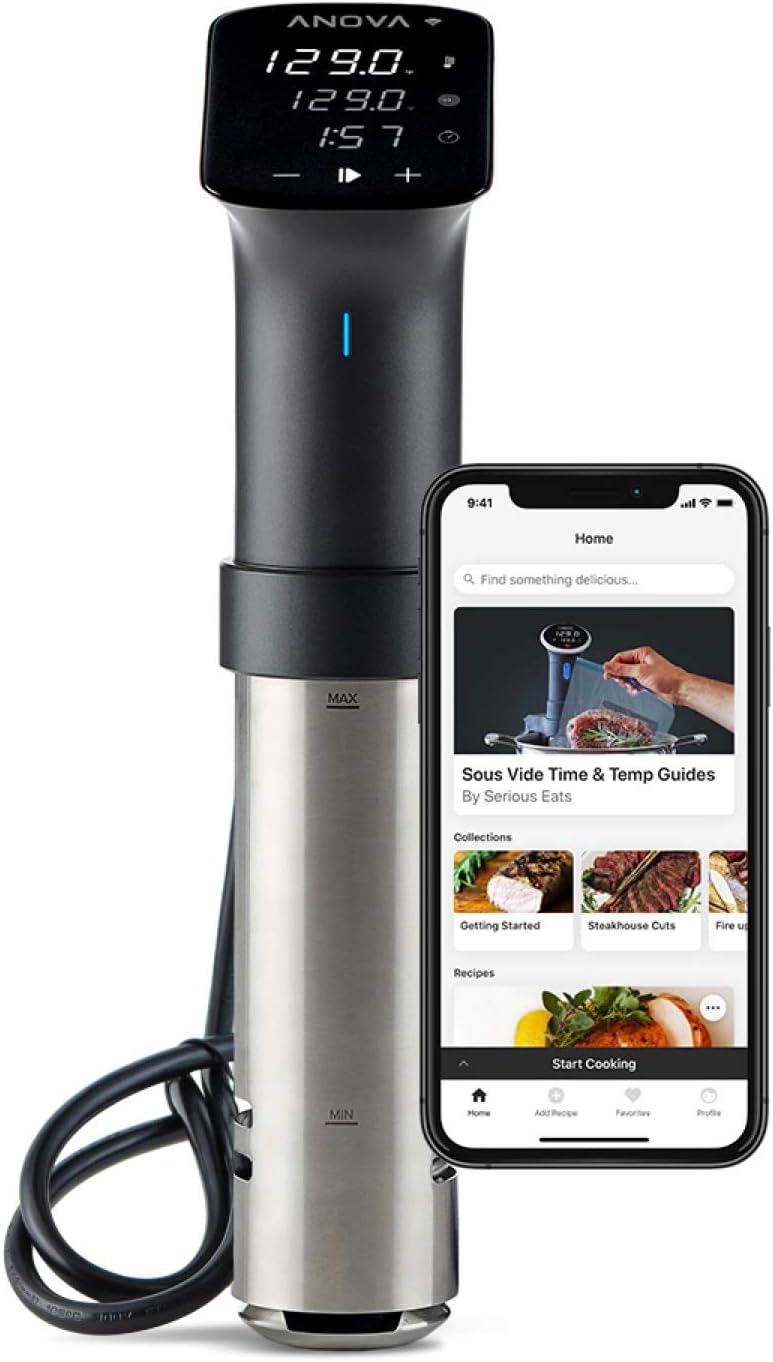
Control methods range from physical touch screens and manual twist dials to advanced smartphone applications operating smoothly over wireless local networks. App-enabled circulators let you monitor cooking progress remotely, receive mobile alerts, and access guided chef-grade recipes from anywhere inside your home without hovering over the kitchen pot constantly during long cooking sessions.
Manual control models rely on direct physical interaction using dedicated dials and bright LED screens, completely eliminating any need for wireless network pairing or user accounts. Deciding between connected smart models and offline manual units depends entirely on your personal preference for remote smartphone monitoring versus straightforward, app-free kitchen counter operation.
Temperature Precision and Calibration
Temperature precision determines how closely a thermal immersion circulator maintains your set target, with many quality models offering tight fraction-of-a-degree adjustments for optimal control. Fine-tuning temperature increments allows you to achieve exact degrees for delicate items like soft eggs or specific steak doneness levels without ever risking accidental overcooking during long hours.
Built-in calibration features let home cooks fine-tune the device temperature reading directly against a trusted standalone thermometer for maximum cooking accuracy. Verifying and adjusting temperature readouts gives you complete confidence that your circulating water bath matches the intended recipe specifications precisely from start to finish across every single cooking session.
Build Materials and Waterproofing
Build materials significantly impact the overall durability and long-term longevity of your immersion circulator during regular kitchen use and storage. Stainless steel components and food-safe construction ensure robust rust resistance and dependable wear protection when submerged in hot water baths repeatedly over years of dedicated meal preparation service in your home kitchen.
Waterproof ratings, such as official IPX-7 certifications, provide essential added protection against accidental water splashes or complete submersion mishaps in busy kitchen environments. Choosing models with sturdy metal housings and high waterproof ratings ensures reliable, safe performance even when heavy steam and dense condensation surround your main cooking station every single day.
Maintenance and Cleaning Options
Maintaining your sous vide circulator involves regular cleaning of the removable lower skirt or stainless steel housing after your cooking sessions are complete. Many modern circulators feature twist-off lower sleeves that rinse clean quickly under running water or fit safely inside a standard household dishwasher for effortless daily upkeep routines and long-term care.
Following manufacturer maintenance guidance keeps internal heating elements free from mineral buildup and ensures smooth, unobstructed water circulation over time. Simple detachable housing designs make post-cooking cleanup remarkably straightforward, allowing you to pack away your equipment neatly without ever spending excessive time scrubbing complicated parts or internal mechanisms after dinner is served.
Frequently asked questions
Do I need a smartphone app to use a sous vide circulator?
Not all sous vide circulators require a smartphone app. Several models, such as the Greater Goods Sous Vide Cooker, are designed specifically for offline operation using physical dials and built-in LED screens without requiring Wi-Fi, Bluetooth, user accounts, or mobile device pairing. However, other machines offer Wi-Fi connectivity and dedicated mobile applications to let you monitor cooking progress remotely, receive alerts, and browse preset recipes from your phone. Choosing between app-enabled and manual models depends entirely on whether you prefer wireless smartphone control or straightforward, app-free kitchen counter operation.
How do I clean and maintain my immersion circulator?
Cleaning and maintaining an immersion circulator is generally straightforward thanks to removable stainless steel skirts or lower housings found on many models. After letting the device cool down completely, you can detach the lower sleeve and wash it by hand or place it in the dishwasher if supported by the manufacturer guidelines. To prevent mineral buildup on internal heating elements over time, following specific manufacturer maintenance instructions is recommended. Keeping the housing clean ensures unobstructed water circulation and helps maintain optimal heating performance across all your future cooking sessions.
What size container do I need for sous vide cooking?
The required container size depends entirely on the capacity rating of your specific immersion circulator and the volume of food you plan to prepare. Standard home circulators typically handle water baths up to 15 or 16 liters, fitting comfortably inside standard kitchen pots that meet minimum depth requirements. If you are cooking for large gatherings or using high-power commercial circulators rated for 60 to 100 liters, you will need larger dedicated tubs or covered containers. Always verify the minimum and maximum water fill lines marked on the device before starting.
Can I adjust temperature settings during the cooking process?
Yes, you can adjust temperature and time settings while the cooking process is underway, depending on the specific model you are using. Many circulators allow you to modify your target temperature or timer directly on the device controls or through a connected mobile app without resetting the entire clock. This flexibility lets you adapt recipes on the fly if needed. Reviewing the control interface features of your chosen machine helps confirm how easily you can tweak parameters while water is actively circulating and heating your food.
What safety features should I look for in a sous vide machine?
Important safety features to look for include low-water alerts and automatic shut-off protections. If the water level in your pot drops below the designated minimum line during a long cooking session, safety mechanisms will automatically stop heating and trigger audible or visual alarms to prevent damage. Additionally, waterproof ratings like IPX-7 provide protection against accidental splashes or immersion mishaps in busy kitchen environments. Checking for these built-in safeguards ensures reliable, worry-free operation while preparing meals in your home kitchen or commercial workspace.