Appliances · Buying Guide
Best sous vide steak machine options for perfect medium-rare dinners
Cooking a restaurant-quality meal at home often feels intimidating, especially when aiming for an exact medium-rare temperature on expensive cuts of meat. A reliable sous vide steak machine simplifies this culinary process by circulating heated water precisely around vacuum-sealed ingredients, ensuring edge-to-edge even cooking every single time you prepare dinner for family and friends.
Whether you prefer simple manual controls or advanced remote operation through a wireless application, these immersion circulators take the guesswork out of daily meal preparation across your kitchen. By maintaining steady temperatures in standard kitchen pots, these versatile devices help home cooks achieve tender, juicy results without constant monitoring, complex setups, or accidental overcooking during busy evenings.
As an Amazon Associate, StacyLaughs earns from qualifying purchases.
Buying guide
Heating Power and Tank Capacity
When selecting a sous vide device, understanding the relationship between wattage and water volume is essential for achieving consistent culinary results. Units typically range from 1000 to 1100 watts, providing adequate electrical energy to heat water baths efficiently. Higher wattage ratings help bring large volumes of liquid to target temperatures much faster, reducing preparation delays in busy home kitchens.
However, each immersion circulator specifies a strict maximum water capacity, usually ranging between 12 and 16 liters depending on the model design. Exceeding this stated limit forces the internal heating element to work harder, leading to uneven temperature distribution across the container. Matching your cooker power rating to your typical meal portion sizes ensures reliable thermal stability.
Control Interfaces and Connectivity
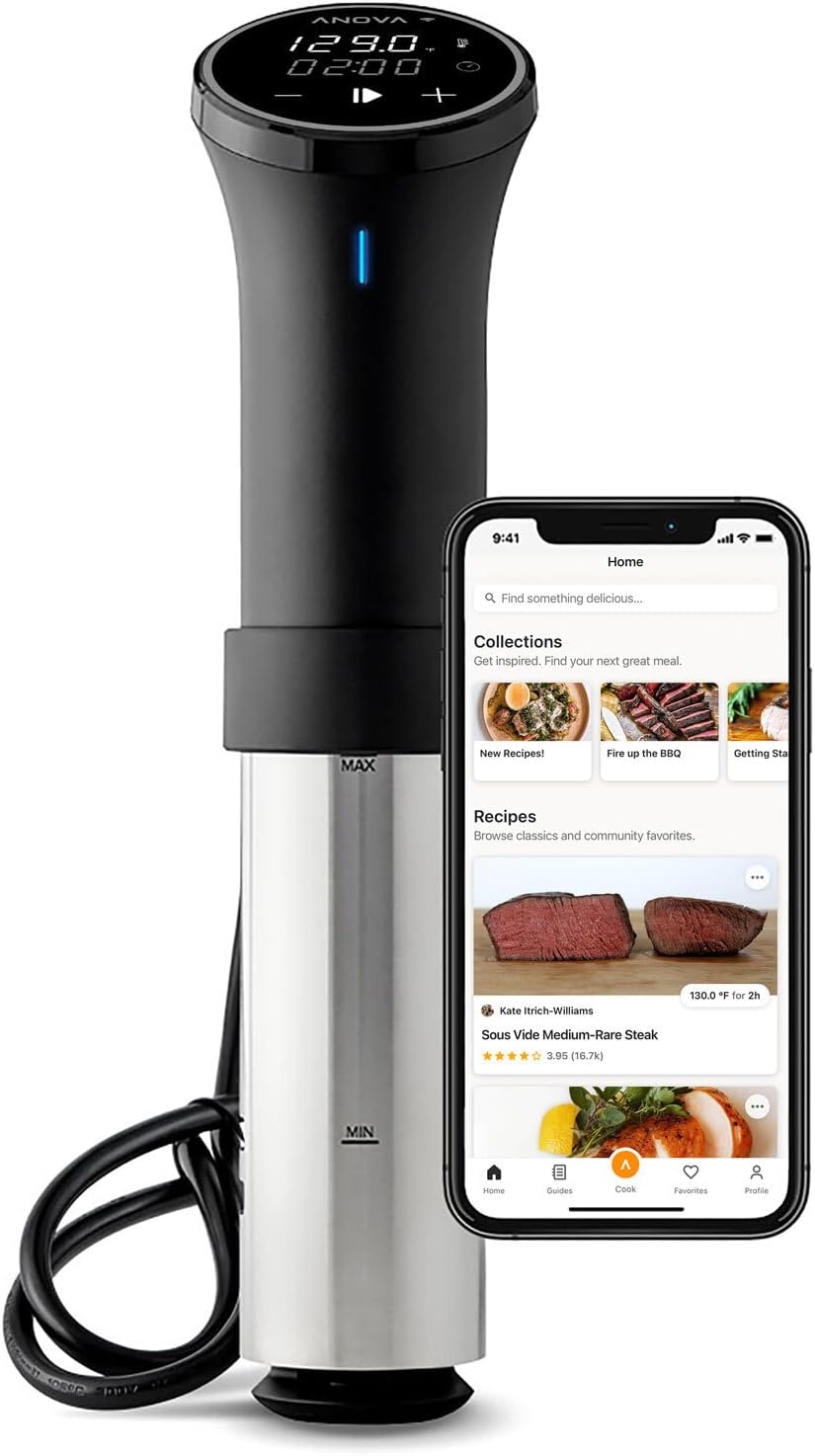
Modern sous vide cookers offer distinctly different methods for managing time and temperature settings during routine meal preparation. Some models feature physical dials and touch screen panels mounted directly on the device housing, allowing for immediate local adjustments without complex setup procedures, passwords, or digital accounts.
Other appliances integrate wireless capabilities, such as Bluetooth or dual-band Wi-Fi, enabling remote monitoring through dedicated smartphone applications. While wireless connectivity lets you check cooking progress from another room, it introduces network pairing requirements and potential app dependencies. Buyers must carefully decide whether straightforward local touch controls or app-guided remote flexibility better suits their everyday kitchen habits and technical preferences.
Temperature Range and Precision
Precision is the defining characteristic of immersion circulator cooking, allowing users to maintain exact water temperatures for delicate proteins like steak, fish, and poultry. Most consumer units support adjustable ranges spanning from near-freezing up to approximately two hundred degrees Fahrenheit, adjustable in fine increments like half-degree or tenth-degree steps to lock in perfect meat texture and moisture.
Some advanced models also include built-in calibration features, enabling home cooks to fine-tune temperature readings against a trusted standalone kitchen thermometer for absolute accuracy. Evaluating your preferred cooking recipes helps determine if you need wide temperature spans for specialty foods or standard calibration tools for achieving ultimate culinary precision during weekly meal prep sessions.
Mounting and Pot Compatibility
An immersion circulator must attach securely to a cooking vessel to operate safely throughout long hours of continuous water circulation and heating processes. Most machines use an adjustable clip or clamp mechanism designed to grip the sidewalls of standard pots, heavy stockpots, or specialized plastic cooking containers without shifting position during active heating cycles.
Checking the specific depth requirements of your chosen cooker ensures it properly meets the minimum and maximum water fill lines marked on the metal housing. Selecting a versatile mounting bracket prevents slipping during operation and accommodates both round pots and square containers already present in your kitchen cabinet collection for maximum practical convenience and stability.
Maintenance and Cleaning
Regular cleaning helps maintain the optimal performance and longevity of a thermal immersion circulator after preparing marinated meats, poultry, or seasoned dishes. Many modern units feature a removable stainless steel skirt or housing that detaches easily with a simple twist, allowing users to rinse internal components or wash them safely in a household dishwasher without hassle.
Following manufacturer guidelines for routine maintenance prevents mineral buildup and protects the internal heating elements from stubborn residue accumulation over time. Keeping the stainless steel column and pump housing spotless ensures unobstructed water flow and whisper-quiet motor operation during every subsequent cooking session in your home kitchen environment for years.
Included Accessories and Kits
Purchasing a sous vide bundle that includes complementary accessories can greatly simplify the initial setup process for beginners entering this precision cooking style. Some packages arrive fully equipped with durable vacuum seal bags, manual sealing pumps, sealing clips, and dedicated storage bags to keep all components neatly organized between busy weekend family meals.
Other complete kits provide specialized lids designed to fit standard cooking containers, effectively trapping moisture and significantly reducing liquid evaporation during extended multi-hour braising sessions. Carefully evaluating whether bundled accessories match your specific cooking habits helps determine if an all-in-one package offers superior practical value than purchasing a standalone circulator unit by itself.
Frequently asked questions
Do I need a special pot to use a sous vide cooker?
Most immersion circulators are designed with adjustable clips or clamps that attach securely to standard kitchen pots, heavy stockpots, or specialized plastic containers you may already own. As long as your container is deep enough to meet the minimum water fill line and wide enough to accommodate your food bags, you do not necessarily need a specialized vessel. However, checking your circulator's depth compatibility before cooking ensures a proper fit and safe water circulation during operation.
Can I operate a sous vide machine without Wi-Fi or a smartphone?
Yes, several sous vide machines operate entirely offline using physical dials, push buttons, and onboard digital touch screens. Models designed without Wi-Fi connectivity allow you to set your desired time and temperature directly on the device housing without needing to download mobile applications, create user accounts, or pair wireless networks. This makes them straightforward to use right out of the box for cooks who prefer traditional, screen-based local appliance controls.
How do I clean and maintain my sous vide circulator?
Cleaning an immersion circulator is generally straightforward, as many models feature a detachable stainless steel skirt or housing on the lower half. You can twist off this lower section to wash it by hand or place it in the dishwasher according to manufacturer guidelines. Regularly rinsing and wiping down the stainless steel column prevents mineral scale accumulation from heated water baths, keeping the internal pump running quietly and efficiently for future meals.
What is the purpose of vacuum sealing bags for sous vide cooking?
Vacuum sealing food bags removes excess air and tightly encloses your ingredients, allowing them to submerge fully in the heated water bath without floating. This enclosed cooking method ensures direct thermal transfer from every direction around the food while preventing liquid spills, splatters, and food odors in your kitchen. Whether you use pre-packaged bags included in a starter kit or standard sealing rolls, bagged preparation locks in natural juices and moisture.
How does water capacity affect sous vide cooking performance?
Water capacity ratings indicate the maximum volume of liquid that a specific immersion circulator can heat and circulate effectively while maintaining a steady temperature. If you attempt to heat a water bath that exceeds the manufacturer specified capacity, the heating element may struggle to maintain consistent thermal distribution, leading to uneven cooking across your food. Matching the circulator power and capacity to your container size ensures reliable, edge-to-edge cooking results every time.