Appliances · Buying Guide
Best Sous Vide Vacuum Bags for Every Meal Prep and Sealing Need
Choosing the right sous vide vacuum bags helps keep your ingredients fresh, prevents freezer burn, and ensures even cooking in a water bath. Whether you are prepping meats for the week, storing garden vegetables, or freezing bulk purchases, different bag types offer distinct practical advantages depending on your kitchen setup and desktop or manual sealer equipment.
From pre-cut varieties that save cutting time to customizable rolls and reusable kits complete with a hand pump, matching your storage method to your routine is essential. Reviewing the available materials, dimensions, and machine compatibility options makes it easier to select a reliable vacuum storage solution for your household food preservation needs.
As an Amazon Associate, StacyLaughs earns from qualifying purchases.
Buying guide
Material Composition and Thickness
When selecting vacuum storage bags, examining material composition ensures food safety and durability. Quality options combine polyethylene and polyamide layers to create a strong barrier against moisture and air. Thickness ratings measured in mils determine how well plastic resists punctures from sharp bone edges. Selecting multilayer materials prevents microscopic tears that could compromise seals during long water bath cooking sessions.
Thicker options protect against freezer burn during extended storage periods. However, overly rigid plastics can sometimes prove difficult to align neatly within sealing channels. Balancing thickness with flexibility ensures the bag conforms closely to food contours. Checking for BPA-free certifications guarantees chemicals will not leach into meals during high-temperature sous vide cooking or microwave reheating.
Pre-Cut Bags Versus Customizable Rolls
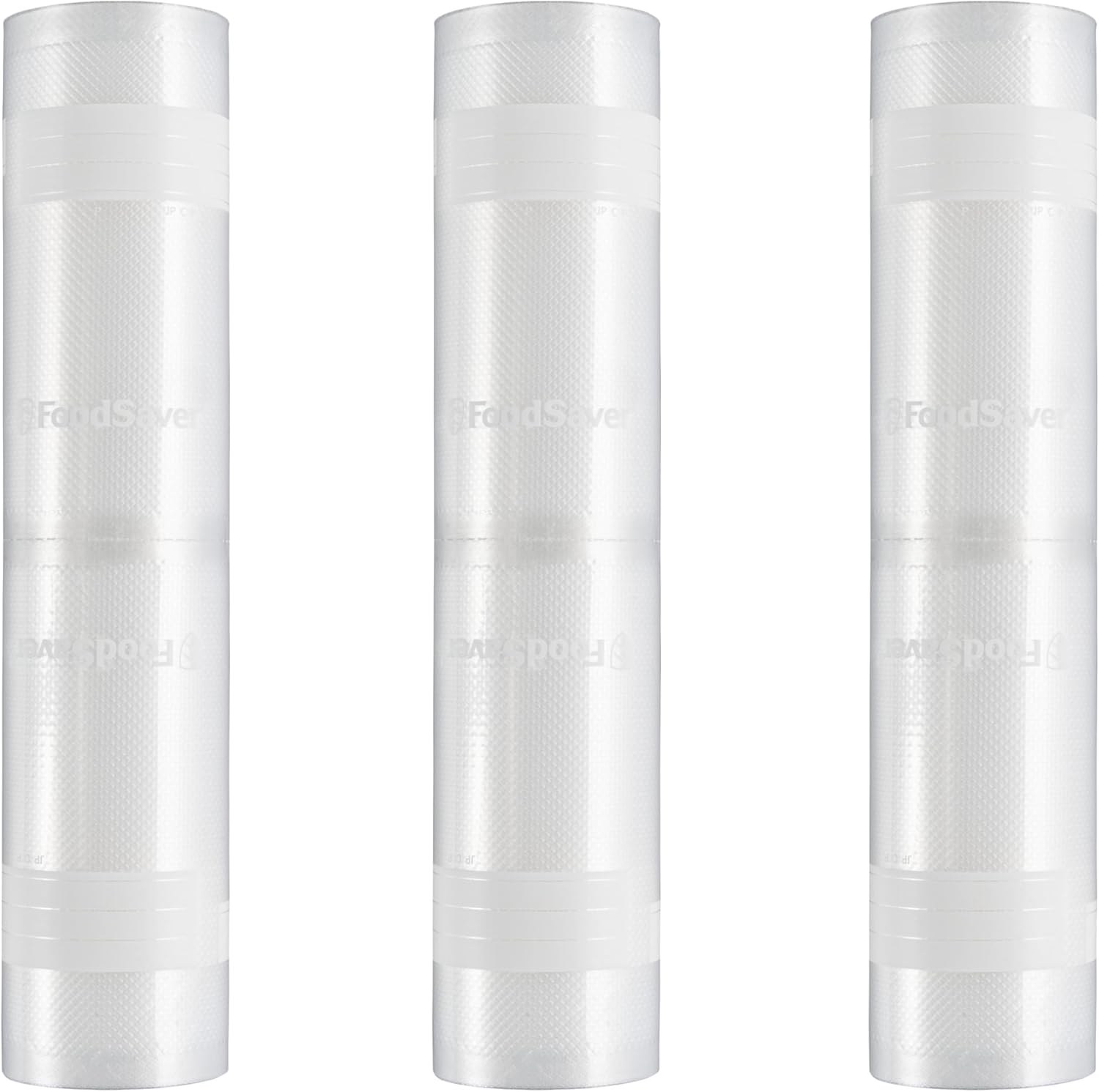
Deciding between pre-cut bags and continuous rolls depends on your cooking habits and the variety of food items you preserve. Pre-cut bags offer immediate convenience because they eliminate measuring and scissors work, letting you grab a pouch and start sealing instantly. They work exceptionally well when you routinely portion standardized meals, snacks, or single servings. However, they limit your flexibility if you need to seal unusually long fish fillets or oversized roasts.
Continuous rolls provide the ultimate versatility by letting you customize the exact length for every single food item. This capability significantly reduces plastic waste when packaging irregular shapes or varying quantities. The primary trade-off is the extra preparation step of cutting and sealing one end before packaging. Evaluating your typical kitchen tasks helps determine whether time-saving pre-cut pouches or adaptable rolls better suit your daily meal preparation routine.
Machine Compatibility and Sealing Mechanisms
Ensuring compatibility between your bags and vacuum sealing equipment is critical for achieving a reliable airtight closure. Traditional desktop sealers require textured or embossed bags with micro-channels that allow air to escape easily before the heating strip activates. Smooth surfaces on both sides often fail to evacuate air properly in automatic desktop machines. Reviewing machine requirements prevents frustrating sealing failures and wasted food materials during your meal prep sessions.
Handheld manual pumps rely on dedicated air valves built directly into the bag surface to extract air without electric motors. These valve bags are entirely incompatible with standard desktop sealing bars that melt or distort the plastic valve structure. Matching the bag style to your specific sealer type guarantees smooth operation. Always verify whether your chosen bags require textured channels or specialized valves before stocking your kitchen pantry.
Temperature Range and Cooking Versatility
Sous vide cooking requires vacuum bags that can withstand sustained heat in a water bath without degrading or releasing odors. High-quality food storage bags tolerate boiling temperatures safely while maintaining a tight seal around your ingredients. Checking the upper temperature rating is especially important for reusable bags that feature manual air valves and rubber seals. Selecting heat-stable plastics lets you transition ingredients directly from the freezer to a simmering pot.
Microwave heating and dishwasher cleaning also demand resilient bag construction to prevent warping or structural failure. Inferior plastics may melt or deform when exposed to high heat, ruining your meal and damaging your cookware. Investing in versatile materials ensures your bags handle freezing, boiling, and microwave reheating with equal reliability. Reviewing temperature limits protects your food investment and expands your overall cooking flexibility throughout the week.
Reusability and Environmental Considerations
Choosing between disposable and reusable vacuum bags involves balancing convenience against long-term environmental impact and maintenance effort. Disposable pre-cut bags and rolls offer effortless cleanup because you simply discard the plastic after a single use. This option saves significant time for busy households that process large quantities of meat and vegetables on hectic weeknights. However, relying entirely on single-use plastics generates substantial kitchen waste over time.
Reusable bags equipped with hand pumps and drying loops allow you to wash, dry, and use the same pouch across multiple cooking sessions. Hand washing with warm soapy water helps preserve the integrity of the zipper closure and air valve. While reusable systems demand extra effort for cleaning and maintenance, they drastically reduce plastic consumption. Weighing your willingness to wash bags against your desire for effortless cleanup guides your purchasing decision.
Storage Capacity and Size Selection
Selecting the appropriate bag dimensions prevents wasted material and ensures your ingredients fit comfortably inside the sealing zone. Quart-sized bags accommodate standard side dishes, chicken breasts, and individual portions of meat efficiently. Gallon sizes and wide rolls handle bulky roasts, whole poultry, or family-sized meal preparations with ease. Assessing your typical portion sizes prevents the frustration of discovering that a bag is too narrow or too short for your ingredients.
Storing bulk quantities of pre-cut bags also requires evaluating your available kitchen cabinet or pantry space. Large boxes containing hundreds of pieces take up considerable room compared to compact boxes of rolls. Matching your storage capacity needs with your available kitchen space ensures convenient access whenever meal prep time arrives. Thoughtful size selection streamlines your workflow and keeps your food preservation station organized and efficient.
Frequently asked questions
Can I use standard vacuum sealer bags for sous vide cooking?
Yes, most food-grade vacuum sealer bags are safe for sous vide cooking because they are crafted from heat-stable plastics designed to withstand boiling water temperatures. However, you should always check the manufacturer specifications to ensure the material is BPA-free and rated for high-heat immersion. Avoid using ordinary plastic storage bags that lack heat resistance, as they can melt or warp in hot water baths and potentially leach unwanted compounds into your food.
Do I need an electric machine to use reusable sous vide bags?
No, reusable sous vide bags that feature a built-in air valve typically come with a manual hand pump designed to extract air without an electric machine. You simply close the double zipper seal, place the pump tip over the designated valve area, and pull the handle until the air is removed. This cord-free method makes reusable valve bags convenient for travel, camping, or small kitchens where counter space is limited.
How do I prevent freezer burn when storing meat in vacuum bags?
Preventing freezer burn relies on achieving a complete, airtight seal that removes all excess oxygen and moisture from contact with the food. Using multilayer bags with textured channels ensures your desktop sealer extracts maximum air before applying a secure heat seal. Additionally, patting your meat dry with paper towels before sealing prevents excess moisture from interfering with the closure and helps protect the texture of your ingredients during long-term freezing.
Are continuous vacuum sealer rolls better than pre-cut bags?
Neither option is universally better, as each serves different cooking habits and storage needs. Continuous rolls are ideal if you frequently package irregularly shaped items, because you can cut the exact length required to eliminate plastic waste. Pre-cut bags offer superior convenience by saving time on measuring and scissors work when you are packaging standard portions. Your choice depends entirely on whether you prefer custom sizing flexibility or immediate, ready-to-use simplicity.
Can I wash and reuse standard disposable vacuum sealer bags?
Standard disposable vacuum sealer bags and rolls are generally designed for single use because cutting them open usually leaves the pouch too short for a second seal. Attempting to wash and reuse heat-sealed bags often results in awkward, undersized pouches that do not fit your sealer correctly. If you want a reusable option, look specifically for heavy-duty resealable bags featuring double zippers and air valves intended for multiple wash cycles.