Appliances · Buying Guide
Best Sous Vide With Rice Cooker Choices for Versatile Kitchens
Finding a versatile appliance that handles precise temperature cooking alongside everyday grains changes how meals come together in a busy home kitchen. Modern multi-cookers combine functions like precise water-bath cooking styles with traditional steaming, letting home cooks tackle everything from delicate proteins to daily side dishes in a single countertop footprint.
Reviewing available multi-cooker options helps clarify which specific appliance matches household cooking needs. Whether prioritizing rapid heat-up times, non-stick ceramic surfaces, or stainless steel vessels with easy-grip handles, these multi-functional devices offer dedicated digital programs designed to simplify daily meal preparation without cluttering spaces with single-use kitchen tools, ensuring reliable performance for all daily recipes.
As an Amazon Associate, StacyLaughs earns from qualifying purchases.
Buying guide
Capacity and Sizing
Choosing the right capacity depends heavily on household size and regular meal preparation habits. Most standard multi-cooker models offer six to six-and-a-half quart capacities, which easily feed families or accommodate multi-day batch cooking sessions. A six-quart vessel typically serves up to six people, while larger versions easily fit bulky ingredients like whole chickens without crowding the cooking chamber.
Larger capacities comfortably accommodate substantial cuts of meat, but they also demand more counter and storage space in your kitchen. Measuring cabinet clearances beforehand ensures the selected appliance fits neatly where intended without causing storage issues in tighter rooms, keeping your preparation area organized, accessible, and completely functional every single day.
Heating Power and Wattage
Wattage ratings dictate how quickly an appliance can build pressure and reach precise target temperatures for demanding cooking methods. Models equipped with robust 1200-watt heating systems deliver powerful performance that preheats faster compared to lower-wattage alternatives or traditional slow cooking devices. This extra electrical power directly improves searing efficiency and overall meal preparation speed.
Higher wattage ensures that water baths maintain steady temperatures and pressure builds rapidly, reducing overall wait times for grains, side dishes, and proteins. Evaluating your kitchen electrical setup ensures the circuit easily supports high-powered appliances alongside other common countertop gadgets without tripping breakers during heavy operation, protecting your home electrical system safely.
Inner Pot Materials
Inner pot construction significantly impacts both cooking results and daily cleanup routines across different multi-cooker models available on the retail market today. Stainless steel pots offer rugged durability and frequently include integrated handles for safe removal, though food may occasionally stick during high-heat searing tasks if not monitored closely by the user.
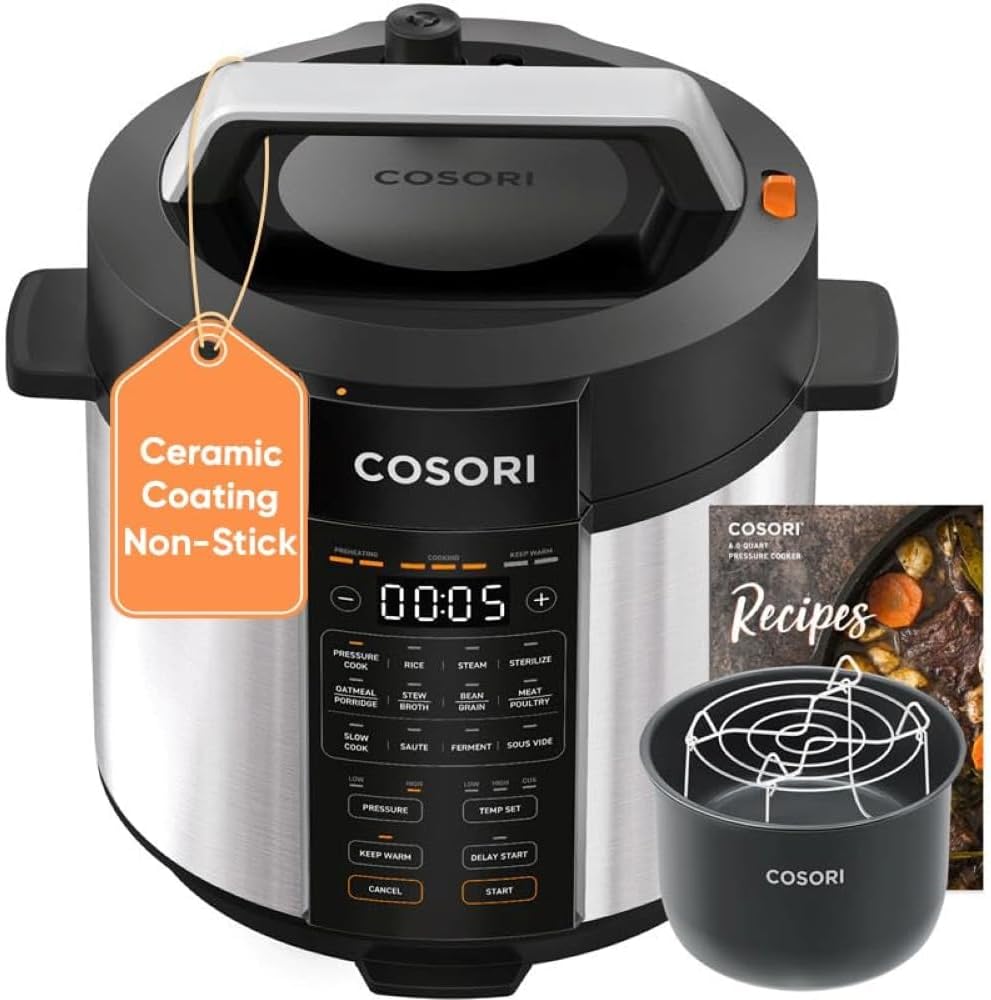
Ceramic nonstick pots provide an alternative coating surface that simplifies food release and wipe-down cleaning, making them ideal for sticky grains, delicate sauces, and quick post-meal maintenance. Reviewing these material differences helps you choose a pot that aligns with your preferred cooking styles and everyday kitchen maintenance preferences without experiencing any unnecessary cleaning frustration.
Steam Release Safety
Safe steam venting is an essential consideration when operating high-pressure kitchen appliances for daily family meals and large weekend gatherings. Modern multi-cooker designs incorporate thoughtful engineering upgrades, such as backward-angled steam release valves or protective diffusing covers, designed to direct hot vapor safely away from hands, arms, and surrounding kitchen cabinetry during operation.
Features like dedicated switch buttons positioned safely away from the primary release nozzle give users greater confidence during pressure reduction phases. Evaluating these safety mechanisms helps ensure a comfortable, secure cooking experience every time you prepare pressure-cooked recipes in your own home kitchen environment without experiencing unexpected steam exposure or difficult valve handling.
Function Variety (Sous Vide & Rice)
Combining multiple cooking modes in a single versatile countertop appliance saves valuable storage space and expands your daily recipe possibilities significantly across the entire week. Dedicated digital programs for sous vide cooking allow precise water-bath preparation for tender meats, while fast rice settings handle various grains in just a few minutes of cooking time.
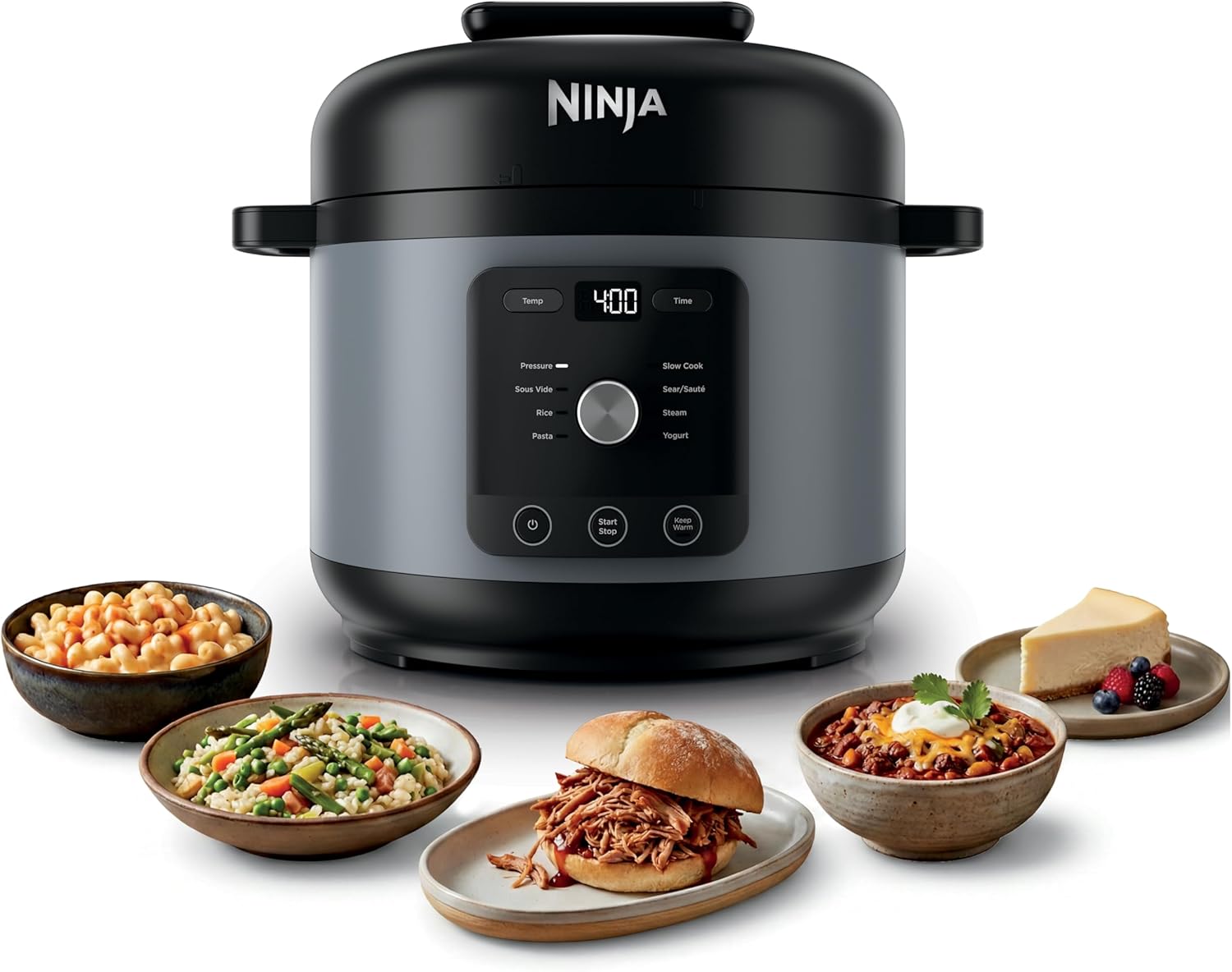
Having access to slow cooking, searing, steaming, and yogurt-making functions means you can transition smoothly between entirely different meal tasks using one machine. Assessing which preset options matter most to your household ensures you select a multi-cooker that fully meets your everyday cooking demands without introducing unnecessary kitchen counter clutter or extra equipment to store.
Cleanup and Maintenance
Keeping kitchen appliances clean should be straightforward, especially when dealing with busy everyday meal preparation routines and frequent cooking sessions throughout the week. Many modern multi-cooker designs feature dishwasher-safe lids, removable inner pots, and smooth housing exteriors that wipe down easily after cooking sessions finish, reducing post-meal chores for the household significantly.
Following manufacturer maintenance guidance ensures longevity and reliable performance from your heating base and sealing components over time. Selecting a model with easily accessible crevices and dishwasher-safe parts minimizes post-meal cleanup effort significantly, making daily kitchen upkeep much easier to manage for everyone involved in household cooking tasks every single day without hassle.
Frequently asked questions
Can these multi-cookers really replace a standalone rice cooker and sous vide machine?
Yes, these multi-cookers include dedicated digital programs specifically designed to handle efficient rice preparation and precise water-bath cooking alongside traditional pressure cooking and slow cooking modes. While dedicated standalone appliances are built exclusively for single tasks, these multi-functional units consolidate multiple kitchen tools into one footprint, saving valuable counter space while delivering reliable cooking results for grains and delicate proteins alike in everyday home kitchens without sacrificing performance.
How does the sous vide function work in these electric pressure cookers?
The sous vide function utilizes the appliance's internal heating element and sensitive temperature sensors to maintain a consistent, highly precise water temperature inside the cooking pot over an extended period. Users typically place vacuum-sealed ingredients into a water bath within the pot, allowing proteins, vegetables, or other foods to cook evenly at exact target temperatures without boiling, achieving tender textures similar to dedicated immersion circulators while using a single device.
What are the benefits of a ceramic nonstick inner pot versus stainless steel?
Ceramic nonstick inner pots offer a smooth coating that prevents foods like sticky grains, delicate sauces, and searing meats from adhering to the surface, simplifying post-meal cleanup and wipe-down maintenance routines. In contrast, stainless steel pots provide rugged, long-lasting durability and frequently include integrated handles for safe removal, though they may require closer attention during high-heat searing tasks to prevent food from sticking to the bare metal base.
How do high-wattage heating elements affect everyday cooking times?
High-wattage heating elements, such as robust 1200-watt systems, deliver more powerful thermal performance that preheats the appliance and builds pressure significantly faster than lower-wattage models or traditional slow cookers. This extra electrical power reduces the waiting time required to reach operating temperatures, allowing you to get weeknight meals, grains, and seared meats on the table much quicker during busy schedules without unnecessary delays throughout the week.
What safety features should I look for when releasing steam from a multi-cooker?
When releasing steam, look for appliances featuring backward-angled steam release valves or protective diffusing covers designed to direct hot vapor safely away from your hands, arms, and surrounding kitchen cabinets. Additionally, designs with dedicated switch buttons positioned well away from the primary release nozzle give you greater physical separation and control during pressure reduction phases, minimizing the risk of accidental steam exposure during daily cooking routines.