Appliances · Buying Guide
Best Stand Alone Induction Cooktop Options for Versatile Kitchen Cooking
Choosing a stand alone induction cooktop brings flexible cooking power right to your countertop, whether you are outfitting a small apartment kitchen, setting up an RV, or simply need an extra burner during holiday meal preparations. These portable appliances heat magnetic cookware directly through energy transfer, offering rapid boiling and responsive temperature adjustments without relying on traditional gas lines or built-in ranges.
Because these cooktops require compatible magnetic cookware like cast iron or specific stainless steel pots, they operate efficiently while keeping the surrounding cooktop surface cooler than standard electric burners. Ranging from single-element units with precise digital controls to dual-zone models designed for multi-dish cooking, finding the right standalone burner depends heavily on your available counter space, electrical setup, and daily cooking habits.
As an Amazon Associate, StacyLaughs earns from qualifying purchases.
Buying guide
Power Output and Electrical Requirements
Standalone induction cooktops typically operate on standard household electrical circuits, most commonly requiring 120 volts and 15 amps of power. Understanding your kitchen electrical capacity prevents tripped breakers when running high-wattage appliances alongside other household electronics. Many portable units reach up to 1800 watts, delivering rapid boiling capabilities and responsive heat adjustments comparable to traditional built-in stovetops.
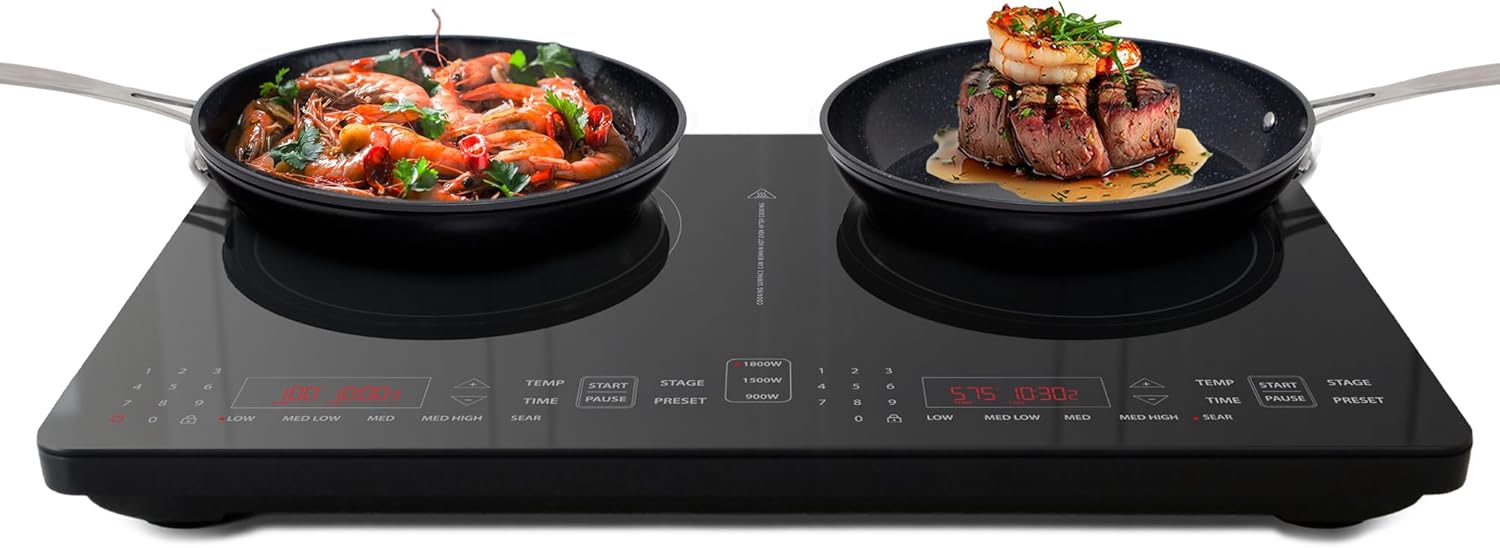
Dual-zone models often manage this power dynamically by sharing available wattage between active burners. When evaluating these appliances, check whether the unit allows manual wattage adjustments to fit older wiring setups safely. Ensuring your wall outlet matches the appliance specifications guarantees uninterrupted operation during heavy meal preparation sessions across multiple cooking zones without overloading domestic circuits.
Cookware Compatibility and Magnetic Bases
Induction cooking relies entirely on electromagnetic energy transfer, meaning the cooktop requires compatible magnetic cookware to generate heat. Pots and pans made from pure aluminum, copper, or glass will not function unless they feature a bonded magnetic stainless steel bottom or are cast entirely from iron. Checking your existing kitchen pots with a simple refrigerator magnet saves time before purchasing a new burner.
Additionally, manufacturers often specify minimum base diameter requirements, such as a five-inch width, to ensure the internal pan detection sensors register the cookware correctly. Selecting undersized pots can trigger automatic shut-off features, preventing the unit from heating. Investing in proper induction-ready cookware guarantees efficient energy conversion and consistent culinary results across all compatible dishes.
Temperature Control and Precision Settings
Precise thermal management separates basic countertop burners from advanced models. Many standalone cooktops offer numerous temperature increments, allowing users to dial in exact heat levels for delicate tasks like melting chocolate or simmering sauces. Units featuring digital probes take this accuracy a step further by monitoring internal food temperatures directly, ensuring consistent results for meats and complex liquids without constant manual oversight.
Reviewing the available temperature range helps match the appliance to your specific cooking habits. While standard models span up to 460°F or 500°F, higher-end units push limits further for specialized searing. Balancing these temperature increments with your preferred cooking styles ensures you get the exact level of control required for daily meal preparation.
Surface Materials and Cleaning Ease
Countertop induction burners typically feature ceramic glass or shatter-resistant glass cooking surfaces designed to handle thermal shock and heavy weights. Because the glass surrounding the magnetic field remains relatively cool during operation, spilled liquids are less likely to bake onto the surface compared to traditional radiant electric coils. This design characteristic simplifies daily cleanup after cooking messy meals.
Maintaining these glass tops requires letting the appliance cool completely before wiping it down with non-abrasive cloths and manufacturer-approved cleaners. Avoiding harsh scouring pads prevents scratches on the digital touch panel or glass surface. Prioritizing models with seamless edges or integrated touch interfaces also reduces food debris accumulation in crevices around the cooking zone.
Physical Dimensions and Countertop Footprint
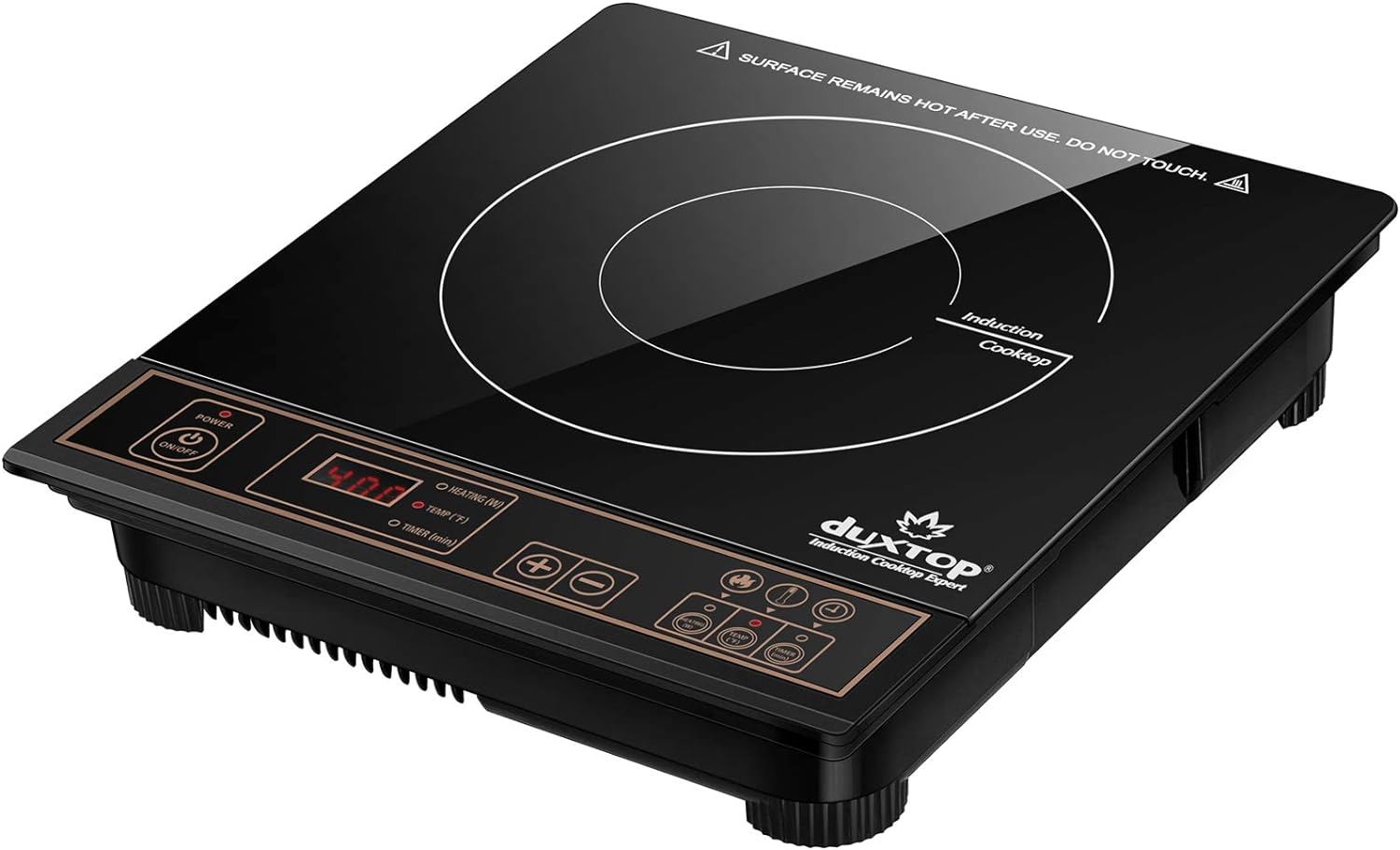
Assessing available counter space is essential before selecting a standalone induction cooktop. Single-burner models offer compact footprints that easily slip into crowded kitchens, RVs, or dorm rooms, and they store away effortlessly in standard cabinets when not in use. Dual-zone burners provide extra cooking capacity but demand a significantly wider countertop area to accommodate both heating elements safely side by side.
Weight capacity is another physical factor to evaluate, particularly if you plan to use heavy cast-iron skillets or large stockpots filled with liquids. Robust ceramic glass surfaces often support heavier cookware weights safely, preventing stability issues during vigorous stirring or rapid boiling. Matching the physical dimensions and weight limits to your kitchen setup ensures long-term usability.
Safety Features and Automatic Controls
Modern standalone induction cooktops integrate multiple safety mechanisms to protect users and property during active cooking. Auto-pan detection automatically shuts the heating element off within seconds if cookware is removed or if an incompatible pot is placed on the glass surface. Child safety locks also prevent accidental touch panel inputs, securing active timer and temperature settings from unintended changes by household members.
Built-in timers ranging from short countdowns to extended multi-hour durations offer reliable oversight for simmering broths or boiling pasta without constant monitoring. Residual heat indicators warn users when the glass surface remains warm after cooking concludes. Evaluating these safety inclusions helps provide peace of mind during everyday meal preparation tasks in busy home environments.
Frequently asked questions
Do all pots and pans work on a stand alone induction cooktop?
No, induction cooktops require cookware with a magnetic bottom to function properly. Pots and pans made from materials like pure aluminum, copper, or standard non-magnetic stainless steel will not generate heat unless they include an induction-compatible magnetic base layer or are made entirely of cast iron or enameled steel. You can easily test your existing cookware by placing a refrigerator magnet against the bottom of the pot; if it sticks firmly, the cookware is ready for use on an induction burner.
Why does my induction cooktop make a buzzing or high-pitched sound?
The humming or high-pitched noise sometimes heard during induction cooking is completely normal and originates from the cookware rather than the appliance itself. When electromagnetic energy transfers rapidly into multi-layered clad cookware, the different metals sandwiched together can vibrate slightly under high power levels. Using heavier, high-quality cookware with thick, single-piece magnetic bottoms or reducing the power level can help minimize these acoustic sounds during active cooking sessions.
How do I clean and maintain my glass induction cooktop surface?
Cleaning an induction cooktop is straightforward because the surface around the magnetic cooking zone stays relatively cool, preventing spills from baking on aggressively. Always allow the appliance to cool down completely before attempting any maintenance. Wipe the ceramic glass surface using a soft, damp cloth and a mild cleaner or specialized cooktop cream. Avoid abrasive scouring pads or harsh chemical cleaners that can scratch the glass or damage integrated touch control panels.
Can I use an extension cord with my portable induction burner?
Using an extension cord with high-wattage kitchen appliances like 1800-watt induction cooktops is generally discouraged unless the cord is specifically rated to handle the electrical load. Because these burners draw significant current, standard household extension cords can overheat, create voltage drops, or pose safety hazards. It is always safest to plug the standalone cooktop directly into a standard wall outlet that matches the voltage and amperage specifications listed by the manufacturer.
What is the difference between single-burner and dual-zone induction cooktops?
Single-burner induction cooktops provide a compact, lightweight solution designed for simple meal preparation, boiling water, or supplementing existing kitchen ranges in tight spaces. Dual-zone models feature two independent cooking surfaces on a single chassis, allowing you to prepare two different dishes simultaneously at varying temperatures. While dual-zone cooktops offer greater cooking versatility for multi-course meals, they require a larger countertop footprint and manage power distribution across both active heating zones.