Appliances · Buying Guide
Best sur la table rice cooker choices for perfect grains
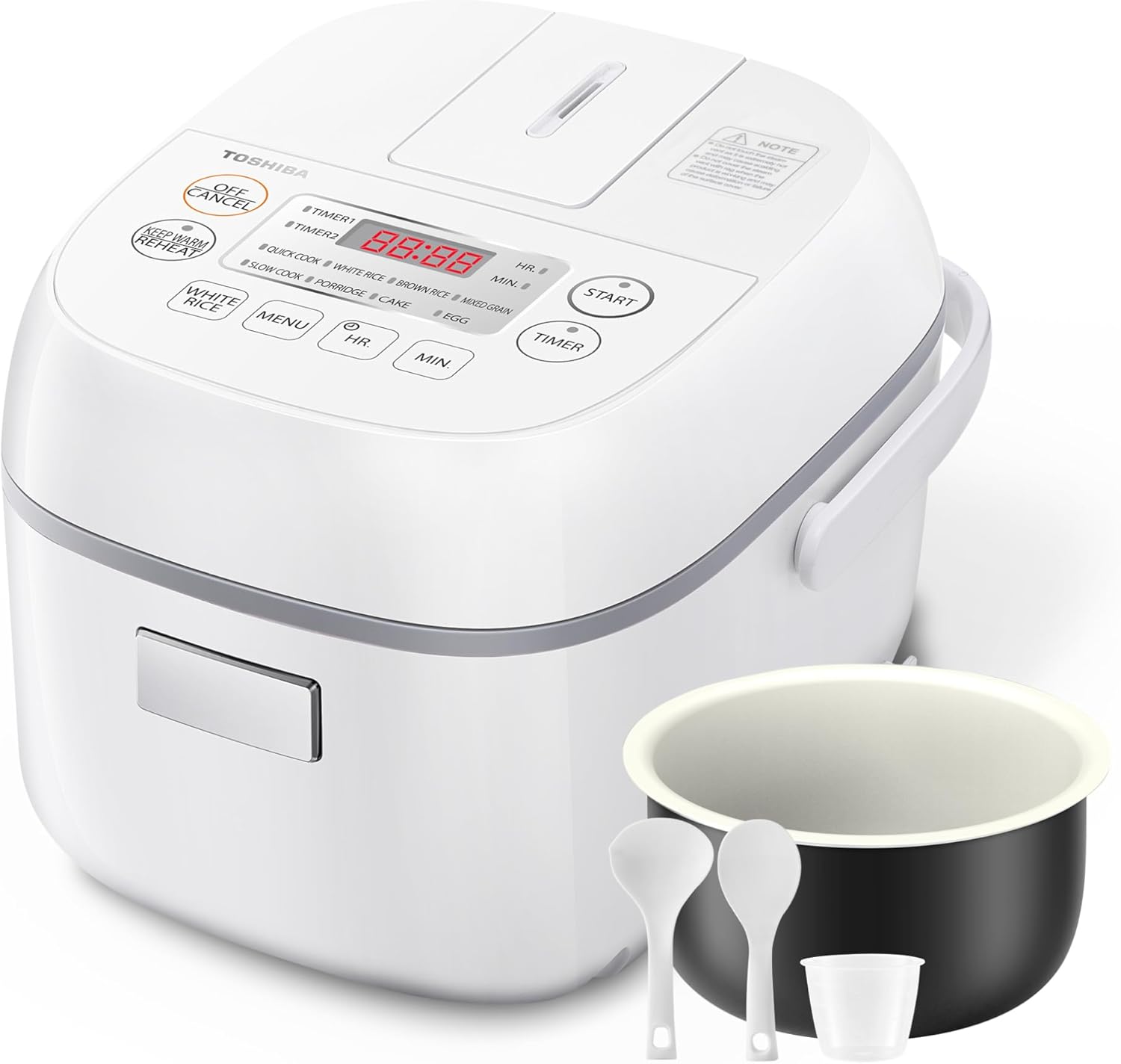
Finding the right countertop appliance to handle daily meal prep can completely transform your busy kitchen routine and save valuable time. When looking for a dependable sur la table rice cooker alternative, shoppers often weigh capacity, advanced heating technology, and daily ease of maintenance against their specific household cooking habits, available counter space, and lifestyle goals.
Whether you need a compact device for single-person meals or a high-capacity cooker for large family gatherings, modern electric cookers offer versatile digital features like fuzzy logic, preset cooking programs, and automated warming cycles. Reviewing these top market options helps clarify exactly which model best fits your daily menu requirements and cooking expectations.
As an Amazon Associate, StacyLaughs earns from qualifying purchases.
Buying guide
Understanding Capacity and Serving Sizes
When selecting a rice cooker, matching the capacity to your household size prevents wasted food or insufficient portions. Models range from compact three-cup uncooked mini units up to generous twelve-cup cooked capacities suitable for entertaining. Consider how many people you regularly feed and whether you enjoy keeping leftovers for subsequent meals during the week.
Keep in mind that uncooked cup measurements differ significantly from final cooked output volumes. A three-cup uncooked machine typically yields up to six cups of cooked grains, which easily satisfies couples or small families. Larger households should look toward six-cup uncooked models to ensure everyone gets a hearty serving without running multiple batches.
Evaluating Heating Technology Options
Heating technology directly influences how evenly your grains cook and absorb moisture. Traditional bottom-plate heating elements work well for basic recipes, but advanced 360-degree induction systems use dual temperature sensors to promote balanced warmth. Some mini units incorporate triple heating elements on the bottom, sides, and lid to surround ingredients with consistent thermal energy.
Choosing an induction or multi-directional heating cooker helps eliminate cold spots and prevents scorching at the bottom of the pot. While these advanced thermal systems may increase the overall appliance cost or complexity, they deliver superior texture control for delicate grains like jasmine or brown rice. Assess your cooking preferences to decide if upgraded heating is necessary.
Utilizing Fuzzy Logic and Preset Programs
Modern electric cookers often feature micro-computerized fuzzy logic technology that actively monitors internal cooking temperatures. Instead of relying on a simple mechanical thermostat, fuzzy logic automatically adjusts the cooking cycle to guarantee fluffy, evenly textured results regardless of minor ingredient variations. This smart technology removes guesswork for cooking novices and experienced home chefs alike.
Alongside fuzzy logic, look for versatile pre-programmed settings tailored to specific foods. Dedicated modes for white rice, brown rice, oatmeal, slow cooking, steaming, and soups expand your countertop versatility far beyond basic grains. Selecting a unit with multiple presets allows you to prepare diverse breakfast dishes, cakes, and savory stews using just one convenient appliance.
Assessing Maintenance and Cleaning Requirements
Keeping your appliance hygienic requires regular cleaning of the inner pot, lid, and steam vents. Many modern cookers feature non-stick inner pots that prevent cooked rice from baking onto the surface, simplifying routine wash cycles. Review the manufacturer instructions to determine whether components require gentle hand washing or if they can go safely into the dishwasher.
Removable inner lids and detachable steam vents make it much easier to wipe away condensation and starch buildup after every meal. If you dislike spending extra time scrubbing cookware by hand, prioritize models explicitly certified as dishwasher-safe. Proper cleaning maintenance preserves the non-stick coating lifespan and ensures your cooker operates reliably for years.
Programming and Timing Convenience Features
Busy schedules demand appliances that adapt to flexible meal planning rather than rigid kitchen timetables. Built-in delay timers let you load ingredients hours in advance and program when the cooking cycle should finish. This feature ensures hot, freshly prepared grains wait for you the moment you walk through the door after a long workday.
Automatic keep-warm modes further enhance convenience by maintaining safe serving temperatures for hours without drying out your food. Some advanced cookers even offer extended warming cycles and retractable power cords to reduce countertop clutter during storage. Evaluate these scheduling tools to find a device that seamlessly matches your daily lifestyle and routine.
Managing Counter Space and Physical Footprint
Countertop space is often at a premium in modern kitchens, making physical dimensions an important purchasing factor. Compact mini cookers easily fit into tight pantries or small corners, while larger ten-cup capacity models require permanent counter real estate. Carefully measure your available depth, width, and overhead cabinet clearance before purchasing any high-capacity electric cooker.
Heavy-duty construction materials like thick iron inner pots and stainless steel outer housings add durability but also increase overall appliance weight. If you plan to store your cooker away after each use, look for lightweight designs or integrated features like retractable cords. Balancing physical size against your batch cooking needs prevents kitchen crowding.
Frequently asked questions
What is the benefit of fuzzy logic technology in a rice cooker?
Fuzzy logic technology utilizes a micro-computerized chip that allows the appliance to think and adapt during the cooking process. Instead of following a rigid heat curve, the cooker constantly monitors internal temperatures and moisture levels, making micro-adjustments on the fly. This ensures that your grains cook evenly, absorb liquids properly, and never burn or turn mushy. Whether you are preparing simple white rice, sticky rice, or complex mixed grains, fuzzy logic takes the guesswork out of achieving restaurant-quality texture every single time you cook.
Can I cook grains other than rice in these electric cookers?
Yes, modern electric multi-cookers are designed to handle a wide variety of grains and meals beyond standard white rice. Most models feature specialized preset programs for brown rice, mixed grains, oats, quinoa, and porridge. Furthermore, many units include slow cooking, steaming, and soup functions that allow you to prepare hearty stews, steamed vegetables, and even baked cakes. By utilizing these versatile built-in modes, you can easily expand your everyday menu repertoire using just a single countertop appliance.
How do I clean my rice cooker properly to protect the non-stick coating?
Cleaning your appliance properly depends heavily on the manufacturer care instructions provided for your specific model. Many cookers feature removable inner lids, detachable steam vents, and non-stick inner pots that make routine cleanup straightforward. If the specifications state hand wash only, you should gently clean the inner pot using a soft sponge and mild dish soap rather than abrasive scrubbers. Always allow heated components to cool completely before washing, and follow any specific dishwasher compatibility guidelines listed for removable accessories.
What does uncooked versus cooked capacity mean for rice cookers?
Understanding capacity ratings is crucial for selecting the right model for your household. Manufacturers typically rate rice cookers by their uncooked grain capacity, measured with the included cup. When rice absorbs water and cooks, it expands significantly, usually doubling or tripling in volume depending on the grain variety. Therefore, a three-cup uncooked cooker will yield approximately six cups of cooked rice. Always check both measurements to ensure the appliance can accommodate your desired batch sizes without overflowing.
How does a delay timer function help with daily meal preparation?
A programmable delay timer allows you to load your inner pot with grains and water hours before you actually want to eat. You simply set the timer according to your schedule, and the appliance automatically calculates when to start the cooking cycle so everything finishes right on time. This feature is particularly helpful for busy families or working individuals who want hot, freshly prepared meals waiting for them immediately upon returning home, eliminating the rush of evening cooking.