Appliances · Buying Guide
Best Sushi Rice Cooker Options for Fluffy Grain Textures
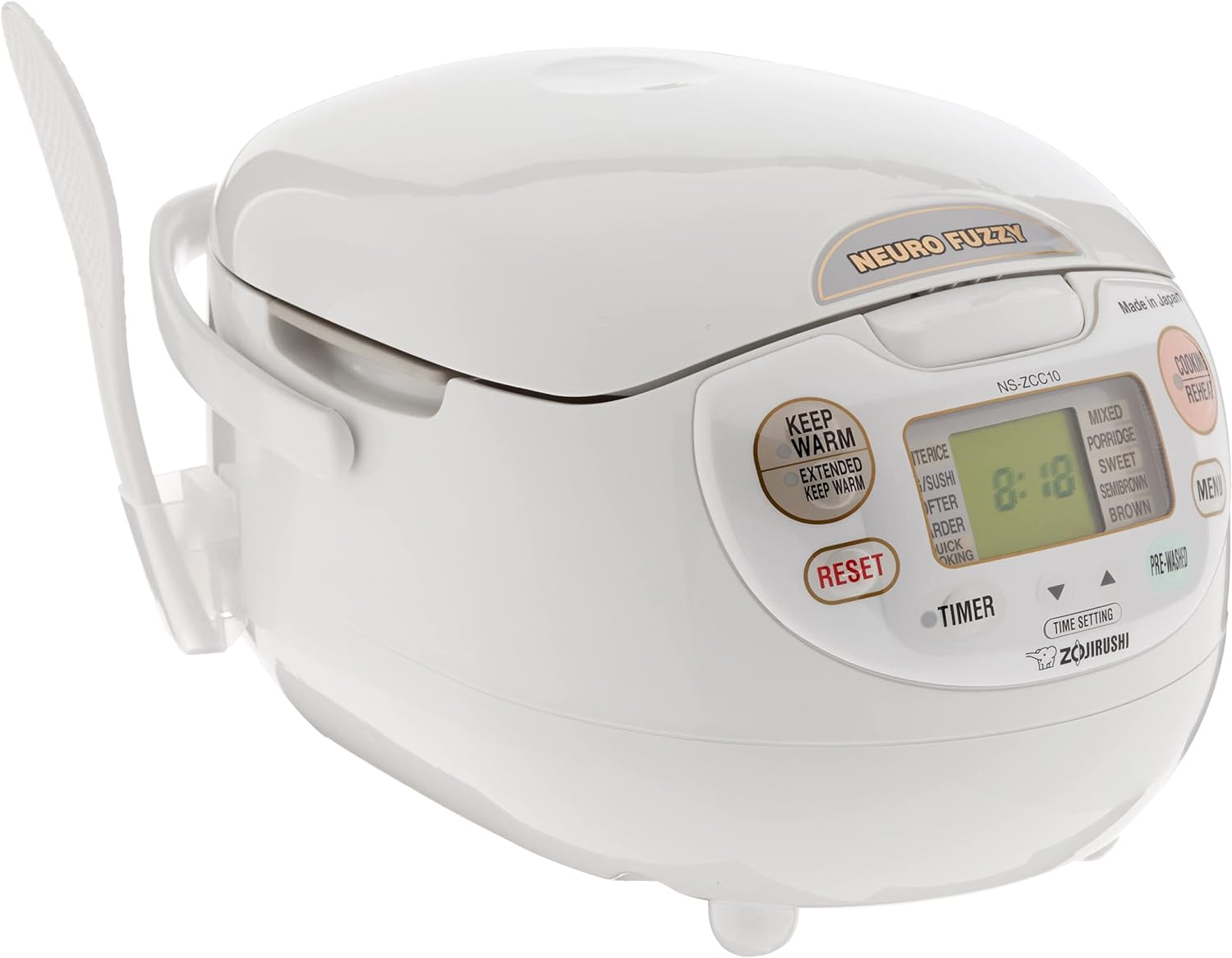
Finding the best sushi rice cooker involves looking at how different appliances manage heat, moisture, and specialized cooking settings. Preparing sushi rice requires precise temperature control to achieve the ideal sticky yet distinct grain texture for rolling. Modern computerized cookers use fuzzy logic technology to monitor and adjust cooking parameters automatically.
Whether you need a compact model for single servings or a large capacity unit for family gatherings, various design choices impact your daily routine. Features like nonstick inner pans, retractable cords, and multiple menu presets help streamline preparation. Examining the physical dimensions and specific cooking functions ensures you select a cooker that fits your kitchen space and cooking habits.
As an Amazon Associate, StacyLaughs earns from qualifying purchases.
Buying guide
Capacity and Serving Size
Selecting the right capacity depends heavily on your household size and how often you cook for guests. A compact three-cup model works exceptionally well for single individuals or couples who regularly prepare modest portions of rice or oats. These smaller units take up minimal counter space while still delivering reliable results for everyday meals without forcing you to store bulky appliances.
On the other hand, larger households or individuals who frequently host dinner parties will benefit significantly from a ten-cup uncooked capacity cooker. Matching the appliance capacity to your typical meal size prevents wasted food and ensures you can cook enough grain in a single batch. Carefully evaluating your dining habits before purchasing guarantees that your chosen rice cooker will adequately meet your daily culinary demands.
Advanced Fuzzy Logic Technology
Modern rice cookers often incorporate micro computerized fuzzy logic technology to monitor and adjust cooking parameters dynamically. Instead of relying on a simple fixed heat cycle, these intelligent appliances sense internal moisture levels and ambient temperatures throughout the process. This continuous adjustment ensures that delicate grains like sushi rice achieve the proper texture without burning or turning overly mushy during cooking cycles.
Investing in a model equipped with fuzzy logic can greatly simplify your routine if you frequently cook different grain varieties. The technology automatically compensates for minor measurement variations or water ratio differences, resulting in consistently fluffy outcomes. While these advanced cookers may require a slightly higher initial consideration, their precise thermal management delivers superior consistency for demanding dishes like seasoned sushi rice.
Multi-Menu Settings and Versatility
A quality rice cooker should offer more than a single basic setting, especially if you enjoy preparing diverse recipes. Many advanced units feature specialized menu selections for white rice, brown rice, sushi rice, mixed grains, and porridge. Some models even include dedicated programs for steaming vegetables, baking cakes, or preparing slow-cooked stews, transforming a simple kitchen appliance into a versatile cooking station.
Reviewing the available menu options helps ensure the cooker aligns with your specific dietary preferences and meal plans. If you regularly consume specialized grains like GABA brown rice or steel-cut oats, choosing a device with dedicated activation settings is essential. Selecting a multi-functional appliance reduces clutter on your countertops by combining several distinct cooking tools into one cohesive, programmable countertop device.
Inner Pot Material and Heat Retention
The construction and thickness of the inner cooking pan play a vital role in determining how evenly heat distributes throughout the cooking cycle. Units featuring ultra-thick inner pots or specialized carbon-infused materials are designed to concentrate thermal energy effectively. This enhanced heat retention prevents cold spots and promotes uniform grain expansion, ensuring your rice cooks thoroughly from the center out to the edges.
Nonstick coatings applied to these inner pans also simplify the serving process and make post-cooking cleanup significantly easier. Rice slides out effortlessly without sticking to the bottom, minimizing food waste and scrubbing effort. When evaluating different models, checking the pan thickness and coating type provides valuable insight into how well the appliance will manage heat and maintain its nonstick surface over time.
Convenience and Storage Features
Everyday usability is greatly enhanced by thoughtful design additions such as built-in retractable power cords and fold-down transport handles. A retractable cord eliminates messy tangled wires on your kitchen counter and simplifies storing the appliance inside a cabinet when not in use. Similarly, portable handles allow you to move the cooker safely from the countertop to a dining table without awkward lifting.
Additional features like programmable delay timers and automatic keep-warm cycles offer immense flexibility for busy schedules. You can set the cooker hours in advance and return home to warm, ready-to-eat grains without manual monitoring. Evaluating these practical convenience functions helps you choose a model that seamlessly integrates into your daily kitchen workflow without causing storage or operational inconveniences.
Maintenance and Cleaning Guidelines
Keeping your rice cooker clean is essential for maintaining hygiene and ensuring the longevity of internal components. Most manufacturers provide specific care instructions, often requiring users to wipe down the stainless steel exterior and control panel with a damp cloth. Removable parts like steam valves and inner lids should be checked regularly and cleaned to prevent clogs and maintain proper steam pressure during cooking operations.
Adhering strictly to manufacturer guidelines regarding hand washing versus dishwasher use protects delicate nonstick coatings from premature wear. While some accessories may tolerate gentle washing, protecting the inner pan from abrasive scrubbers preserves its functional integrity. Understanding the required upkeep routine before buying ensures you select an appliance whose cleaning demands match your personal maintenance preferences.
Frequently asked questions
What makes a rice cooker suitable for preparing sushi rice?
Preparing sushi rice successfully requires specific temperature control and moisture management to achieve the ideal sticky texture without making the grains mushy. Many advanced rice cookers feature dedicated sushi menu settings designed specifically for short or medium-grain rice varieties. Furthermore, appliances equipped with fuzzy logic technology can monitor internal cooking temperatures continuously and make automatic adjustments. This precision prevents uneven cooking and ensures that your rice absorbs seasoning liquids properly once cooked, creating the ideal base for traditional rolls and bowls.
Can I cook other grains besides rice in these appliances?
Yes, many modern rice cookers offer exceptional versatility beyond standard white and brown rice preparation. Depending on the specific model, you can find programmed settings for quinoa, oatmeal, mixed grains, porridge, and even slow-cooked soups or stews. Advanced units often include specialized cycles like GABA brown rice activation or steel-cut oat modes to handle unique cooking profiles. Always review the manufacturer specifications and included menu options to confirm which grain types and alternative recipes are supported by your chosen appliance before cooking.
How do I properly measure rice for these cookers?
Measuring rice accurately is critical for achieving properly cooked grains because automated cookers rely on precise water-to-rice ratios. Most manufacturers explicitly state that you must measure rice using the specific measuring cup supplied with the product rather than standard kitchen measuring cups. A standard rice cooker cup typically holds approximately three-quarters of a standard US cup, meaning using alternate measuring tools will disrupt the intended liquid balance. Following the manufacturer's fill lines and using the provided scoop prevents undercooked centers or overflowing liquids during active cooking cycles.
What is the benefit of a retractable power cord?
A built-in retractable power cord offers significant practical advantages for kitchen organization and everyday safety. When you finish preparing your meal, the cord pulls neatly back into the appliance housing, eliminating loose, tangled wires on your countertops or inside storage cabinets. This feature prevents accidental tugs and makes transporting the rice cooker much easier if you need to move it between different prep areas or store it away after use. It streamlines storage and keeps your kitchen counters looking neat and uncluttered.
How should I clean and maintain my rice cooker?
Proper maintenance depends on following the manufacturer's specific product care instructions, which often recommend wiping exterior surfaces with a damp cloth. For inner cooking pans featuring nonstick coatings, gentle hand washing with soft sponges is generally advised to protect the delicate surface from scratching. Removable inner lids and steam valves should also be inspected and cleaned regularly to prevent clogs and ensure proper steam circulation. Adhering to these maintenance practices helps preserve the appliance's heating efficiency and extends its operational lifespan significantly.