Appliances · Buying Guide
Best Induction Cooktop Options for Every Countertop Space
Selecting the best induction cooktop starts with understanding how electromagnetic energy heats compatible cookware directly without relying on open flames. These portable electric units offer rapid boiling and precise temperature adjustments, making them practical additions to small kitchens, RVs, and supplementary cooking spaces. Standard 120-volt outlets power these appliances efficiently, bringing modern temperature control directly to standard kitchen countertops.
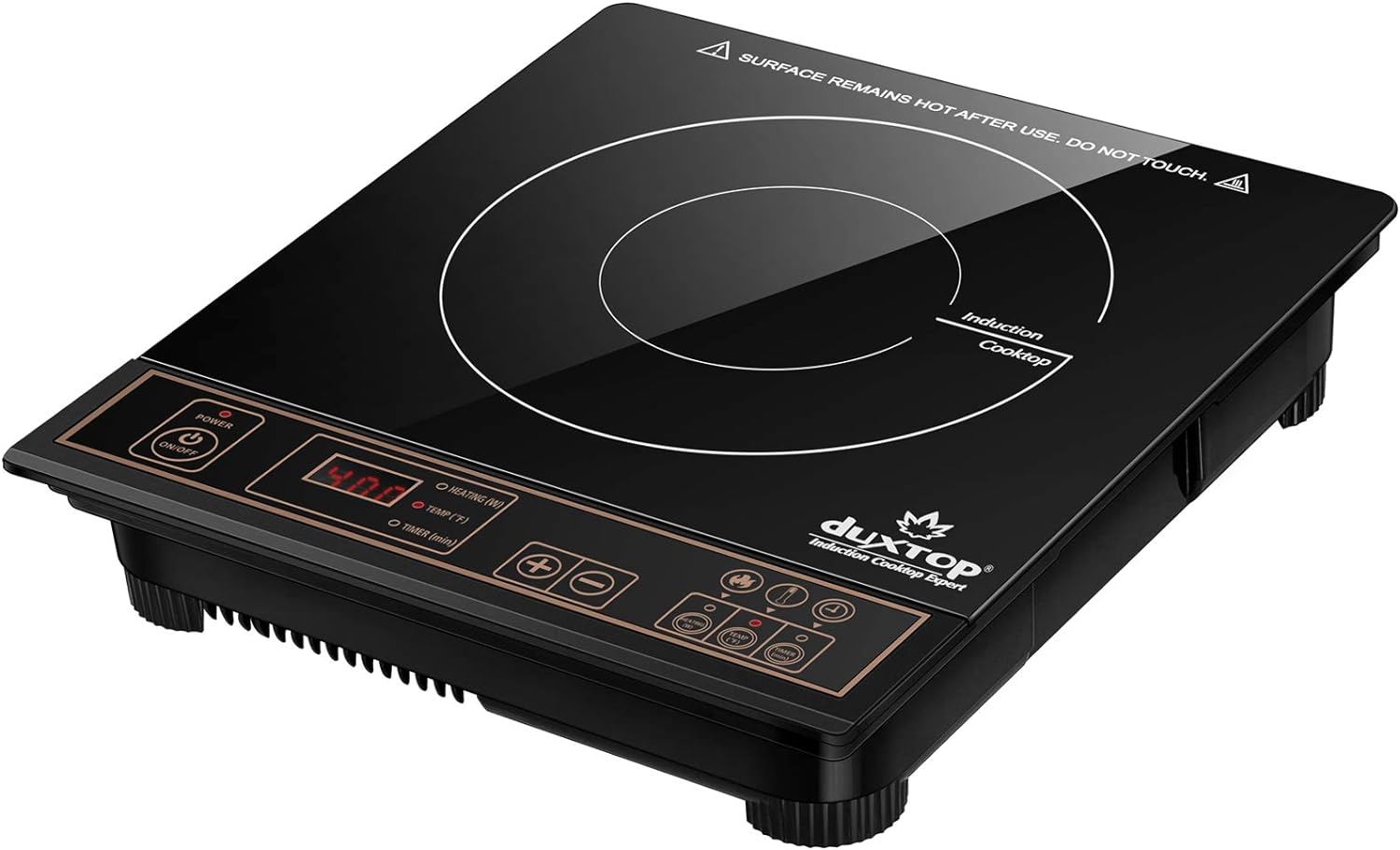
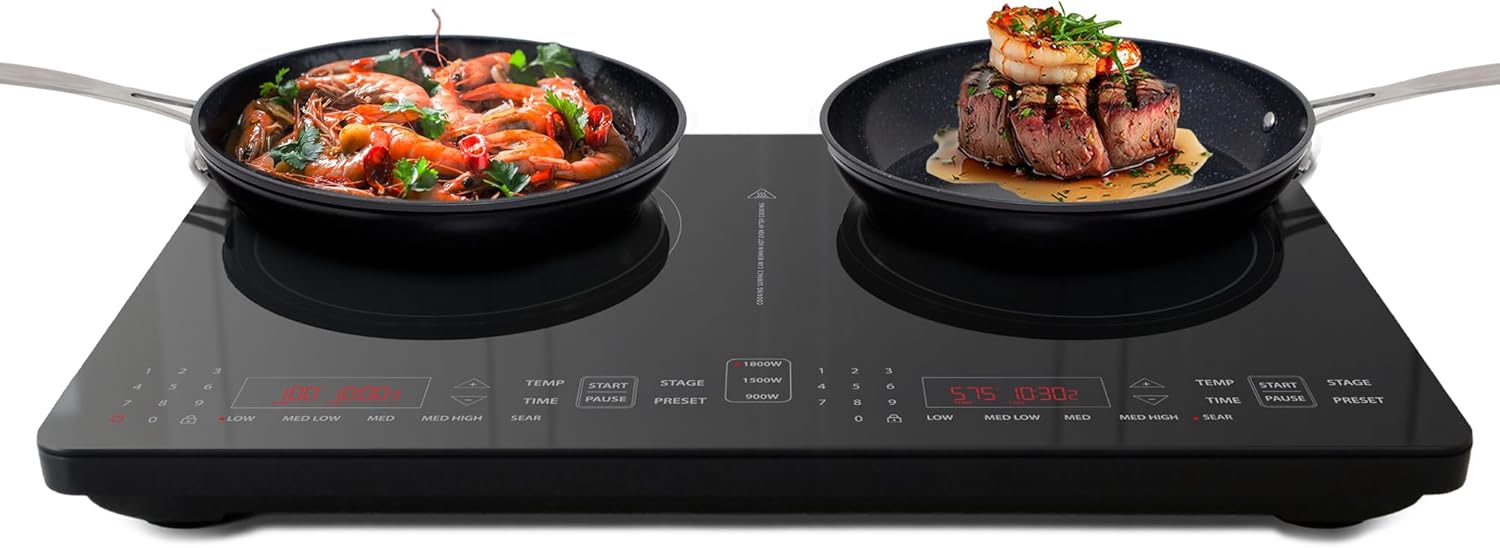
Buyers can choose between single-burner models equipped with extensive touch controls or dual-zone surfaces designed for simultaneous multi-dish preparation. Features like automatic pan detection, adjustable wattage levels, and digital timers enhance everyday usability. Reviewing available power settings and physical dimensions helps match a specific unit to daily meal preparation habits and available counter space constraints.
As an Amazon Associate, StacyLaughs earns from qualifying purchases.
Buying guide
Power Levels and Wattage Control
Evaluating power levels helps determine how flexibly an induction cooktop handles various daily cooking tasks. Units offering multiple wattage tiers allow users to balance electrical draw, which is particularly useful in compact spaces like RVs or dormitories where electrical circuits have strict amperage limitations. Adjustable power settings ensure that boiling water happens rapidly, while lower wattage tiers maintain gentle simmers without scorching delicate sauces during meal prep.
Intelligent power distribution in dual-burner models dynamically splits total energy between active cooking zones. This engineering approach prevents circuit overloads while letting you operate two distinct heating surfaces simultaneously without losing performance. Reviewing maximum wattage specifications ensures the selected appliance matches standard home electrical outlets safely and dependably.
Temperature Range and Precision
Temperature range is a vital consideration when matching an induction cooktop to specific culinary requirements. Models featuring broad temperature spans, stretching from low warming levels up to high searing marks, accommodate diverse recipes ranging from melted chocolate to grilled steaks. Fine temperature increments give home cooks granular control over heat output, minimizing the guesswork involved in maintaining exact thermal conditions for sensitive ingredients.
Preset temperature modes further simplify operation by offering pre-configured heat levels for common tasks like boiling, stewing, or keeping food warm. Assessing whether a unit relies on broad temperature jumps or precise multi-degree increments ensures the appliance supports your preferred cooking style effectively.
Surface Materials and Durability
Cooktop surface materials directly influence long-term durability and daily kitchen maintenance routines. Most portable induction burners employ glass or ceramic glass surfaces specifically engineered to handle thermal stress during intensive high-heat cooking sessions. Shatter-resistant ceramic formulations provide enhanced structural resilience against accidental impacts while maintaining a smooth exterior profile that resists scratching during regular use and storage.
Seamless edge designs prevent food particles and liquid spills from seeping into internal mechanical components, greatly simplifying post-cooking cleanup. Evaluating the build quality of the exterior chassis ensures the appliance withstands frequent relocation between permanent kitchens, outdoor patios, or recreational vehicles without structural compromise or premature wear.
Cookware Compatibility Requirements
Induction cooking relies entirely on direct electromagnetic energy transfer, making cookware compatibility an essential purchasing criterion for every buyer. These cooktops require pots and pans featuring magnetic bottoms, such as traditional cast iron, enameled iron, or specialized stainless steel with embedded magnetic plates. Cookware lacking these necessary magnetic properties will fail to trigger the internal heating coils, rendering the appliance completely inactive.
Checking the minimum base diameter required by a specific burner ensures your existing pots and pans will be recognized correctly by safety sensors. Additionally, understanding that multi-layered clad cookware can sometimes produce faint high-pitched acoustic sounds during high-wattage operation helps manage practical expectations regarding daily kitchen noise levels.
Safety Features and Auto-Shutoff
Built-in safety mechanisms are crucial when selecting an induction cooktop for busy home kitchens or recreational environments. Automatic pan detection systems safeguard operators by cutting electrical power within seconds if cookware is removed or if an incorrect pot is placed on the active heating zone. Residual heat indicators clearly warn users when a glass surface remains warm after cooking finishes, minimizing accidental contact burns.
Child safety locks prevent younger household members from altering active timer or temperature settings unexpectedly during operation. Diagnostic error messaging and voltage warning systems further protect the internal electronic circuitry from electrical irregularities, ensuring dependable long-term performance across various residential settings and temporary power hookups.
Control Interfaces and Timers
Control interfaces dictate how easily you can navigate settings and adjust cooking parameters on the fly during meal preparation. Responsive touch panels provide sleek surfaces that respond immediately to user inputs, while digital displays show active temperatures, power levels, and countdown durations clearly. Built-in timers ranging from short hourly increments up to extended multi-hour durations give home cooks precise command over meal cooking schedules.
Accessing preprogrammed preset buttons allows rapid selection of frequently used cooking modes without requiring tedious manual adjustments. Evaluating whether an interface relies on straightforward touch buttons or advanced multi-tier menus helps ensure the chosen induction cooktop suits your personal preference for operational simplicity and convenience.
Frequently asked questions
Do induction cooktops require special cookware?
Yes, induction cooktops require cookware with a magnetic bottom to function properly. Materials such as cast iron, enameled iron, and magnetic stainless steel work effectively because they interact with the electromagnetic field generated by the internal coils. Non-magnetic materials like aluminum, copper, or glass will not heat up unless they feature an integrated magnetic base layer. You can easily test your existing pots and pans by holding a refrigerator magnet to their bottoms; if it sticks securely, the cookware is compatible with induction heating technology.
Why does my induction cooktop sometimes make a high-pitched sound?
High-pitched sounds during induction cooking are typically caused by the construction of the cookware itself rather than the cooktop appliance. When using multi-layered clad cookware where several different metals are sandwiched together, the rapid electromagnetic energy transfer can cause micro-vibrations in the metal layers. This acoustic phenomenon is completely normal and frequently occurs at higher power or temperature levels. Switching to heavy single-layer cast iron or thick-bottomed magnetic stainless steel pots can often reduce or eliminate these operational sounds entirely.
How does automatic pan detection work on portable burners?
Automatic pan detection is a safety feature designed to monitor the presence of suitable cookware on the ceramic glass surface. When you turn on an active heating zone, sensors check for a closed electrical circuit created by compatible magnetic metal resting on the glass. If no cookware is detected, or if the placed pot lacks magnetic properties, the unit will display a warning and automatically shut itself off after a short duration, usually around sixty seconds, preventing unnecessary energy consumption and accidental heating.
Can I use a portable induction cooktop in an RV or dorm room?
Portable induction cooktops are exceptionally well-suited for RVs, dormitories, tiny homes, and supplementary kitchen spaces because they operate on standard 120-volt electrical outlets found in North American homes. Many models feature adjustable wattage settings, such as 900, 1500, or 1800 watts, allowing you to lower the power draw to match limited electrical circuit capacities in older buildings or recreational vehicles. Their lightweight, compact designs also make them easy to store away when countertop space is needed for other activities.
How should I clean and maintain my ceramic glass cooktop?
Cleaning and maintaining an induction cooktop surface requires waiting until the unit has cooled down completely to avoid thermal shock or burns. Because induction cooktops only heat the cookware and not the surrounding glass surface, food spills are less likely to bake onto the counter aggressively. You can wipe down the smooth ceramic glass panel using a damp cloth and mild dish soap after every use. Avoid abrasive scouring pads or harsh chemical cleaners that might scratch the delicate glass or damage touch-control panels.