Appliances · Buying Guide
Best Popcorn Maker for Movie Nights and Easy Home Snacking
Finding the right machine to pop fresh kernels at home transforms ordinary snack times into exciting movie nights for family and friends. Different households need distinct setups, ranging from compact air poppers to motorized hot oil kettles and classic stovetop pots. Understanding how these designs operate helps you match your kitchen space and snacking habits to the ideal appliance effortlessly.
Whether you prefer traditional oil-popped crunch or light air-popped snacks, modern options bring authentic theater-style experiences straight to your kitchen countertop. Reviewing specific capacities, physical dimensions, and operational mechanisms ensures you select a reliable machine that fits your daily routine.
As an Amazon Associate, StacyLaughs earns from qualifying purchases.
Buying guide
Capacity and Batch Size
Choosing the correct capacity depends heavily on how many people you typically serve during movie nights or parties. Smaller households might only need a four-quart or sixteen-cup machine to satisfy individual snacking habits. Larger families or frequent hosts benefit greatly from six-quart or twenty-four-cup appliances that minimize the need for multiple successive batches. Evaluating your typical guest count prevents choosing a device that feels too restrictive.
Keep in mind that larger capacities often correspond directly with wider physical dimensions and heavier empty weights. A machine designed to produce twenty-four cups requires substantially more storage room in your kitchen cabinets or counter space during operation. Balancing your desired portion size with your available kitchen storage ensures long-term satisfaction and keeps your counters organized.
Heat Source and Power Type
Popcorn makers generally rely on either electric plug-in power or stovetop heat sources to generate the necessary cooking temperatures. Electric hot air and hot oil machines plug directly into standard wall outlets, offering independent operation without tying up your kitchen range. Stovetop pots require an active burner, but they provide a classic cooking experience compatible with gas, electric, or induction cooktops depending on the specific metal materials used.
Your kitchen layout and cooking preferences will heavily influence which power type suits your routine best. If you prefer automated heating elements with built-in switches, electric countertop models provide self-contained functionality. Conversely, traditional cooks who enjoy manual control over burner temperatures often lean toward dedicated metal pots that handle direct stove heating effortlessly.
Stirring Mechanisms and Performance
Automated stirring rods play a crucial role in preventing kernels from burning against hot surfaces during the popping process. Motorized systems found in many electric hot oil poppers and stovetop pots continuously move the corn around, ensuring even heat distribution and maximizing the overall number of popped pieces. This mechanical assistance reduces the likelihood of scorched batches and unpopped remnants.
Air poppers operate differently by relying entirely on forced hot air circulation rather than physical stirring arms or added oil. While this eliminates mechanical moving parts, it shifts the focus toward airflow consistency rather than paddle rotation. Understanding whether you prefer motorized stirring or air circulation helps you achieve your desired snack texture.
Butter Melting Features
Many modern popcorn makers incorporate specialized butter-melting trays or wells located right on top of the appliance cover. As the machine heats up, the warmth naturally melts your butter so it remains liquid and ready for immediate drizzling the moment popping finishes. This thoughtful design element integrates flavoring directly into the cooking cycle without requiring extra microwave bowls or separate utensils.
Evaluating how frequently you enjoy buttered popcorn can help determine whether this integrated feature matters for your purchase. Models lacking a built-in tray require you to melt butter separately, which adds an extra step to your snack preparation routine. Choosing a popper with an overhead melting tray streamlines the entire process from raw kernel to finished treat.
Cleanup and Maintenance Requirements
Maintaining your popcorn maker properly ensures long-lasting performance and keeps your appliance ready for the next movie night. Nonstick popping plates and removable bowls simplify wipe-down routines, while dishwasher-safe lids reduce manual scrubbing effort in the sink. Reviewing the materials used in construction helps you understand how much post-cooking maintenance to expect after preparing oil-based snacks.
Some countertop machines feature specialized components like tilting kettles or removable kernel catchers that collect unpopped pieces for easy disposal. Metal pots require careful hand washing depending on their gear assemblies and finishes. Selecting a model with accessible surfaces ensures that cleanup remains a quick, manageable task rather than a dreaded chore.
Storage and Kitchen Footprint
Kitchen counter space is often at a premium, making appliance dimensions a vital consideration before buying a popcorn maker. Compact air poppers and nesting hot oil units tuck easily into tight cabinet corners or dorm room shelves. In contrast, tall theater-style kettle machines demand significant vertical clearance and floor or counter space, often requiring permanent placement rather than daily put-away routines.
Examining the physical footprint and storage accessories, such as stackable bases or built-in cord wraps, helps prevent kitchen clutter. If your cabinets have limited height or width, measuring your storage spaces beforehand ensures your new appliance fits comfortably out of sight when not in active use. Prioritizing space efficiency protects your kitchen workflow.
Frequently asked questions
Do I need to use oil with every type of popcorn maker?
No, oil requirements depend entirely on the specific technology of the appliance you choose to purchase for your home. Electric hot air poppers circulate heated air directly through the kernels, completely eliminating the need for added oil and creating a lighter snack. Conversely, traditional stovetop pots and motorized hot oil machines require a measured amount of cooking oil to process the corn properly, prevent scorching, and ensure fine salt or seasonings adhere to the finished pieces.
Can I make flavored popcorn like caramel corn or cheese popcorn?
Yes, many popcorn makers support flavored snack creation, often providing recipe guides or adaptable bowls for mixing ingredients. Air poppers and hot oil machines excel at producing plain or lightly buttered popcorn that you can easily toss with cheese powder, caramel, or special seasonings afterward. However, you should check manufacturer guidelines regarding whether sugary coatings can be added directly inside the cooking kettle or if flavorings must be applied after popping.
How do I clean a popcorn maker with a nonstick plate or kettle?
Cleaning a popcorn maker with a nonstick surface typically involves letting the appliance cool completely before wiping the interior with a damp, soft cloth or sponge. You should avoid abrasive scouring pads that might scratch the nonstick coating. Removable parts like clear lids or measuring trays often wash safely by hand in warm, soapy water. Always consult the manufacturer instructions for your specific model to maintain surface integrity and proper function.
What is the advantage of a motorized stirring rod?
A motorized stirring rod continuously moves kernels across the heated popping surface, ensuring even heat distribution throughout the entire batch. This constant motion prevents individual kernels from resting too long in one spot, which significantly reduces the chances of burning or scorching. Additionally, stirring systems help maximize the total number of popped pieces per batch, giving you a higher yield of fluffy popcorn without requiring manual hand cranking.
How do I store a bulky popcorn machine in a small kitchen?
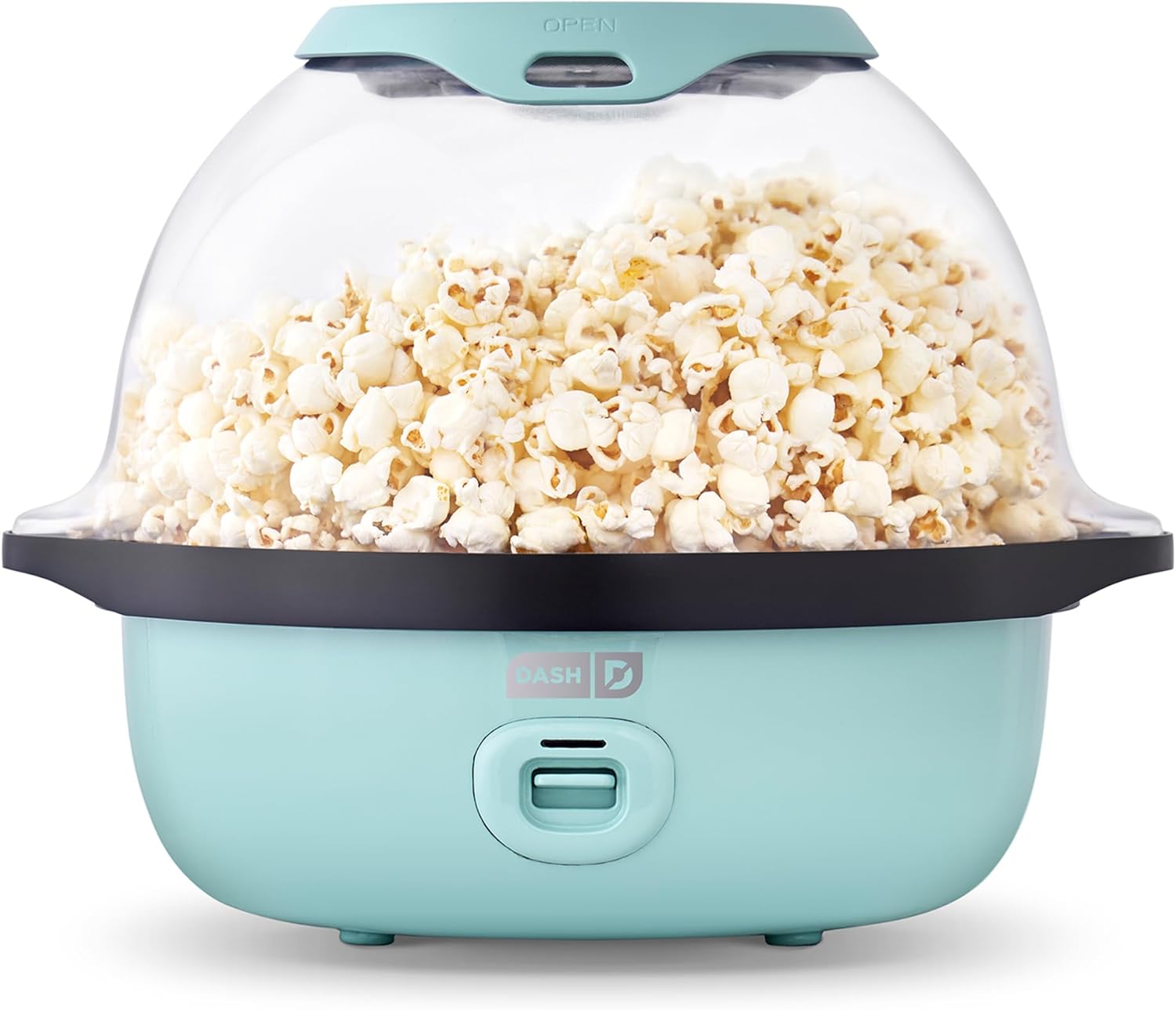
Storing a bulky popcorn machine in a small kitchen requires looking for clever design features like nesting components, stackable bases, or removable cords. Some models feature a SmartStore build where the serving bowl lid nests directly over the base to minimize vertical height on your shelves. If your machine features a tall theater-style design, you may need to dedicate a lower pantry shelf or keep it on a permanent countertop station.