Appliances · Buying Guide
Best thermador freedom induction cooktop alternatives for modern kitchens
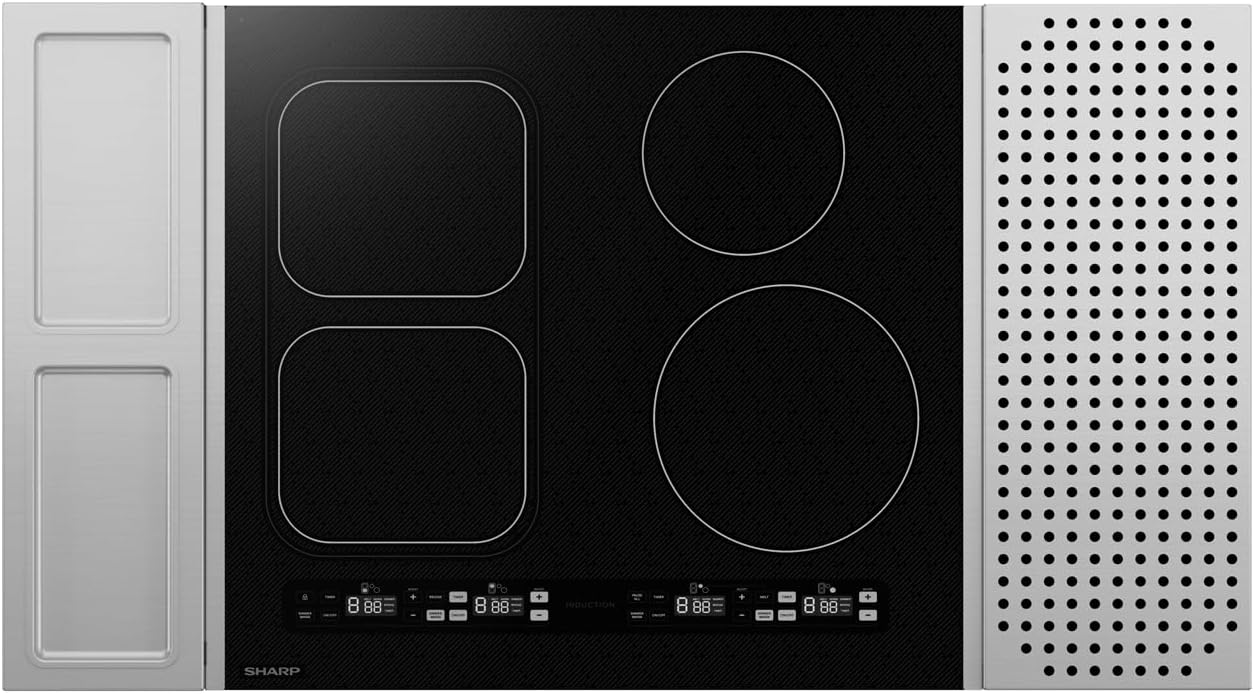
Exploring alternatives to a thermador freedom induction cooktop brings focus to various multi-zone and portable electric stovetops available on the market today. Home cooks frequently seek efficient heating surfaces that offer precise temperature adjustments, digital touch controls, and robust safety lock features for everyday meal preparation without unnecessary complications or delays in the kitchen.
Whether you require a spacious five-burner built-in glass ceramic surface or a compact portable single burner for an RV, understanding the distinct specifications of each model helps streamline your kitchen setup. We examine several popular induction options to carefully match diverse spatial configurations and rigorous cooking requirements across different household environments effectively.
As an Amazon Associate, StacyLaughs earns from qualifying purchases.
Buying guide
Evaluating Electrical Voltage and Power Requirements
When searching for an induction cooktop, understanding electrical requirements is vital for safe and efficient operation. High-power multi-zone models often demand specialized 220V wiring installations handled by professionals, while portable single or dual-burner appliances typically plug directly into standard household outlets using traditional 120V power configurations without requiring complex electrical upgrades.
Checking your kitchen circuit capacity prevents overloaded breakers during heavy meal preparation sessions. Always verify whether your chosen appliance matches existing home infrastructure or requires professional wiring modifications before final installation, ensuring long-term operational reliability and uninterrupted heating performance across all active cooking zones under heavy loads.
Assessing Spatial Dimensions and Cutout Sizes
Countertop space and cabinetry cutouts dictate which induction cooktop model fits your kitchen layout. Built-in units require precise dimensional measurements to drop securely into countertops, whereas portable countertop cooktops offer flexible placement without permanent modifications. Measure available depth, width, and clearance carefully to accommodate appliances ranging from compact single burners to wide configurations.
Ignoring spatial constraints can lead to difficult installation challenges or restricted workspace during food preparation. Ensure adequate ventilation clearance around the unit base and verify that surrounding surfaces withstand heat exposure. Proper spatial planning guarantees a seamless aesthetic integration while maintaining easy access to touch controls and cooking zones.
Comparing Cooking Zone Counts and Layouts
The number of heating elements directly influences how many dishes you can prepare simultaneously. Families or hosts cooking large meals benefit from four or five-zone built-in cooktops that accommodate multiple pots and pans at once. Conversely, smaller households often find that compact dual-zone or single-burner portable appliances satisfy daily culinary routines adequately.
Look for specialized bridge zones if you frequently use oversized rectangular griddles or long roasting pans. Evaluating your typical meal preparation habits helps determine whether you need expansive multi-element layouts or streamlined portable options that save counter space without sacrificing essential heating performance.
Understanding Temperature Control and Precision
Precision temperature regulation is a hallmark of quality induction cooking. Advanced models provide numerous fine-tuning settings or wide temperature ranges spanning from low simmering levels up to high searing points. This granular control allows delicate sauces to melt smoothly without scorching while enabling high-heat searing for meats and vegetables efficiently.
Reviewing increment options helps ensure you can dial in exact cooking parameters for specialized recipes. Consistent thermal delivery prevents sudden temperature spikes and maintains steady heat, giving you greater confidence when executing complex culinary techniques that demand exact thermal consistency from start to finish.
Examining Surface Materials and Build Quality
Ceramic glass and EuroKera glass surfaces provide durable, smooth platforms designed to withstand intense thermal stress during cooking. These smooth finishes resist cracking and facilitate straightforward cleanup after spills occur. High-quality construction materials also protect internal components from moisture and grease buildup, contributing to extended appliance lifespan in busy kitchens.
Inspecting the exterior chassis design and touch control integration helps gauge overall durability. Seamless edge-to-edge glass panels prevent food particles from lodging in crevices, simplifying daily maintenance. Prioritizing robust build quality ensures your cooktop endures frequent use while maintaining a polished appearance over years of regular food preparation.
Prioritizing Safety Features and Controls
Integrated safety mechanisms are essential when operating high-energy induction appliances. Child lock functions prevent accidental activation by young family members, while residual heat indicators alert users to warm ceramic surfaces after cooking concludes. Overflow auto-shutoff capabilities add an extra layer of protection by stopping operation if liquid spills onto the control panel.
Responsive touch controls and clear LED displays further enhance safe usability by providing immediate feedback during adjustments. Evaluating built-in safeguards ensures a secure cooking environment, minimizing risks associated with open flames or neglected burners while offering peace of mind for households with children or pets.
Frequently asked questions
What cookware works with induction cooktops?
Induction cooktops require magnetic cookware to function properly because electromagnetic fields generate heat directly within the pot or pan base. Compatible materials include cast iron and magnetic stainless steel. You can easily test your existing pots by placing a small refrigerator magnet against the bottom surface; if it pulls firmly and holds in place, the cookware is suitable for induction use. Non-magnetic metals like aluminum, copper, or glass will not heat up unless they feature an embedded magnetic base layer specifically engineered for induction appliances.
Can induction cooktops be installed on countertops or built into cabinetry?
Installation versatility depends entirely on the specific cooktop model you select. Many larger multi-zone units are engineered specifically for permanent built-in drop-in installation requiring precise countertop cutouts. However, several compact single and dual-burner appliances offer dual-purpose designs, allowing them to function seamlessly as portable countertop units or drop-in stoves depending on your kitchen configuration. Always review manufacturer specifications and spatial dimensions carefully before attempting permanent cabinetry modifications to ensure a secure and proper fit for your chosen cooktop design.
How do induction cooktops compare to traditional electric stovetops?
Induction cooktops transfer electromagnetic energy directly into compatible cookware, converting a high percentage of energy into active heat rather than warming the surrounding air. This direct transfer allows water to boil significantly faster than on traditional electric or gas stovetops. Additionally, the glass ceramic surface surrounding the cooking zone remains relatively cool to the touch during operation, reducing burn risks and preventing spilled food from baking onto the surface, which makes post-cooking cleanup much easier and faster.
What safety features should buyers look for in an induction cooktop?
Essential safety features include child lock systems that prevent accidental activation by children, and residual heat indicators that clearly display when a ceramic zone remains warm after cooking. Overflow auto-shutoff mechanisms are also valuable, as they automatically power down the unit if liquids spill onto the control panel. Flameless induction heating inherently eliminates open flames, while built-in thermal protections guard against overheating during extended cooking sessions, providing a secure environment for everyday family meal preparation.
How do I clean and maintain an induction cooktop glass surface?
Maintaining a glass ceramic induction surface requires regular cleaning with mild soap and a soft damp cloth after the cooktop has cooled down completely. Avoid using abrasive scouring pads, harsh chemical cleaners, or metal scrapers that could scratch the glass finish. For stubborn burned-on food residues, specialized cooktop cleaning creams formulated for ceramic glass surfaces can be applied gently. Promptly wiping up spills during or after cooking prevents residue buildup and preserves the smooth, polished appearance of your appliance over years of regular use.