Appliances · Buying Guide
Best Tiger Brand Rice Cooker for Your Kitchen
Selecting a dependable appliance to prepare daily meals requires understanding how different heating mechanisms and capacities match your household routine. Traditional single-switch models offer straightforward operation, while advanced microcomputer and induction heating variants provide multiple presets for specialized grain types and simultaneous dish preparation without complicated programming.
Exploring the comprehensive lineup from this established manufacturer helps clarify which features align with your daily cooking habits, counter space availability, and desired meal variety. Whether you need a compact 5.5-cup unit for smaller households or a larger 10-cup capacity for feeding crowds, reviewing specific physical attributes ensures a practical, long-lasting addition to your kitchen ecosystem.
As an Amazon Associate, StacyLaughs earns from qualifying purchases.
Buying guide
Determining the Right Cooking Capacity
Selecting an appropriate capacity depends directly on how many people you routinely feed and whether you enjoy hosting guests. Compact 5.5-cup models yield roughly eleven cups of cooked rice, which satisfies average families and couples comfortably. For larger households or frequent entertaining, stepping up to a 10-cup capacity produces about twenty cooked cups in a single batch, eliminating the need to cook multiple rounds.
Keep in mind that larger capacities inherently increase the physical footprint of the appliance on your kitchen counter. Assessing your typical meal sizes prevents buying a bulky unit that exceeds your daily needs or, conversely, struggling with a compact pot when cooking for a crowd. Matching capacity to lifestyle ensures efficient meal preparation without wasted space.
Understanding Heating Technologies and Performance
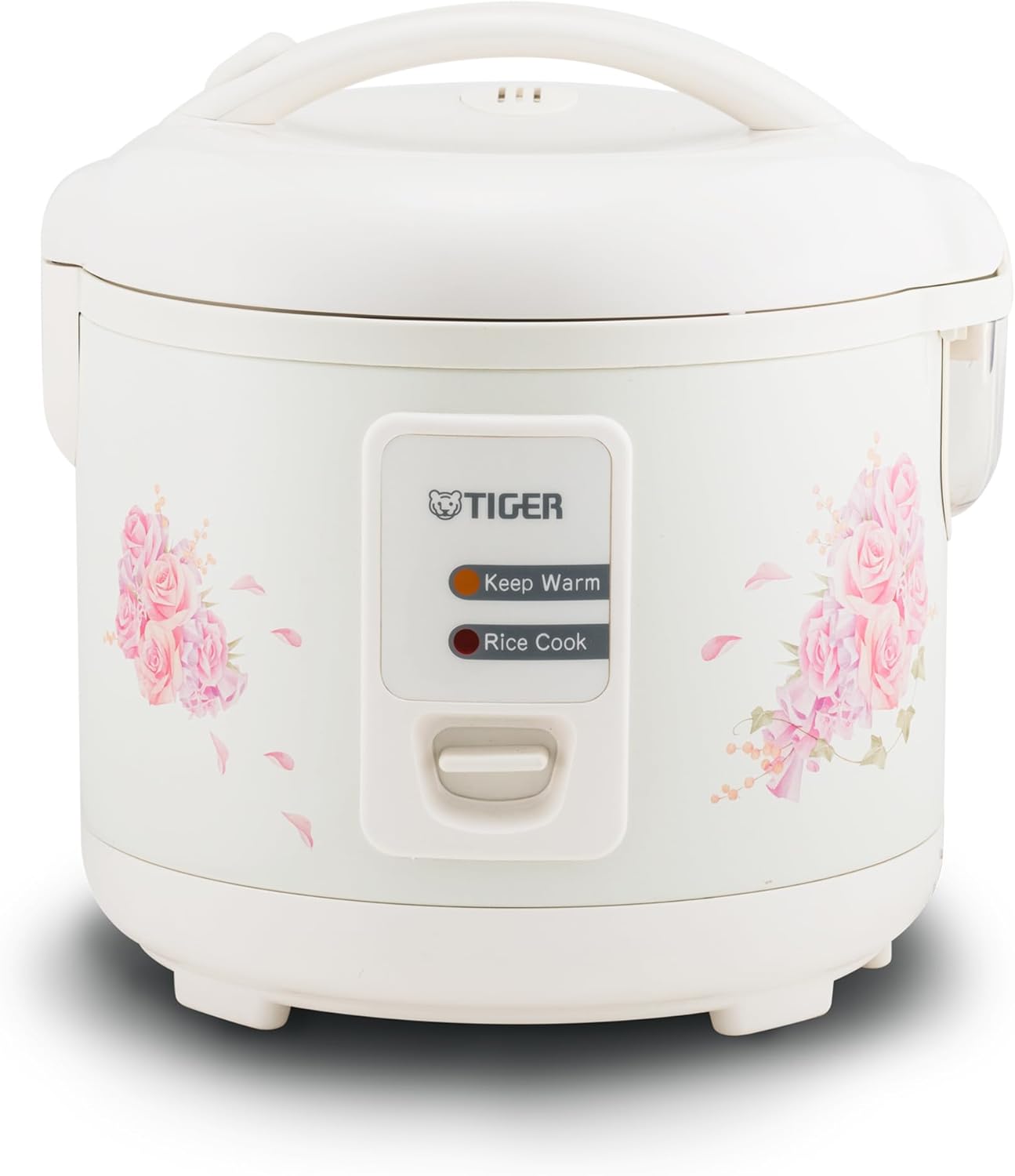
The underlying heating mechanism dictates how heat is transferred to your grains during the cooking cycle. Conventional models rely on a simple bottom heating element managed by a thermal switch, offering reliable performance for everyday white rice. In contrast, microcomputer units employ internal sensors to adjust temperature profiles automatically across different menu settings.
Advanced induction heating systems apply magnetic fields to heat the entire inner pot evenly, promoting optimal grain texture and natural sweetness. Selecting between these technologies depends on your budget, cooking enthusiasm, and desire for specialized presets. While conventional cookers keep things simple, induction and micom variants deliver greater temperature precision for diverse recipes.
Exploring Automated Presets and Control Options
Modern rice cookers offer varying degrees of programming complexity, ranging from single-push buttons to fourteen-preset digital panels. Basic conventional units feature a single switch that drops automatically when cooking completes, requiring minimal user interaction. Micom and induction models introduce microcomputer boards with dedicated buttons for plain rice, brown rice, slow cooking, and steaming tasks.
Having multiple presets helps achieve proper texture when preparing whole grains or experimenting with alternative recipes beyond standard white rice. However, extra digital settings add buttons and screens that require slight operational familiarity. Choose a control interface that matches your comfort level with kitchen technology and your daily desire for menu variety without unnecessary frustration.
Evaluating Synchronized Cooking and Tray Accessories
Several advanced models incorporate specialized tray accessories that enable simultaneous meal preparation. Tacook technology features a BPA-free cooking tray positioned above the rice, allowing the rising steam to cook proteins or vegetables concurrently without cross-contaminating flavors. This feature streamlines kitchen workflows for busy individuals who want to prepare a complete meal using a single countertop appliance.
Other conventional models may include a dedicated steam basket for vegetables, offering a simpler approach to steaming side dishes. When evaluating these accessories, consider whether you routinely cook multi-part meals or prefer keeping your rice cooker dedicated solely to grains. Choosing units with included trays expands your culinary options without requiring extra pots.
Managing Counter Space and Appliance Dimensions
Physical dimensions play a critical role in how comfortably an appliance fits into your kitchen workspace. Compact 5.5-cup models typically feature square or moderately proportioned footprints that integrate easily onto standard countertops. Larger 10-cup units require significantly more depth and width, sometimes extending past fifteen inches, which demands dedicated storage or permanent counter placement.
Additionally, carefully check overhead cabinet clearance if you choose a tall induction model featuring an upward-opening lid mechanism. Retractable power cords help minimize cord clutter on smaller surfaces, while heavier appliance bodies require stable, unhindered positioning. Measuring your available countertop space beforehand prevents storage conflicts and ensures safe daily access to your appliance.
Maintenance and Cleaning Requirements
Proper maintenance ensures your rice cooker continues to operate reliably over years of daily service. Most inner pots feature fluorine or non-stick coatings designed to prevent cooked grains from adhering, which simplifies manual washing. Many models require hand washing for both the inner pot and detachable lids to protect these specialized non-stick surfaces from abrasive damage.
Following manufacturer care instructions by avoiding harsh scrubbers and wiping down exterior plastic housings with a damp cloth keeps the appliance hygienic. Removable inner lids on conventional models make wiping away condensation quick and effortless. Prioritizing routine cleaning after every use preserves the integrity of the inner pot coatings and maintains consistent cooking performance over time.
Frequently asked questions
Can I cook brown rice in a conventional Tiger rice cooker?
Conventional Tiger rice cookers handle basic white rice effortlessly through single-button operation, but cooking brown rice typically requires longer cooking cycles and adjusted water ratios. While you can cook brown rice by adding extra water and monitoring the cycle, models featuring dedicated microcomputer or induction presets offer automated brown rice programs that manage temperature and timing adjustments automatically. If brown rice is a staple in your diet, selecting a micom or induction model provides more consistent results without manual oversight during the cooking process.
How does Tacook synchronized cooking technology work?
Tacook technology features a specially designed BPA-free cooking tray that fits inside the rice cooker above the inner pot. As the appliance heats water and cooks the rice below, rising steam passes through the tray to cook proteins or vegetables simultaneously. The physical design of the tray prevents food juices from dripping back into the rice, keeping flavors distinct and untainted. This system allows you to prepare a complete meal in one compact countertop appliance without needing separate pots or pans.
What is the difference between conventional and induction heating rice cookers?
Conventional rice cookers rely on a single heating plate at the base of the unit, transferring heat upward through the inner pot via thermal conduction. Induction heating cookers use magnetic fields to generate heat across the entire surface of the pot simultaneously, ensuring superior thermal distribution. This even heating helps bring out the natural sweetness of grains and provides precise temperature control for advanced cooking presets. Consequently, induction models generally command higher complexity and cater to dedicated cooking enthusiasts.
Are the inner pots dishwasher safe?
Manufacturer care instructions for these Tiger rice cookers typically specify hand washing for both the inner pots and removable lids. The inner pots feature fluorine or non-stick coatings designed to release cooked rice easily, but automated dishwasher cycles and harsh detergents can degrade these protective layers over time. Wiping components gently with a soft sponge and mild soap helps preserve the non-stick surface, ensuring your appliance maintains smooth food release and reliable performance throughout its operational lifespan.
What is included in the box when purchasing a Tiger rice cooker?
Packaging contents vary slightly depending on the specific model series you choose, but standard inclusions generally feature the rice cooker unit itself, a rice measuring cup, and a serving spatula. Models equipped with Tacook technology also include the BPA-free cooking tray and a specialized recipe book. Conventional models often highlight features like retractable power cords and instruction booklets, while select units provide additional steam baskets for vegetables. Always verify specific box contents based on the exact product listing before finalizing your purchase decision.