Appliances · Buying Guide
Best Tiger Rice Cooker Warmer Options for Every Kitchen Style
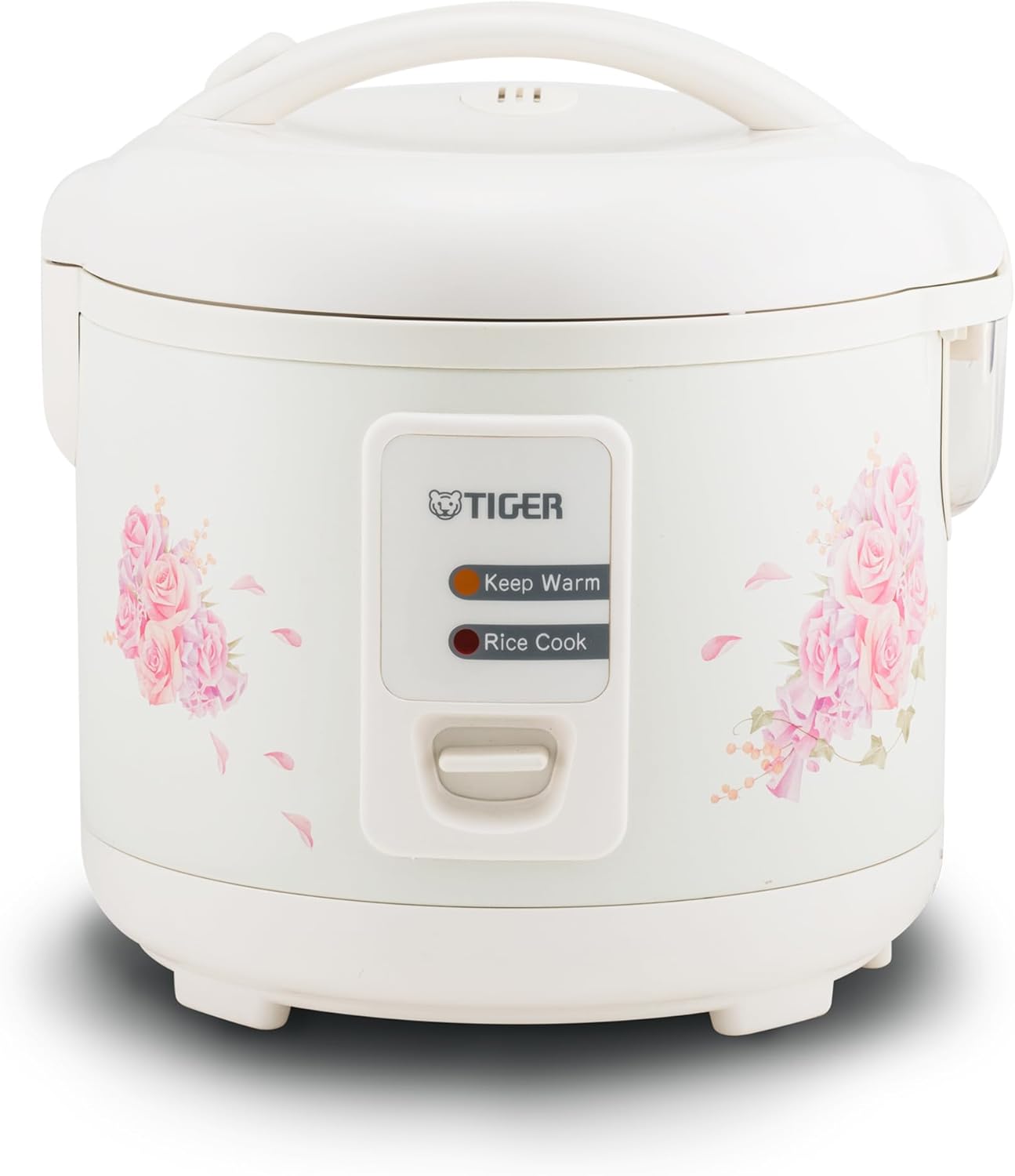
Finding the right appliance to cook grains and keep them ready for serving can simplify daily meal preparation. Tiger rice cookers offer dependable designs equipped with specialized cooking trays and automated warming functions. Whether you need a compact model for smaller households or a larger capacity unit for feeding groups, these machines handle grains efficiently and consistently.
Exploring different control styles, from conventional one-touch buttons to advanced microcomputer and induction heating systems, helps match an appliance to your cooking routine. Reviewing physical dimensions, inner pot materials, and automated settings ensures the selected unit fits neatly on your countertop while delivering reliable, everyday performance for various recipes and household sizes.
As an Amazon Associate, StacyLaughs earns from qualifying purchases.
Buying guide
Evaluating Capacity Requirements for Daily Meals
Choosing the correct capacity ensures your appliance matches household dining needs without taking up unnecessary counter space. Smaller models handling 5.5 cups of uncooked grain yield roughly eleven cooked cups, making them ideal for individuals or moderate families who prepare meals daily. Evaluating typical household portion sizes prevents buying an oversized appliance that crowds valuable kitchen work areas unnecessarily.
Larger ten-cup units double that output to twenty cooked cups, easily suiting larger households or frequent hosting duties. Consider your typical meal sizes, leftover preferences, and storage limits before selecting between compact and high-capacity options. Matching the volumetric output to your actual daily consumption guarantees efficient meal preparation without unnecessary food waste or constant double-batch cooking cycles.
Understanding Control Types and Cooking Presets
Control mechanisms range from simple single push-button conventional designs to advanced microcomputer systems and induction heating technology. Basic one-button models offer straightforward operation without complicated menus, appealing to users who prefer minimal setup. Microcomputer units automatically regulate temperature curves, soaking duration, and steam times to optimize grain texture across standard white and brown rice varieties without manual oversight.
Advanced induction models incorporate up to fourteen preset options to accommodate specialized culinary dishes, multigrain blends, and porridge recipes. Selecting your preferred control style depends entirely on how many different types of grains you regularly prepare. Evaluating whether you need simple daily cooking or specialized preset menus helps narrow down options to fit your exact culinary habits and technical comfort level.
Synchronized Cooking Features and Steam Trays
Many modern rice cookers include specialized steam trays, such as BPA-free Tacook trays, designed for synchronized meal preparation. This technology allows users to cook grains in the bottom pot while simultaneously steaming vegetables or proteins in the upper tray. The cooking steam rises to cook the secondary ingredients thoroughly without compromising the distinct flavors of either dish during the heating cycle.
Utilizing a synchronized cooking tray streamlines busy weeknight routines by cutting down total appliance run time and reducing extra pan usage. When reviewing options featuring this capability, consider the size of the steaming tray relative to your typical protein or vegetable portions. This convenient feature transforms a single-purpose grain cooker into a versatile workstation for preparing complete meals simultaneously.
Inner Pot Materials and Maintenance Considerations
Inner pot construction significantly influences heat distribution and daily cleaning requirements across different appliance models. Most units feature aluminum pots coated with fluorine layers to provide scratch resistance and prevent cooked grains from sticking to the surface. Thicker pots, such as 1.5mm aluminum or far-infrared thick designs, enhance thermal retention and promote more even heating throughout the entire cooking cycle.
Maintenance typically requires hand washing the inner pot and removable components rather than placing them in automated dishwashers to protect the non-stick coating. Following manufacturer care instructions preserves the fluorine layer, ensuring longevity and consistent release performance over years of regular use. Checking for detachable inner lids and steam caps also reveals how easily you can clean hard-to-reach areas after sticky meals.
Countertop Footprint and Dimensional Clearance
Physical dimensions play a critical role in determining where your appliance will sit during daily operation. Units vary significantly in depth, width, and height, with some models extending over fifteen inches from front to back. Measuring your available counter space beforehand prevents awkward overhangs and ensures the machine rests stably on a flat, secure surface away from room edges.
Vertical clearance is equally important, particularly for taller induction or high-capacity models that stand upright beneath low-hanging upper kitchen cabinets. Opening hinged lids fully requires adequate vertical and horizontal space to avoid hitting overhead fixtures or adjacent wall items. Factoring in these spatial requirements ensures your chosen rice cooker integrates smoothly into your kitchen layout without causing daily placement frustrations.
Warming Functions and Scheduled Timer Options
Automated keep-warm functions maintain safe serving temperatures for extended periods, typically up to twelve or twenty-four hours depending on the specific model. This feature keeps cooked grains warm and palatable if family members eat meals at staggered times throughout the evening. Understanding how long a unit maintains heat without drying out the food helps accommodate flexible household schedules and busy work hours.
Pre-set timers and digital clock displays add further convenience by allowing you to program when the cooking cycle finishes. Dual timers let users set specific completion targets for morning breakfast or evening dinner preparation automatically. Reviewing these scheduling capabilities ensures you select a machine that aligns with your daily routine and provides reliable, hands-off meal timing management.
Frequently asked questions
How should I measure rice when using these cookers?
You should always measure rice using the specific measuring cup that comes included with your product box. Standard kitchen measuring cups differ slightly in volume from dedicated Japanese rice-measuring cups, which typically hold approximately three-quarters of a standard US cup. Using the provided cup ensures the rice-to-water ratio remains accurate according to the measurement markings printed inside the inner pot. Following this simple rule prevents undercooked or overly mushy grains, ensuring consistent texture and flavor across every batch you prepare in your appliance.
Can I cook other foods besides plain white rice?
Yes, many of these appliances feature multiple automated settings or specialized presets designed to cook brown rice, multigrain blends, porridge, and sweet dishes. Advanced models include slow cooking functions and synchronized steaming trays that allow you to cook vegetables and proteins concurrently with your grains. Reviewing the available menu options on each model helps you discover the full range of recipes you can prepare beyond basic white rice, expanding your everyday culinary versatility without requiring separate kitchen appliances for every task.
How long does the automated keep-warm function last?
The automated keep-warm function typically maintains serving temperatures for up to twelve hours on standard micom and conventional models, while certain advanced induction units extend this capability up to twenty-four hours. Once the primary cooking cycle finishes, the appliance automatically shifts to this low-heat warming mode to keep grains ready for consumption. This feature is particularly useful for households with staggered dining schedules, ensuring food stays warm and palatable for family members eating at different times during the day.
Are the inner pots dishwasher safe for easy cleaning?
Manufacturer care instructions specify that the inner pots and removable parts require hand washing rather than automated dishwasher cleaning. Hand washing protects the delicate fluorine non-stick coating from harsh dishwasher detergents and abrasive spray arms, preventing premature surface wear and scratching. Cleaning the pot and detachable inner lids gently with a soft sponge preserves the non-stick properties and ensures smooth grain release over years of regular use, maintaining proper appliance performance for every meal preparation routine.
What is Tacook synchronized cooking technology?
Tacook synchronized cooking technology is a specialized system that utilizes a BPA-free cooking tray placed inside the rice cooker above the grains. As the rice cooks below, the steam generated by the machine rises to cook vegetables or proteins in the tray simultaneously. The system is engineered to prevent the flavors of the main dish and the rice from mixing or affecting one another. This feature streamlines meal preparation by allowing you to cook a complete two-part meal in a single appliance footprint.