Appliances · Buying Guide
Best tillreda portable induction cooktop choices for compact spaces
Finding a reliable cooking surface for small spaces, dorm rooms, or extra kitchen prep can feel challenging when traditional burners take up too much permanent counter space. Portable induction cooktops offer a flexible alternative by using electromagnetic energy to heat compatible cookware directly instead of warming the surrounding air, making them highly efficient additions to modern countertop setups.
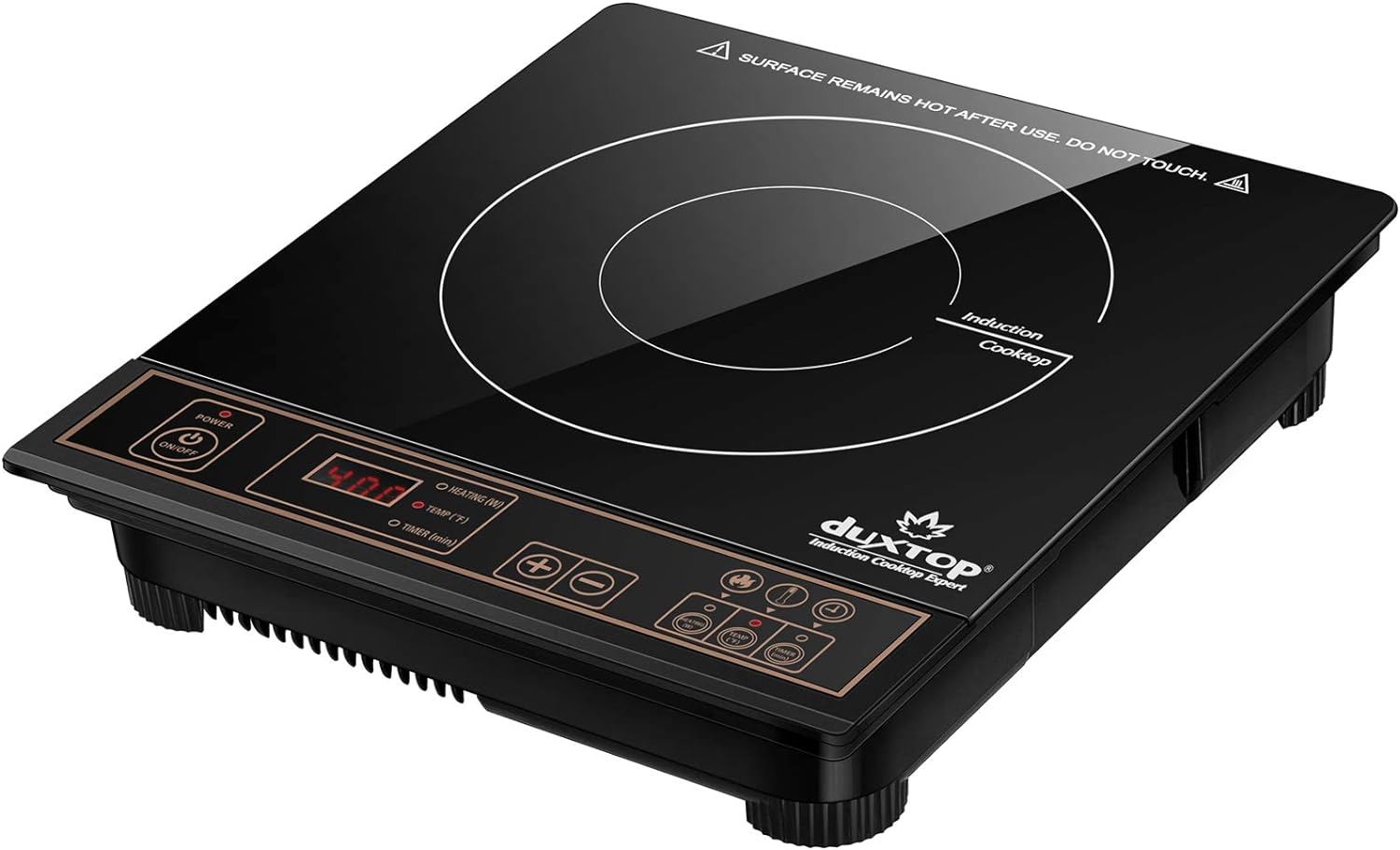
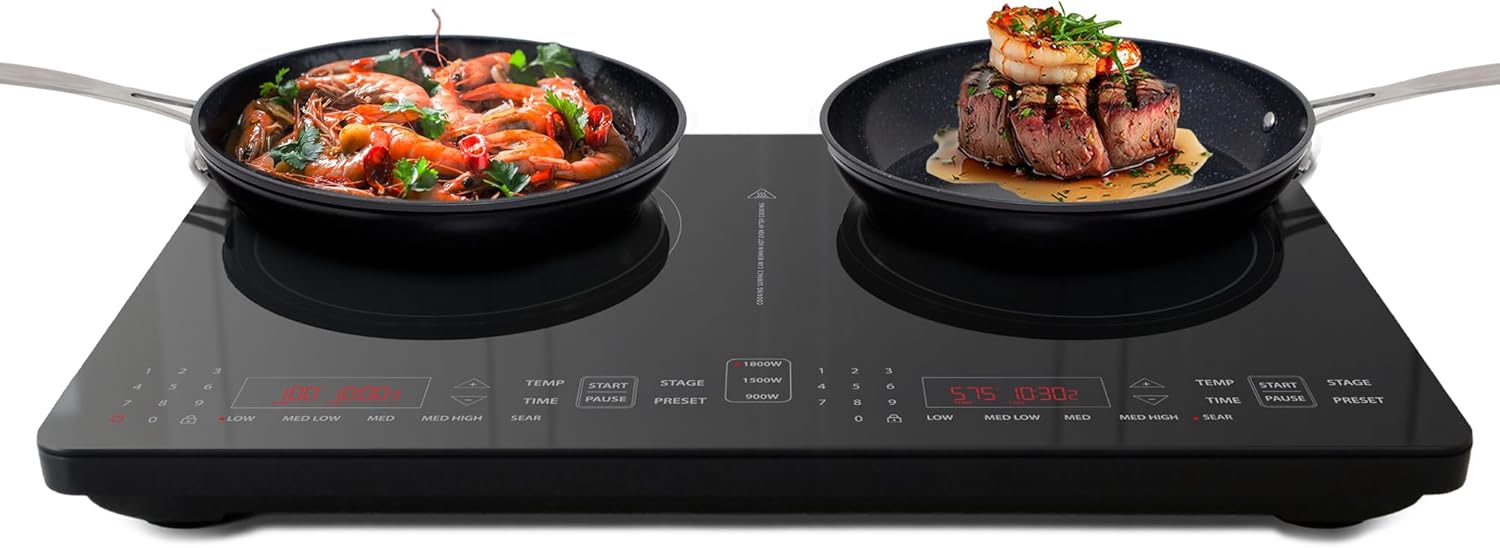
This review examines several popular single and double burner induction cooktops available on the market today. By looking closely at their physical dimensions, wattage limits, temperature ranges, control interfaces, and built-in safety mechanisms, you can easily determine which countertop unit fits your specific daily cooking routines and spatial requirements without any unnecessary guesswork.
As an Amazon Associate, StacyLaughs earns from qualifying purchases.
Buying guide
Power Output and Electrical Requirements
When selecting a portable induction cooktop, understanding power output and electrical compatibility is essential for safe operation. Most residential countertop burners operate on standard 120-volt household circuits drawing up to 15 amps, providing a maximum output of 1800 watts. This wattage level ensures rapid heating and boiling capabilities comparable to traditional kitchen stoves.
Buyers should verify their kitchen electrical setup before plugging in high-wattage appliances to avoid tripping household breakers. Single-burner units distribute their full electrical capacity to one heating zone, whereas double-burner models share available wattage dynamically between surfaces. Reviewing these electrical specifications helps maintain consistent cooking performance without overloading standard wall outlets during heavy meal preparation tasks.
Cookware Compatibility and Material Requirements
Induction cooking relies entirely on electromagnetic energy transfer, which means standard aluminum, copper, or glass pots will not function unless they feature a reactive magnetic bottom. Compatible materials include cast iron, enameled steel, and stainless steel with an integrated magnetic plate. Testing your existing cookware with a simple household magnet helps determine whether your current pots and pans work on an induction surface.
Manufacturers often specify minimum and maximum base diameters to ensure proper contact with the internal induction coil. Using undersized cookware can trigger automatic safety shut-off systems, while oversized pans may experience uneven heating around their outer edges. Selecting appropriately sized magnetic cookware guarantees efficient energy transfer and prevents error messages from interrupting your cooking process.
Control Interfaces and Temperature Precision
Countertop induction burners utilize various control interface designs, ranging from tactile push buttons to smooth touch-sensitive glass panels. Touch interfaces create a continuous surface that prevents food debris from lodging in crevices, simplifying routine cleanup after cooking messy meals. Digital displays provide clear visibility of active settings, allowing users to monitor adjustments closely during meal preparation.
Temperature precision varies by model, with some units offering simple tiered settings while others provide fine adjustments in five-degree increments. Having multiple power and temperature levels allows home cooks to transition smoothly from gentle chocolate melting to aggressive searing. Evaluating how finely a cooktop controls heat helps match the appliance to specific culinary tasks requiring steady, unfluctuating temperatures.
Safety Mechanisms and Automatic Sensors
Built-in safety features are crucial components of portable induction cooktops due to their rapid heating capabilities and high electrical usage. Common safeguards include automatic pan detection sensors that shut the heating element off within seconds if compatible cookware is removed from the glass surface. Child safety locks prevent accidental button presses from altering active cooking times or temperature levels during family meal preparation.
Residual heat indicators remain illuminated after cooking to warn users that the ceramic glass panel is still hot to the touch, reducing burn risks. Diagnostic error messaging systems also alert operators to electrical irregularities or compatibility issues before internal components sustain damage. Prioritizing these safety mechanisms ensures a secure cooking environment in dorm rooms, RVs, and compact apartments.
Dimensions, Weight, and Spatial Footprint
Physical dimensions and weight dictate how easily a portable induction cooktop can be stored in cabinets or transported between locations. Single-burner models generally weigh between five and seven pounds with compact footprints, making them simple to lift and stow away after use. Double-burner units offer expanded cooking capacity but require significantly more permanent counter space and weigh considerably more.
Assessing available storage space helps determine whether a lightweight single burner or a heavier dual-zone cooktop fits your lifestyle. Shoppers with limited kitchen storage benefit from slender, lightweight models that slide easily into narrow shelves or cabinets. Matching the physical size of the appliance to your available kitchen space prevents countertop clutter and ensures comfortable daily handling.
Timers and Automated Preset Cooking Modes
Integrated timers and preset cooking functions add convenience by automating routine tasks like boiling water, simmering stews, or keeping food warm. Digital timers range from short countdown increments up to extensive multi-hour durations, accommodating everything from quick side dishes to longer-running recipes. Preset buttons provide instant access to preprogrammed temperature and power combinations designed for specific cooking methods.
Evaluating the maximum timer duration ensures the appliance accommodates recipes requiring extended cooking times without requiring manual resets. While preset menus simplify operation for novice users, manual adjustments offer greater flexibility for specialized cooking techniques. Reviewing these software features helps select a cooktop that matches your preferred cooking style and time management needs.
Frequently asked questions
What types of cookware work on a portable induction cooktop?
Induction cooktops require cookware with a magnetic bottom to function properly, as they use electromagnetic fields to generate heat directly within the pan. Compatible materials include cast iron, enameled iron, and stainless steel featuring a magnetic stainless steel base. Traditional glass, copper, and pure aluminum pots will not heat up unless they include a bonded magnetic layer on the bottom. You can easily test your current cookware by holding a refrigerator magnet against the base; if it sticks securely, the pan is compatible with induction heating surfaces.
Why does my induction cooktop make a high-pitched sound?
High-pitched sounds during induction cooking are common and typically originate from the cookware rather than the appliance itself. When using multi-layered clad cookware where several metals are sandwiched together, the rapid electromagnetic energy vibrations can cause microscopic flexing that produces an audible hum or whistle. This sound often becomes more noticeable at higher power levels. Choosing heavy-gauge, single-material pans or thicker bottom construction can help minimize this noise, though it is a normal physical characteristic of electromagnetic energy transfer interacting with metal layers.
Can I use an extension cord with my portable induction cooktop?
Using an extension cord with a high-wattage portable induction cooktop is generally discouraged by manufacturers to prevent electrical hazards and voltage drops. These appliances draw up to 1800 watts and require a stable, direct connection to a standard 120-volt wall outlet to operate safely at full capacity. Plugging a high-draw appliance into an extension cord or power strip can cause the cord to overheat or trip household circuit breakers. Always plug the cooktop directly into a dedicated wall receptacle to ensure proper electrical performance and safety.
How do I clean and maintain the ceramic glass surface?
Cleaning a ceramic glass induction surface requires allowing the cooktop to cool down completely before applying any cleaning solutions or cloths. You should wipe away everyday spills and food splatters using a damp cloth or sponge with a mild cleaner designed for glass surfaces. Avoid using abrasive scrubbing pads, harsh chemicals, or metal utensils that can scratch or damage the ceramic glass panel. Following manufacturer maintenance guidelines ensures the cooktop surface remains clean, clear, and protected against premature wear over time.
What is the purpose of the auto-pan detection feature?
The auto-pan detection feature is an essential safety and energy-saving mechanism built into modern induction cooktops. When you remove compatible cookware from the active heating zone, or if no pan is placed on the burner initially, the internal sensor detects the absence of a magnetic load. The unit will then automatically shut off after a brief period, usually around sixty seconds. This prevents the appliance from continuing to draw power into an empty heating zone, reducing energy waste and minimizing potential safety hazards in busy kitchens.