Appliances · Buying Guide
Best Toaster For Gas Stove Models For Outdoor Camping Gear
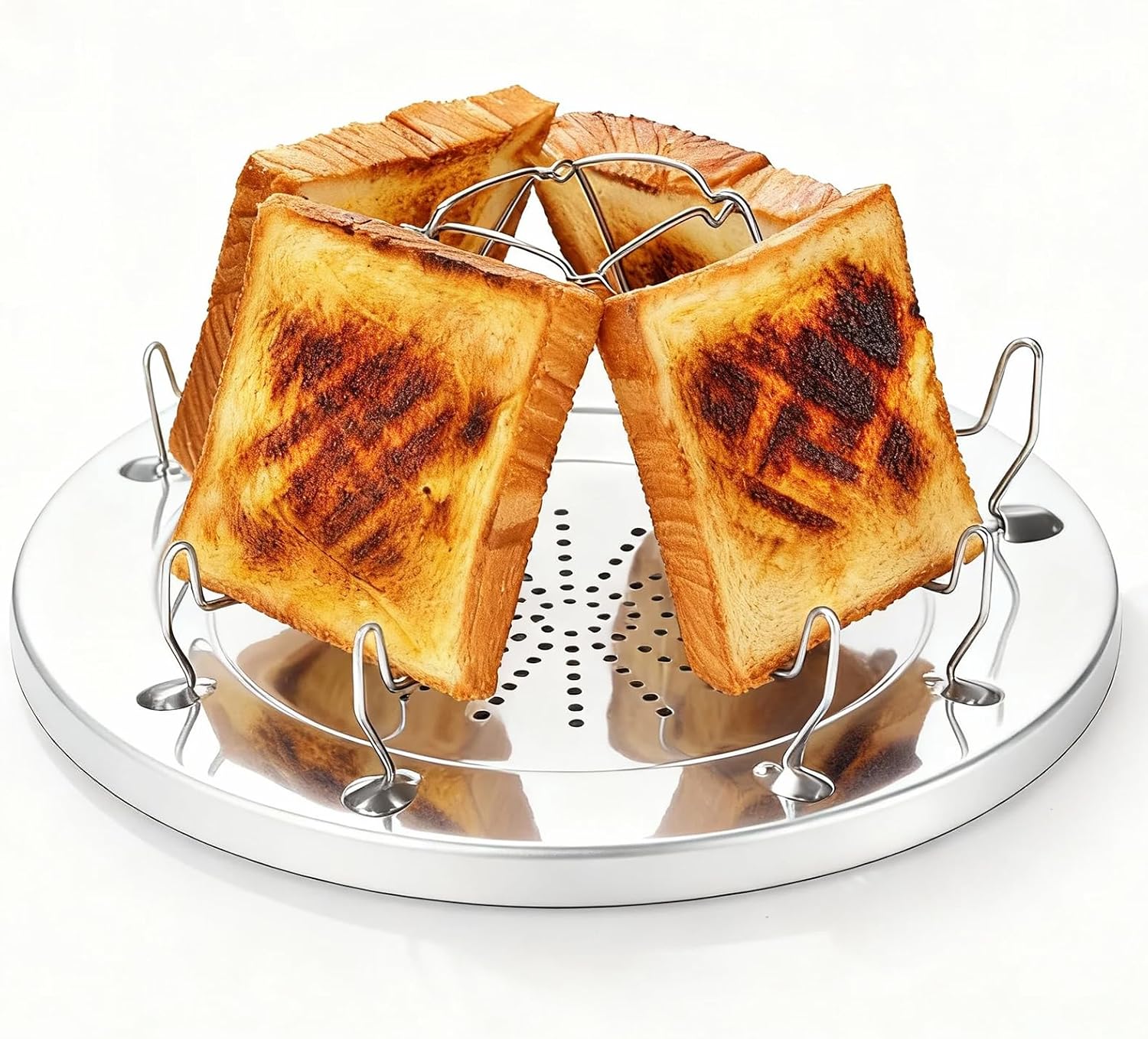
Finding a reliable toaster for gas stove setups can transform outdoor breakfasts during camping trips, RV travels, and backpacking excursions. Stovetop toaster racks use direct flame heat to crisp multiple bread slices efficiently without requiring electrical power outlets. These metal wire frames sit directly on top of burners to deliver even warmth.
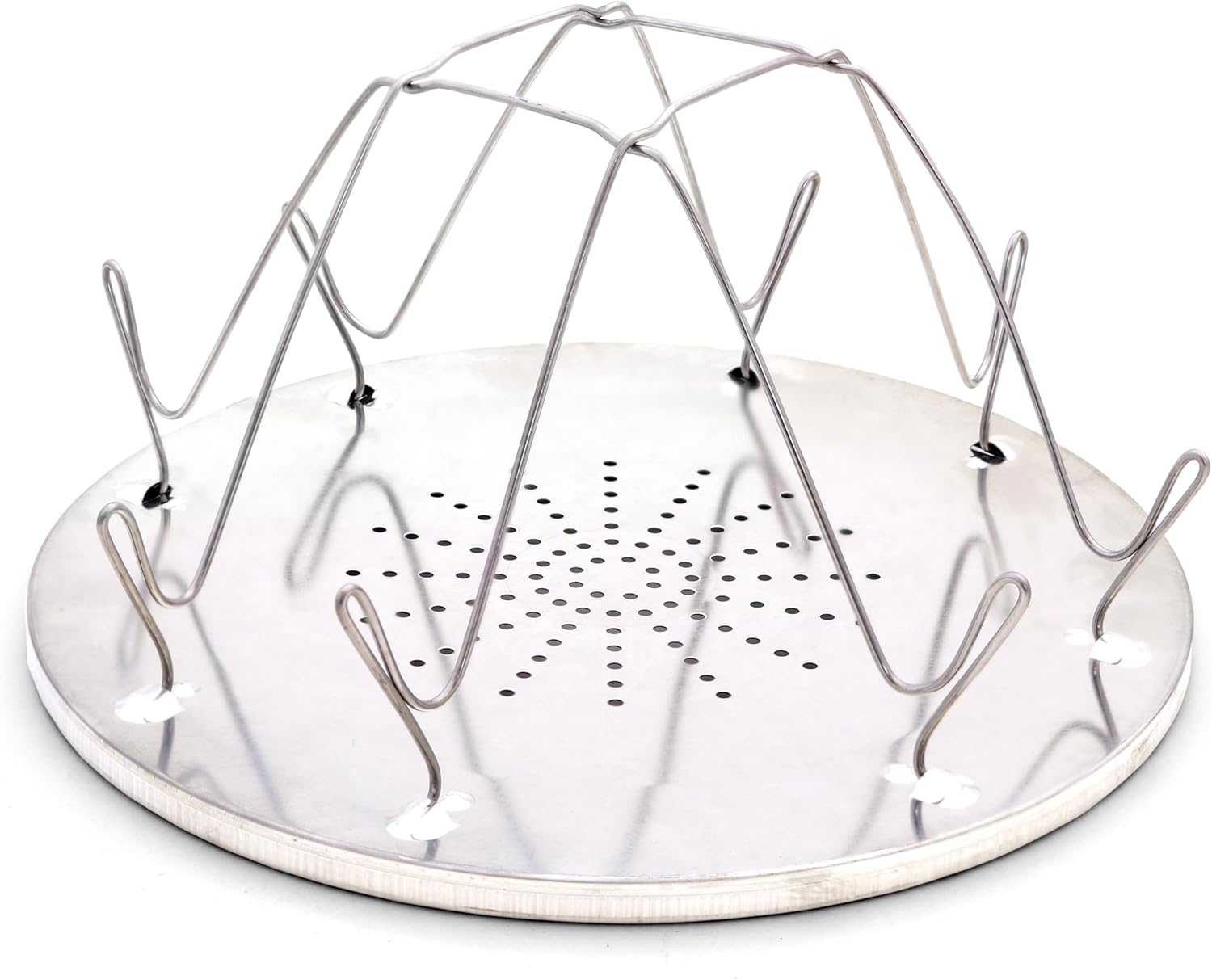
These compact cooking accessories typically fold flat for effortless packing, making them indispensable additions to your portable kitchen equipment. Understanding material differences, slice capacities, and burner compatibility helps you select the right model for your next wilderness adventure or picnic gathering. Whether you need a lightweight alloy build or a stainless steel rack, options vary.
As an Amazon Associate, StacyLaughs earns from qualifying purchases.
Buying guide
Material Construction and Durability
Choosing the right toaster for gas stove use begins with evaluating material composition. Stainless steel and alloy steel options offer resistance to rust and corrosion, which proves essential when cooking in damp outdoor environments. These metals endure repeated high-temperature exposure over open flames without degrading. Tinplate models provide a lightweight build but require care against moisture.
Selecting durable materials ensures your cooking equipment withstands the rigors of transportation inside camping gear bins. Sturdy wire frames maintain structural integrity even when subjected to bumpy car rides or trail hikes. Reviewing the metal finish helps you anticipate how easily food debris will wash away after breakfast. Robust construction guarantees long-term reliability for off-grid cooking adventures.
Slice Capacity and Batch Size
Slice capacity dictates how quickly you can prepare morning meals for yourself or a group of fellow travelers. Four-slice toaster models allow you to toast multiple pieces of bread simultaneously, reducing wait times around camp kitchens. This higher capacity works well for families or larger groups sharing breakfast outdoors. Smaller single-slice or compact units suit solo backpackers.
Evaluating your typical group size prevents you from packing oversized equipment or struggling to feed multiple people with a tiny rack. Four-slice designs distribute heat across a broader surface, requiring compatible burner dimensions. Matching your slice requirements to your travel style ensures efficient meal preparation. Balancing capacity with your packing space keeps your outdoor kitchen setup streamlined.
Portability and Folding Design
Portability remains a primary factor when selecting a toaster for gas stove cooking during mobile excursions like backpacking, hiking, or RV camping. Models featuring folding structures pack down flat to save precious space inside crowded gear bags. A flat-folding design prevents the wire rack from snagging on other equipment while you travel down trails or highways.
Lightweight builds further enhance portability by ensuring your cooking accessories add minimal weight to your overall pack load. Unfolding and assembling the frame should take only seconds without requiring complex tools or loose fasteners. Prioritizing a compact, foldable silhouette allows you to slide your toaster into narrow storage pockets easily, keeping your travel kit organized.
Burner Compatibility and Fit
Burner compatibility determines how stably your toaster rests over various gas flame sources, including portable camping stoves, propane burners, and RV stovetops. A well-designed toast rack features a base size that aligns securely with standard burner grates to prevent wobbling or tipping. Checking the footprint dimensions ensures the unit fits your specific cooking appliance.
Using a toaster that matches your stove setup guarantees even heat transfer to every bread slice resting on the wire frame. Mismatched sizes can cause uneven toasting or instability when placing heavy pieces of bread or English muffins on the rack. Selecting a versatile frame that accommodates different burner types maximizes your cooking flexibility across diverse outdoor environments.
Heat Distribution and Performance
Efficient heat distribution is essential for achieving evenly crisped toast when relying on direct gas flames instead of electric heating elements. Perforated bases and open wire frames help channel warmth uniformly across all loaded bread slices. This design ensures your food browns consistently without burning in isolated spots, delivering a satisfying texture for morning meals.
High-temperature exposure can cause metal frames to change surface color over time, which is a normal characteristic of stainless steel and alloy materials. Understanding how your toaster interacts with open flames helps you manage cooking intensity effectively. Consistent heat flow relies on proper burner centering, allowing you to produce golden brown toast efficiently during every outdoor trip.
Cleaning and Maintenance Ease
Cleaning a toaster for gas stove use requires considering the metal finish and wire configuration. Non-stick coatings help prevent burnt bread crumbs from sticking stubbornly to the frame, simplifying post-meal cleanup routines at the campsite. Stainless steel and tinplate surfaces can be wiped down or washed, provided you use gentle tools to protect specialized coatings.
Regular maintenance prevents food residue buildup and preserves the condition of your toaster between outdoor adventures. Storing the dry unit in a clean gear bag protects it from moisture and debris. Choosing a model with accessible wire gaps makes scrubbing away stray crumbs much easier, ensuring your cooking gear remains ready for your next trip.
Frequently asked questions
How do stovetop toasters work on a gas stove?
Stovetop toasters operate by resting directly over a gas flame or camp stove burner. The metal base or perforated wire rack absorbs and redirects the direct heat upward toward the bread slices placed against the angled sides. This process mimics traditional electric appliances by exposing the bread to consistent radiant heat, crisping the outer surfaces. Because you rely on an open flame rather than internal heating coils, monitoring the heat level helps prevent burning your breakfast.
Can I use a camping toaster on a household gas stove?
Yes, many camping toasters featuring stainless steel or tinplate construction can be used on indoor household gas stovetops as well as outdoor portable burners. You simply place the folding rack directly over the gas grate, ensuring it sits balanced and stable before turning on the flame. However, you should check the dimensions of your specific burner grates to confirm the toaster base fits securely without tipping over during the toasting process.
How do I clean and maintain a stainless steel camp toaster?
Cleaning a stainless steel camp toaster involves washing the wire frame with mild soap and water after the unit has cooled down completely from high-temperature cooking use. If your model features a non-stick finish, you should avoid abrasive scouring pads that could scratch or damage the coating. Thoroughly drying the metal components before folding and packing them into your gear bag prevents moisture accumulation, protecting the frame against unnecessary rust and keeping it ready.
Why does the metal color change on my camp stove toaster?
Metal color change during high-temperature use is a normal characteristic of stainless steel and alloy materials exposed directly to open camp stove flames. The intense heat causes thermal oxidation on the surface of the wire frame, altering its original appearance without impacting the structural integrity or daily function of the toaster. You can safely continue using your equipment for outdoor cooking sessions even after noticeable discoloration occurs on the metal framework over time.
Will a four-slice toaster fit on a single-burner backpacking stove?
A four-slice toaster generally features a wider frame measuring between seven and nine inches across, which can create stability challenges when placed on a small single-burner backpacking stove. While it is physically possible to balance the unit on some compact burners, these larger frames are typically designed to sit more securely on dual-burner camp stoves or wide propane setups. If you utilize a micro-stove for solo hiking, checking the base dimensions carefully prevents tipping risks during meal preparation.