Appliances · Buying Guide
Best Top Rated Soup Maker Choices for Quick Home Meals
Finding the right kitchen appliance to streamline your daily cooking routine can completely transform how you prepare warm meals, fresh plant-based beverages, and blended treats. Investing in a dedicated top rated soup maker removes much of the manual oversight traditionally required when simmering and puréeing ingredients on a standard stovetop.
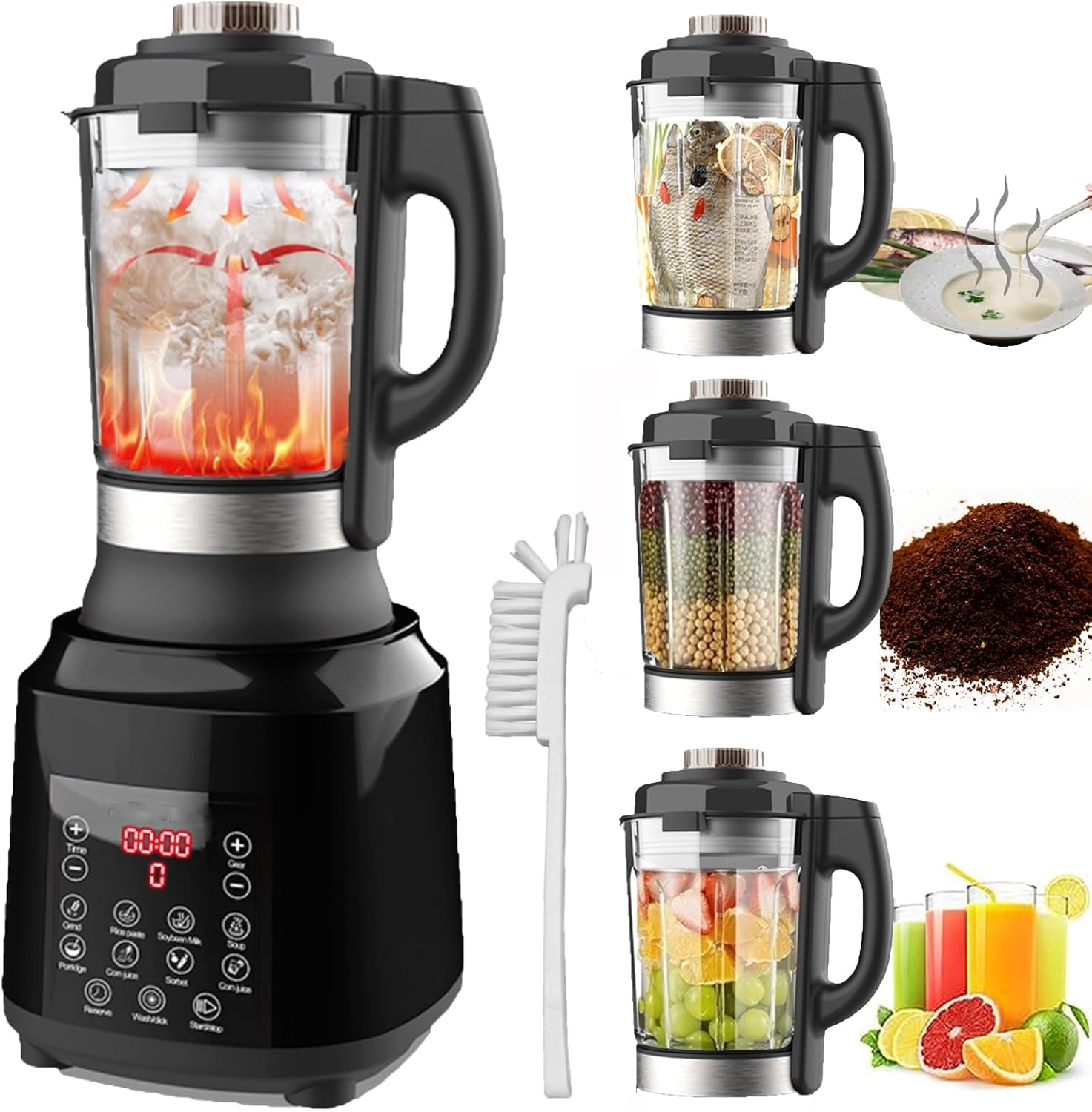
These multi-functional machines combine integrated heating elements with powerful motorized blades, allowing you to go from raw vegetables to a finished, steaming bowl in a single jar. Carefully evaluating available options based on bowl capacity, automated preset programs, and physical countertop dimensions ensures you select a reliable model that fits comfortably into your daily routine.
As an Amazon Associate, StacyLaughs earns from qualifying purchases.
Buying guide
Evaluating Capacity and Serving Sizes
When shopping for a quality soup maker, matching the bowl capacity to your household size is a critical first step. Appliances typically range from compact 1.6-liter options suitable for single portions and small families up to larger 2-liter jars or 59-ounce pitchers designed for serving multiple guests at once without constant refilling.
Carefully consider how many portions you regularly prepare during a standard week of cooking. Selecting a jar that is too small requires running multiple batches for dinner, while an oversized unit takes up unnecessary counter space when making light snacks. Balance your typical meal volume against available kitchen storage to find the best match.
Understanding Motor Wattage and Heating Power
Cooking performance heavily depends on the wattage specifications of both the internal motor and the integrated heating element. Lower-wattage heating elements around 800 watts handle gentle simmering and basic soup cooking, while robust 1500-watt motors incorporate high-speed blades capable of crushing solid ice cubes and pulverizing tough frozen ingredients with total precision.
If you plan to make smooth purees and thick nut butters alongside hot soups, prioritize higher motor power. Conversely, if your primary goal is simply cooking soft vegetables into chunky stews, standard heating wattages provide sufficient daily performance without requiring heavy electrical loads in your standard kitchen workspace environment.
Material Selection and Jar Construction
Material construction influences both durability and daily usability in the kitchen. Stainless steel jars offer robust, break-resistant longevity and sleek modern aesthetics, whereas borosilicate glass jars provide thermal-shock resistance and allow you to monitor blending progress visually. Plastic components often reduce overall unit weight but require careful review based on personal preference.
Assess how each material aligns with your cooking habits. Glass provides clear visibility and handles high heat cleanly, while stainless steel withstands heavy daily wear without chipping. Selecting the right jar material ensures your appliance remains a dependable part of your culinary routine for years without unexpected structural compromises.
Preset Programs and Control Interfaces
Modern appliances feature automated preset programs that remove guesswork from meal preparation. Common options include smooth soup, chunky stew, nut milk, baby food, and smoothie settings. One-touch digital panels let you initiate specialized cycles instantly, reducing the need to manually monitor time and temperature during busy weekday cooking sessions.
Evaluate which presets match your dietary habits and lifestyle needs. If you frequently make plant-based milks or homemade baby purees, look for dedicated modes that automate those specific tasks. Choosing a model with a wide range of presets maximizes versatility across different breakfast, lunch, and dinner recipes.
Maintenance and Self-Cleaning Features
Keeping your appliance clean is essential for food safety and long-term performance. Many modern soup makers include built-in self-cleaning modes that heat water to dissolve sticky residue automatically. Others require manual hand washing or feature removable blades and dishwasher-safe components to simplify post-cooking maintenance routines after preparing thick recipes.
Review manufacturer care instructions before purchasing to understand what cleaning effort is involved. Automated heated wash cycles save considerable time when dealing with blended nut butter or cheese sauces. Selecting a machine with convenient cleaning features ensures you spend less time scrubbing and more time enjoying meals.
Countertop Footprint and Cabinet Clearance
Physical dimensions and weight dictate how easily an appliance integrates into your kitchen layout. Some high-power glass blenders stand over eighteen inches tall and weigh eleven pounds, requiring careful vertical cabinet clearance and permanent countertop placement. More compact stainless steel cookers fit easily under standard low cabinetry.
Always measure your available countertop space and overhead clearance before ordering any heavy kitchen machine. Ensuring proper physical fit prevents storage frustration and guarantees safe operation. Matching the appliance dimensions to your kitchen layout makes daily setup and storage effortless for every cooking session.
Frequently asked questions
What is the difference between smooth and chunky soup settings?
Smooth soup settings automatically blend and heat ingredients into a velvety purée, which is ideal for creamy bisques, vegetable veloutés, and baby food. In contrast, chunky soup settings apply gentle heating and intermittent stirring while preserving visible vegetable and meat pieces without blending them down completely. This allows home cooks to enjoy rustic, hearty stews with satisfying textures. Selecting the right mode depends entirely on your personal recipe preference for each meal.
Can a soup maker also prepare cold beverages like smoothies?
Many advanced countertop soup makers and multi-functional blending machines support both hot and cold operation. Models equipped with high-speed motors and dedicated cold program settings can effortlessly crush ice cubes, blend frozen fruits, and mix refreshing smoothies or milkshakes. However, users should always verify whether a specific model supports unheated blending before attempting cold recipes, as some dedicated soup cookers focus strictly on heated cooking cycles and lack cold-blending capabilities.
How do self-cleaning modes work on these appliances?
Built-in self-cleaning cycles are designed to simplify post-cooking maintenance by using automated heating and high-speed agitation. Users simply add water and a small amount of soap to the jar, then select the auto-clean program. The machine heats the water—often reaching temperatures around one hundred fifty-eight degrees Fahrenheit—and pulses the blades to rapidly dissolve sticky food residue, jam, or sauce remnants without requiring intensive manual scrubbing.
Are glass jars better than stainless steel for making soup?
Glass and stainless steel jars each offer distinct practical advantages depending on your cooking priorities. Borosilicate glass jars provide thermal-shock resistance and allow complete visual visibility, letting you monitor blending and cooking progress directly. Stainless steel jars offer rugged, break-resistant durability and sleek modern aesthetics, making them excellent for robust family use without concerns about accidental drops. Your choice depends on whether you prioritize visual monitoring or rugged exterior longevity.
Do I need to soak or prep ingredients before cooking?
Ingredient preparation requirements vary based on the specific recipe and the machine's motor power. Hard vegetables should generally be chopped into manageable pieces to ensure even cooking and smooth blending results. When making plant-based milks from raw nuts or grains, certain models benefit from pre-soaking depending on user preference, though many feature powerful blades that break down cell walls efficiently. Always consult the manufacturer instruction manual for recommended ingredient sizing guidelines.