Appliances · Buying Guide
Best Portable Induction Cooktop Options for Everyday Kitchens
Using an induction cooktop offers an efficient and modern way to prepare daily meals across various living spaces, ranging from compact studio apartments to bustling family kitchens. These countertop appliances transfer magnetic energy directly into compatible cookware, heating pots rapidly while keeping the surrounding surface notably cooler than traditional electric or gas heating elements.
Selecting the right model involves carefully balancing maximum power settings, physical dimensions, and zone configurations to match your specific cooking routines. Whether you need a lightweight single burner for an RV or a versatile dual-zone layout for complex multi-dish dinners, understanding core technical specifications helps ensure a truly practical addition to your daily countertop setup.
As an Amazon Associate, StacyLaughs earns from qualifying purchases.
Buying guide
Power Levels and Wattage Control
Evaluating power levels is essential when choosing an induction cooktop for daily kitchen tasks. Models typically offer multiple preset wattage settings ranging from low simmers to high-heat boiling capabilities. Understanding how power distributes across burners helps determine whether a device can handle rapid boiling while maintaining delicate temperature control for sensitive culinary sauces.
Some advanced units feature granular temperature adjustments or dynamic wattage sharing that automatically shifts energy distribution between active cooking zones. Selecting an appliance with adequate power tiers ensures you can easily execute diverse recipes without experiencing unexpected temperature drops during multi-step meal preparation processes in your home.
Single Versus Dual Burner Layouts
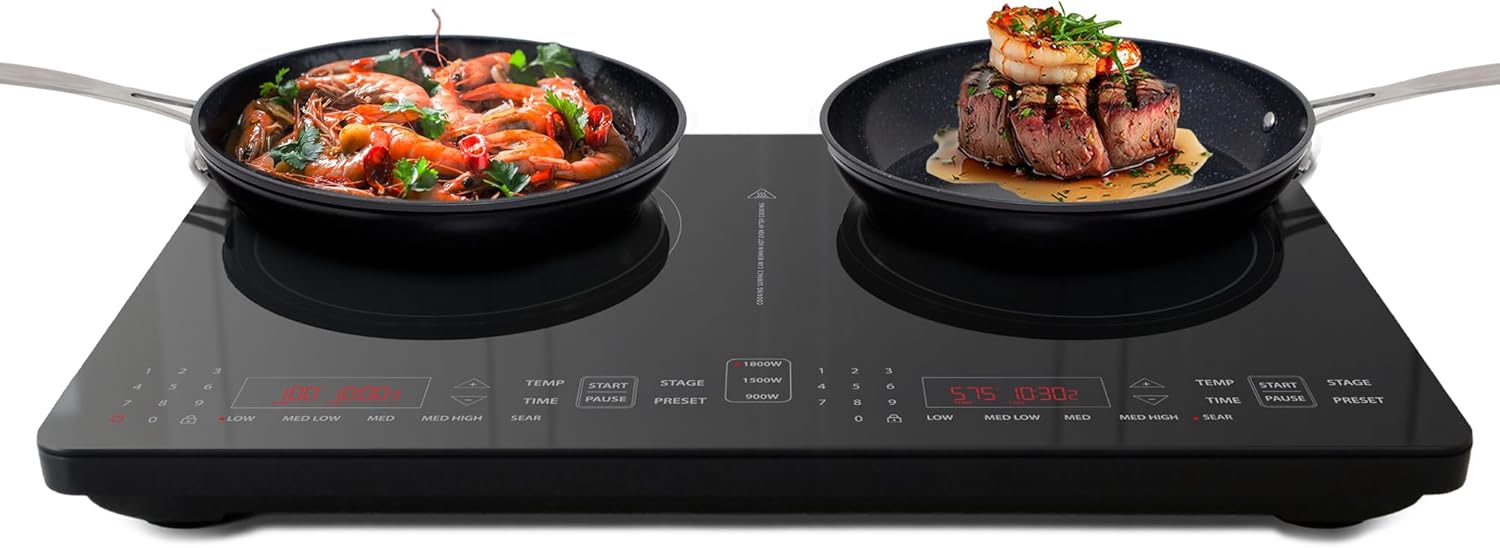
Determining whether a single or dual burner layout fits your routine depends largely on available counter space and meal complexity. Single burners offer maximum portability and a compact footprint, making them ideal for RVs, dormitories, or auxiliary cooking stations. Dual burner models expand your capacity by letting you prepare multiple dishes simultaneously.
However, multi-burner appliances often share a total maximum electrical wattage cap, meaning high-heat operations on both sides may be dynamically split. Assessing your typical cooking habits ensures you choose a layout that balances multitasking convenience with sufficient power delivery for heavy-duty boiling and frying tasks.
Compatible Cookware Requirements
Induction cooktops rely entirely on magnetic energy transfer, meaning traditional aluminum, copper, or glass pots will not function unless they feature specialized magnetic bases. Buyers must verify their existing cookware collection using a simple magnet test before purchasing an induction burner. Manufacturers also specify minimum and maximum pan diameter limits to ensure proper sensor detection.
Using correctly sized pots with flat magnetic bottoms prevents automatic safety shut-off triggers and ensures efficient, even heating across the cooking surface. Transitioning to compatible cookware is a fundamental step that guarantees optimal performance, prevents error codes from displaying on touch panels, and maximizes energy efficiency during daily meal preparation.
Physical Dimensions and Portability
Physical dimensions and weight heavily influence how easily a portable induction cooktop can be stored, transported, or integrated into a permanent kitchen setup. Lightweight models under ten pounds offer great flexibility for users who need to stow appliances away inside cabinets after every meal. Larger dual-burner units require dedicated counter space.
Measuring your available kitchen counter or storage area beforehand prevents spatial mismatch issues. While compact footprints excel in tight spaces like studio apartments or cabins, wider cooktops provide the necessary surface area to accommodate larger pans without crowding adjacent burners or restricting comfortable hand access.
Safety Mechanisms and Child Locks
Modern induction cooktops incorporate various built-in safety mechanisms designed to protect users during operation. Child safety locks prevent accidental touches from altering active cooking timers or power settings, which is particularly important in busy households. Automatic pan detection systems shut off heating elements promptly when compatible cookware is removed from the glass surface.
Additional safeguards such as overheat protection, auto-pause functions, and residual heat indicators further enhance daily operational security. Prioritizing models equipped with these comprehensive protective features ensures peace of mind, minimizing risks associated with unattended pots or accidental surface activation during busy meal preparation routines.
Surface Materials and Cleaning
Surface materials directly impact both the durability and the routine maintenance requirements of an induction cooktop. Most appliances feature ceramic glass or tempered glass surfaces that provide a smooth, flat platform for cooking. These materials withstand high operational temperatures while offering resistance against thermal shock during heavy boiling and frying tasks.
Cleaning these smooth glass surfaces typically requires little more than wiping down with a damp cloth after the burner has cooled completely. Selecting a cooktop with a seamless edge design helps prevent food particles and liquid spills from collecting in crevices, ensuring effortless maintenance over years of regular use.
Frequently asked questions
Can I use any type of cookware on an induction cooktop?
No, induction cooktops require cookware with a magnetic bottom, such as cast iron, enameled iron, or magnetic stainless steel. Traditional aluminum, glass, or copper pots and pans will not heat up because induction technology relies on a magnetic field to transfer energy directly into the cookware. You can easily test your existing pots by placing a small refrigerator magnet against the bottom; if it sticks securely, the cookware is compatible. Using non-magnetic pans will trigger automatic shut-off systems or error codes on the digital display panel.
Why is my induction burner making a high-pitched sound?
High-pitched or buzzing sounds during operation are usually caused by the cookware rather than the induction burner itself. When pots and pans are constructed with multiple layers of metal sandwiched together, the rapid magnetic energy transfer can cause vibrations in the metals. This phenomenon is entirely normal and depends heavily on the specific pots you are using. Switching to heavy-gauge single-layer cast iron or high-quality induction-ready stainless steel cookware often minimizes or eliminates these operational noises entirely during meal preparation.
What happens if I remove the pan while cooking?
Most portable induction cooktops are equipped with an automatic pan detection feature. If you lift or remove your cookware from the glass surface during operation, the appliance will sense the absence of a magnetic load. It will typically sound an alert, display an error code, or automatically shut off after a brief countdown period, usually lasting around sixty seconds. This safety mechanism prevents the burner from running continuously while empty, conserving energy and protecting the internal electronic components from overheating.
How do I clean and maintain a glass induction cooktop?
Cleaning an induction cooktop is straightforward because the surrounding glass surface stays relatively cool compared to traditional electric coils, preventing food from burning onto the panel. You must always allow the cooktop to cool down completely before attempting any maintenance. Simply wipe the smooth ceramic or tempered glass surface with a damp cloth or sponge. For stubborn residue, manufacturers recommend using appropriate non-abrasive cleaners designed specifically for glass cooktops, avoiding harsh scouring pads that could scratch the finish.
Can dual-burner induction cooktops run at maximum power simultaneously?
Many portable double induction cooktops share a total maximum electrical wattage supply, such as eighteen hundred watts total for standard 120-volt household outlets. When both burners operate at the same time, the internal system dynamically splits or limits the power output between the two zones rather than delivering full maximum wattage to both simultaneously. While you can still boil water on one side and simmer on the other, users should review individual manufacturer specifications regarding power sharing before attempting high-heat dual cooking.