Appliances · Buying Guide
Best Value Rice Cooker Options for Every Kitchen Setup
Finding a reliable appliance to prepare grains shouldn't require guesswork or overspending. Modern models combine automated heating systems with versatile digital controls to handle everything from daily white rice to multi-grain batches. Whether you need a compact device for single-person meals or a large capacity unit for family gatherings, understanding core features helps you select the right fit without paying for unnecessary extras.
Different cookers offer varying wattage, inner pot materials, and specialized preset programs. By evaluating physical dimensions alongside your typical batch sizes, you can find a machine that integrates smoothly into your kitchen counter space. We examine five distinct options to highlight how their specific design traits match everyday cooking routines.
As an Amazon Associate, StacyLaughs earns from qualifying purchases.
Buying guide
Evaluating Cooking Capacity and Batch Sizes
Choosing the correct capacity is the foundation of selecting an effective grain cooker for your home. Manufacturers measure capacity in cups, distinguishing between uncooked grains and final cooked volume. A compact two-quart unit typically handles three cups of raw ingredients, yielding around six cups of cooked portions. This size accommodates single individuals or couples comfortably without cluttering kitchen counters.
Larger households requiring substantial meal batches should look toward ten-cup models that accommodate family-sized servings and entertaining needs. Matching the physical capacity to your typical household consumption prevents wasted ingredients and ensures efficient energy usage during every cooking cycle. Always check whether the supplied measuring cup matches the manufacturer's specific sizing guidelines before measuring dry rice.
Understanding Heating Technology Options
Modern electric cookers employ distinct heating architectures to achieve optimal grain textures. Traditional units rely primarily on a single bottom heating plate, which performs adequately for basic white rice preparations. Advanced models incorporate fuzzy logic microprocessors alongside multi-dimensional heating elements located in the base, sides, and lid. This comprehensive thermal distribution surrounds the inner pot to eliminate cold spots.
Microprocessor-controlled appliances dynamically adjust internal temperatures throughout the cooking duration, compensating for varying water-to-grain ratios. This technological integration prevents scorching and ensures consistent fluffiness across difficult varieties like brown rice or mixed grains. While advanced heating systems increase appliance complexity, they remove the guesswork from achieving restaurant-quality texture profiles in your own kitchen environment.
Assessing Preset Programs and Versatility
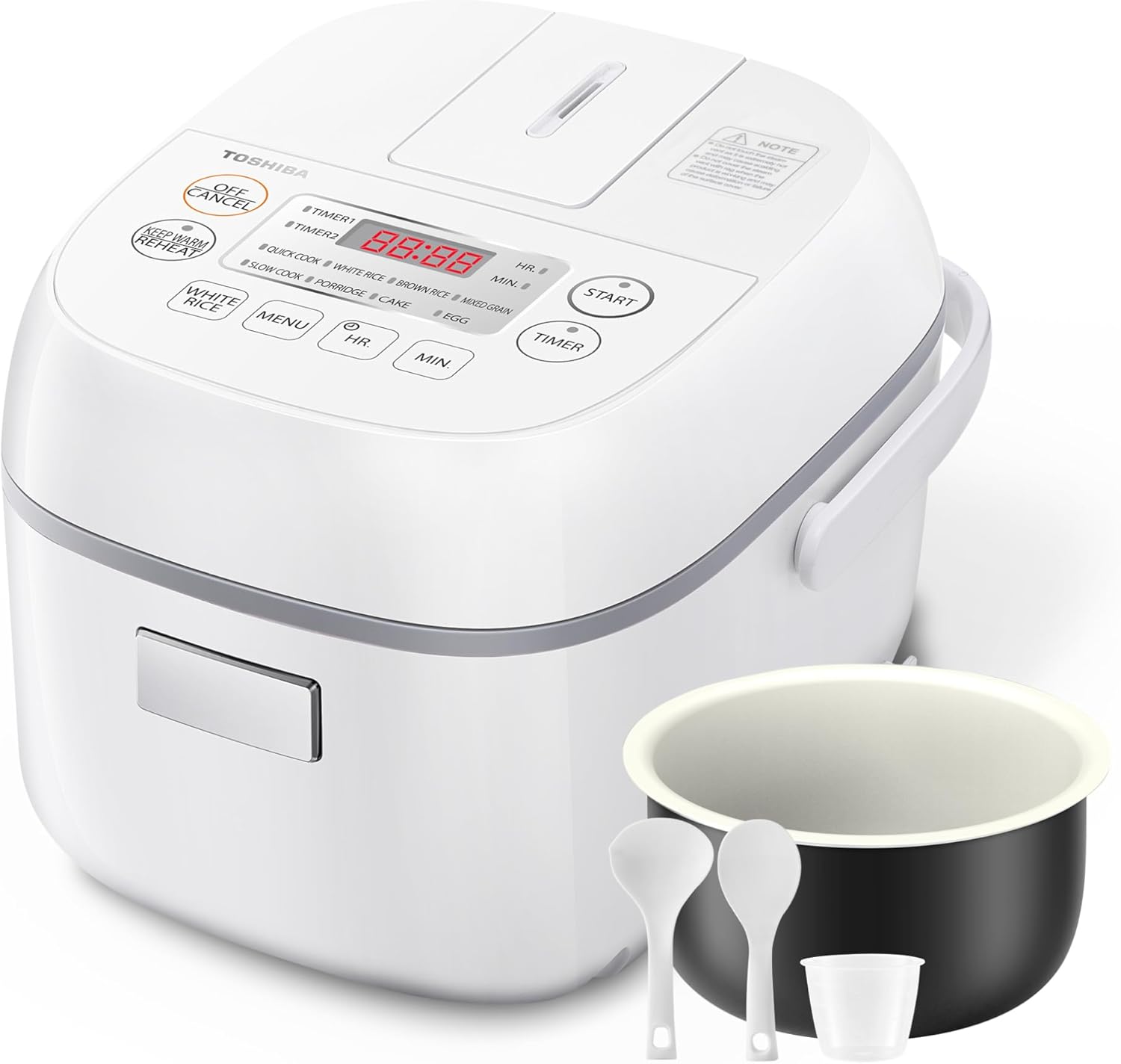
Contemporary kitchen appliances have evolved far beyond basic white rice preparation. Many modern units feature digital control panels offering dedicated presets for brown rice, quinoa, steel-cut oats, slow-cooked soups, and steamed vegetables. Evaluating your regular dietary habits helps determine whether an eighteen-function machine or a simpler six-program device best serves your daily cooking requirements.
Specialized modes streamline complex recipes by automatically modifying time and temperature profiles for specific ingredients. If you frequently bake cakes, prepare porridge, or steam proteins concurrently with grains, selecting a multi-functional cooker adds tremendous utility. However, buyers who primarily prepare basic white rice may find extensive program lists redundant, making straightforward digital controls a more practical choice.
Reviewing Maintenance and Cleaning Convenience
Keeping your cooking appliance sanitary requires evaluating its inner pot materials and detachable components. Non-stick coatings and ceramic inner pots prevent starches from baking onto the surface, simplifying post-meal cleanup. Models featuring dishwasher-safe accessories reduce manual sink scrubbing, saving valuable time after preparing sticky grains or starchy porridges.
Inspecting the lid design and steam vent construction is equally important for maintaining long-term kitchen hygiene. Detachable inner lids and removable steam vents allow you to wipe away trapped moisture and food residue easily without awkward angles. Always review manufacturer cleaning guidance to protect specialized ceramic or non-stick coatings against abrasive sponges, preserving surface integrity over years of regular use.
Examining Counter Space and Physical Dimensions
Kitchen layout constraints dictate the physical footprint an appliance can occupy comfortably. High-capacity ten-cup machines feature broad diameters and tall profiles, requiring dedicated counter space or wide cabinet storage. Conversely, compact two-quart or three-cup mini cookers slide easily into tight pantry spaces, making them ideal for apartments, dormitories, or minimalist kitchen counters.
Measuring your available vertical clearance under upper cabinets ensures the steam vent operates safely without causing moisture damage to wooden surfaces. Factoring in cord length and plug placement prevents awkward stretching across kitchen work zones. Prioritizing physical dimensions alongside cooking capacity ensures your new appliance integrates seamlessly into your daily kitchen workflow without creating clutter.
Utilizing Delay Timers and Keep-Warm Modes
Time management features transform a basic heating pot into a flexible meal-planning assistant. Programmable delay timers ranging from twelve to twenty-four hours allow you to load ingredients in advance and schedule completion times to match your schedule. This capability ensures hot grains are ready immediately when you walk through the door after a long workday.
Automatic keep-warm modes maintain serving temperatures safely once the primary cooking cycle finishes, preventing food from cooling down before mealtime. While some models maintain warmth for twelve hours, others extend protection up to twenty-four hours. Evaluating how long you require food to remain warm helps select a machine that matches your household's dining habits and scheduling needs.
Frequently asked questions
Can I cook different grain types in a standard digital cooker?
Many modern digital cookers include dedicated preset functions specifically calibrated for brown rice, quinoa, oats, and mixed grains. These specialized programs adjust internal heating profiles and cycle durations to accommodate the unique moisture absorption rates of alternative grains. However, if your chosen appliance features only basic white rice settings without extra modes, you may need to manually adjust liquid ratios or monitor cooking cycles closely to achieve proper texture without scorching delicate ingredients during preparation, ensuring consistent results across diverse meal plans.
How do I clean a non-stick or ceramic inner pot safely?
Protecting the interior coating of your cooking pot requires adhering closely to manufacturer care instructions. Always allow the pot to cool completely before washing to prevent thermal shock warping. Use soft sponges or microfiber cloths along with mild dish soap, avoiding abrasive scrubbing pads or metal utensils that can scratch non-stick or ceramic surfaces. If accessories are dishwasher-safe according to specifications, you can place them in the machine, but hand washing delicate non-stick interiors often extends their operational lifespan significantly.
What does fuzzy logic technology do in a rice cooker?
Advanced fuzzy logic technology integrates a built-in microcomputer chip that monitors and adjusts internal temperatures and cooking times dynamically throughout the cycle. Unlike basic thermostats that simply turn heating elements on or off at fixed intervals, fuzzy logic systems respond to real-time thermal changes inside the pot. This intelligent adjustment compensates for variations in water temperature and grain quantities, ensuring fluffy, evenly cooked results and preventing boiled-over messes or scorched bottoms across different recipes.
What is the difference between uncooked and cooked cup capacities?
Understanding cup measurements prevents overflowing mistakes during meal preparation. Manufacturers typically state capacity in terms of uncooked dry grains, using the specific measuring cup included with the appliance. Once water is added and heat is applied, grains absorb moisture and expand significantly, usually doubling or tripling in volume. A three-cup uncooked capacity generally yields between six to eight cups of cooked food, matching the dietary needs of small to medium-sized households without producing excess waste.
When should I use a delay timer feature?
The programmable delay timer feature provides exceptional scheduling flexibility for busy individuals and families. You can measure your dry grains and water into the inner pot hours before mealtime, then program the timer to complete the cooking cycle precisely when you plan to eat. This capability is ideal for morning oatmeal preparation or having warm rice ready immediately upon arriving home from work. Always verify that perishable animal proteins are not left sitting at room temperature inside the pot during long delay cycles.