Appliances · Buying Guide
Best wolf induction cooktop 30 alternatives for modern kitchen layouts
Selecting the right thirty-inch cooking surface requires careful evaluation of total power output, electrical requirements, and your daily family meal preparation routines. Whether you are replacing an older model or designing a fresh kitchen layout, understanding how magnetic heating zones operate will streamline your cooking process and improve overall meal preparation efficiency.
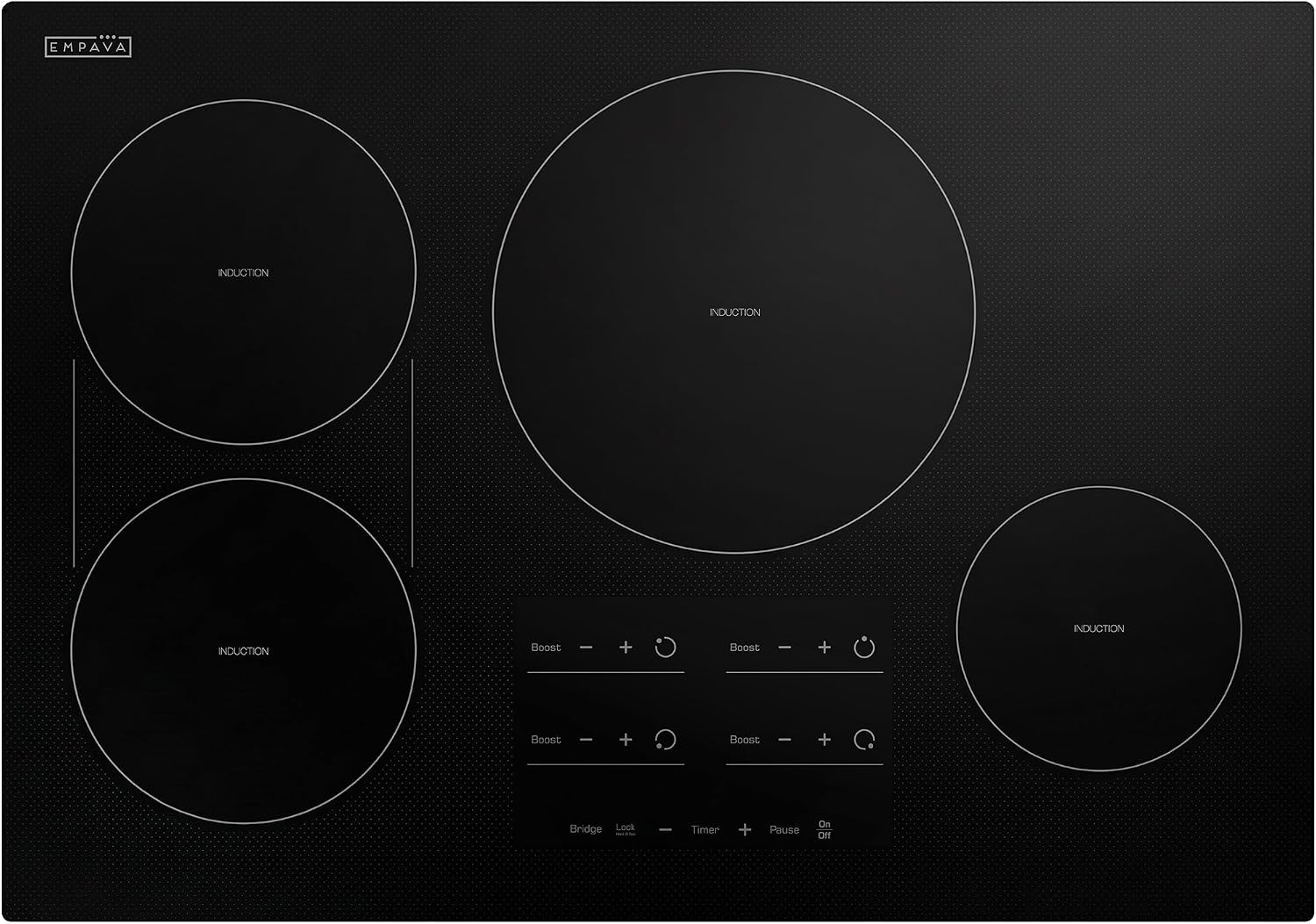
Modern built-in cooktops offer varied configurations, ranging from standard four-burner setups to integrated ventilation systems and flexible bridge zones designed for oversized pans and griddles. Reviewing these technical specifications helps ensure your selected appliance matches your cabinetry dimensions, existing cookware collection, and heavy-duty electrical wiring capabilities without unexpected complications during professional setup.
As an Amazon Associate, StacyLaughs earns from qualifying purchases.
Buying guide
Total Power Output and Electrical Requirements
Assessing total power output is essential when selecting a high-capacity induction cooktop for your home kitchen. Models ranging from sixty-six hundred to ninety-two hundred watts require robust electrical infrastructure to perform reliably. Most units operate on a specialized two-hundred-twenty to two-hundred-forty-volt hardwired connection rather than a standard household plug, meaning standard kitchen outlets will not suffice.
Reviewing your home electrical panel capacity before purchasing prevents unexpected delays during setup. Qualified electricians should handle the wiring, circuit breakers, and grounding to ensure completely safe operation under heavy loads. Understanding these power demands helps you avoid circuit overloads while running multiple high-heat burners simultaneously for family meals.
Zone Configurations and Bridge Elements
Evaluating the number and arrangement of heating zones dictates how efficiently you can prepare multi-dish meals every day. Standard four-burner layouts suit everyday family cooking, while five-zone models accommodate larger gatherings by offering extra space for concurrent simmering and boiling tasks. Many modern cooktops include power-sharing technology that divides electricity between paired elements, which directly affects simultaneous high-heat usage across burners.
Bridge elements or syncing functions allow you to connect adjacent burners into a single extended heating area with ease. This versatile feature proves especially valuable when using long griddles, rectangular grill pans, or oversized roasting dishes. Consider your typical cookware shapes and sizing needs before choosing between a traditional independent multi-zone layout and a bridge-capable surface.
Glass Surface Types and Maintenance
The cooktop surface material impacts both daily aesthetics and long-term maintenance routines in busy kitchens. Most induction appliances feature smooth vitroceramic or crystal glass surfaces that provide a sleek, modern appearance. Traditional glossy finishes offer a classic look, while specialized textured matte glass surfaces help minimize visible fingerprints and reduce annoying overhead glare.
Cleaning these glass surfaces requires allowing the appliance to cool down completely before wiping with a soft cloth and mild detergent. Abrasive scouring pads should be avoided to prevent scratching the delicate ceramic finish. Lifting pots rather than sliding them across the glass also preserves the pristine condition of your cooktop over years of regular use.
Safety Controls and Operating Safeguards
Modern induction cooktops incorporate numerous safety features designed to protect users during everyday meal preparation tasks. Control locks prevent children from accidentally altering temperature settings or turning heating elements on unexpectedly. Residual heat indicators remain illuminated while the glass surface remains hot to the touch, reducing the risk of accidental burns after cooking finishes and pots are removed.
Automatic shut-off mechanisms intervene if a burner is left operating unattended for an extended period. Additional safeguards like water-overflow detection and smart pan sensors ensure the cooktop turns off automatically if a pot boils over or is lifted away entirely. These protective attributes offer valuable peace of mind during busy multi-tasking cooking sessions in family kitchens.
Cookware Compatibility and Magnetic Testing
Induction cooking relies on electromagnetic fields to heat cookware directly rather than warming the surrounding glass surface. Consequently, your existing pots and pans must feature a flat magnetic base to function properly with the magnetic coils. Materials like aluminum, copper, glass, ceramic, and non-magnetic stainless steel will not generate heat unless paired with a magnetic induction disc.
Performing a simple magnetic test before purchasing or upgrading your cooktop prevents frustrating compatibility issues in the kitchen. If a household magnet clings firmly to the bottom of your cookware, it is fully induction compatible. Verifying your pot collection ahead of time ensures a smooth transition to your new built-in surface without unexpected equipment replacement expenses.
Installation Dimensions and Cutout Precision
Accurate measurement of your kitchen countertop cutout dimensions is critical for a successful drop-in or built-in appliance installation. Even slight discrepancies between the appliance housing size and the countertop opening can prevent a secure, flush fit. Reviewing manufacturer installation diagrams carefully helps avoid costly modifications to existing wooden cabinetry or stone countertops.
Pay careful attention to unit thickness and under-counter clearance requirements, especially for models incorporating built-in downdraft ventilation fan systems. Ensuring adequate airflow space around the internal electronic components prevents overheating and promotes long-term appliance reliability. Taking precise measurements before ordering guarantees your chosen cooktop integrates seamlessly into your established kitchen workspace.
Frequently asked questions
What type of cookware works with these 30-inch induction cooktops?
Induction cooktops require cookware with a flat, magnetic base to interact with the electromagnetic heating coils underneath the glass surface. Common compatible materials include cast iron, enameled iron, and magnetic stainless steel. Materials such as aluminum, copper, glass, ceramic, and non-magnetic stainless steel will not heat up unless they feature a specialized induction-ready magnetic bottom layer. You can easily test your current pots and pans by checking if a household magnet sticks firmly to their underside.
Can I install a 30-inch induction cooktop using a standard household wall plug?
Most thirty-inch induction cooktops cannot use a standard household wall plug because they require a high-voltage electrical connection. These appliances typically demand a dedicated two-hundred-twenty to two-hundred-forty-volt hardwired installation drawing between thirty and forty amps. Due to these heavy electrical requirements and local building codes, professional installation by a qualified electrician is strongly recommended to ensure proper circuit breaker pairing, safe grounding, and reliable performance without risking electrical overloads in your home.
How does a bridge zone function on an induction cooktop?
A bridge zone function allows you to link two adjacent individual cooking elements together electronically to create one large, continuous heating area. This feature is particularly useful when you want to use oversized cookware, rectangular griddles, or long grill pans that exceed the dimensions of a single circular burner. By connecting the zones, heat is distributed evenly across the extended cookware base, making it easier to prepare pancakes, grilled sandwiches, and large family meals.
What is the purpose of power sharing between cooking zones?
Power sharing is an internal energy-management system used on many multi-zone induction cooktops to distribute the total rated electrical output safely between paired elements. When you activate a high-power boost setting on one burner, the cooktop may temporarily reduce the electrical wattage supplied to its paired companion zone. This engineering design prevents the appliance from exceeding its maximum electrical capacity, though it means users cannot run maximum boost simultaneously on every single paired zone.
How should I clean and maintain the glass-ceramic cooktop surface?
Cleaning a glass-ceramic or matte glass cooktop requires letting the appliance cool down completely after use to prevent thermal shock or burns. Once cooled, wipe the surface using a soft cloth or sponge with mild dish detergent or specialized ceramic cleaner. Avoid harsh abrasive scouring pads, steel wool, or harsh chemical sprays that can scratch the glass finish. Additionally, lifting pots rather than sliding them across the cooktop helps prevent surface abrasions over time.